
Google DeepMind Files Patent for an AI That Shows Its Work Step by Step
Google DeepMind has filed for an AI that has to write down every step of its thinking, like a student told to show their work. If a car decides not to drive toward a lake, you could read exactly why.
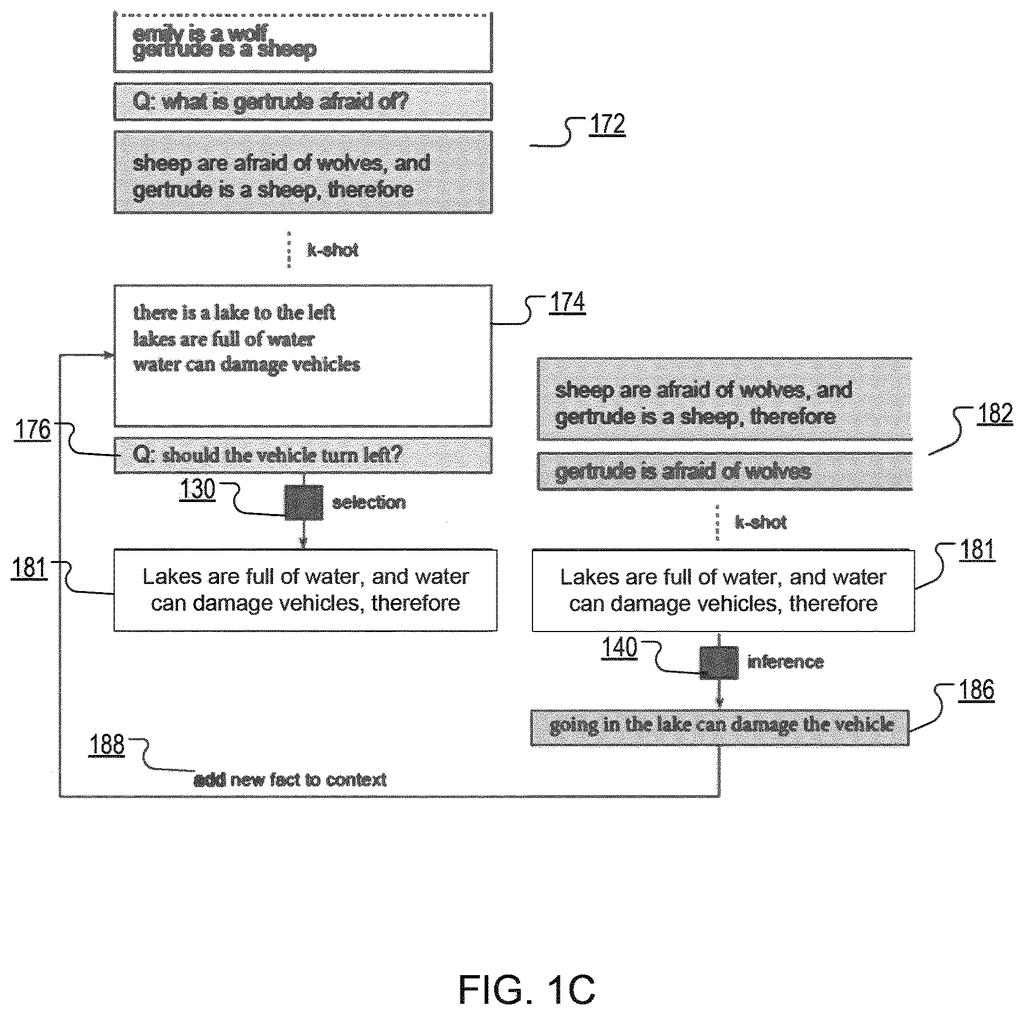
What DeepMind's show-your-work AI actually does
A self-driving car spots a lake to its left, and its software has to decide whether to turn that way. Most AI systems just spit out an answer, and you are left to trust it. Google DeepMind's filing tries to make the AI show its work.
The system keeps a list of plain-English facts and rules, like "there is a lake to the left" and "water can damage vehicles." It picks the few facts that matter, combines them into one new fact ("driving into the lake could damage the car"), and adds that to the list. Then it checks whether it now knows enough to answer the question. If not, it goes around again.
When it stops, you get the answer plus the trail of reasoning behind it, written in sentences a person can read. If it can't get to an answer, it says so instead of guessing.
processing a selection input comprising the context input and the query input using a selection neural network to generate a selection output for the update iteration that comprises one or more of the natural language statements from the context input …
Translation: The system picks out the most relevant rules and facts needed to answer the question.
How the AI picks facts, infers, and knows when to stop
The system takes two inputs: a pile of plain-English statements about the world (facts and rules) and a question. It then runs a loop, and each pass has three parts:
- Selection: one neural network (a software model trained on examples) picks a small handful of relevant statements.
- Inference: a second network sees only those picked statements, not the question or the rest of the pile, and writes one new fact that follows from them.
- Halting: a third check asks whether the new fact contains enough to answer the question.
If the answer is no, the new fact joins the pile and the loop runs again. If it hits a maximum number of passes without an answer, the system reports that the question was not answered. When it succeeds, the response can include a reasoning trace, the list of facts it derived along the way. The filing says all of these roles can be played by one language model (the text AI behind chatbots) given different prompts.
A second independent claim adds a beam search: the system keeps several candidate chains of reasoning alive at once, and a separate scoring network rates how likely each one is to be valid. Only the top few survive each round. Other claims cover turning camera or sensor readings into sentences so the system can help control a robot or vehicle.
… generating a response to a query input using a selection-inference neural network.
Translation: The AI answers questions by combining fact selection with logical reasoning steps.
Why a self-driving car's reasons matter to you
If an AI is going to help steer a car, run a factory or flag a computer break-in, you want more than an answer. You want to be able to ask why and get a reply in sentences. The filing says the saved reasoning trace could be shown to a user or stored for later review, for example to see why a machine received a certain command.
The same approach is described for tutoring software (explaining why an astronaut needs an oxygen backpack), search tools that show the logic behind an answer, and software testing. The "I don't know" option matters too, since a confident wrong answer is the worst outcome when safety is on the line.
That makes this Google's 25th filing we've tracked since May in the AI safety guardrails race, joining a fast filter for harmful responses and AI that critiques its own answers.
This one is all software. No new chip, sensor or gadget is needed, because the filing builds the whole thing from language models prompted to play different roles. That puts it closer to a shippable feature than most patents.
What has to exist first is the pipeline around it: a model that turns what a camera sees into sentences, and a trustworthy list of rules to reason from. The written explanation is only as good as those inputs. A car also has to react in a fraction of a second, while this loop runs several rounds of text generation.
The shortest route to a product is one of the lower-stakes settings the filing describes, such as a tutoring app or a search tool that shows the steps behind an answer. Driving is the long road. Still, an AI that admits it doesn't know is a feature most chatbots could use.
Get our take in your Top Stories
Liked this breakdown? Add Patentlyze as a preferred source on Google, and our plain-English take shows up more often in your Top Stories the next time Google patent news breaks.
There are more where this came from
We read every patent application Big Tech publishes and send you the ones worth knowing. Plain English, free, every week.
The drawings
7 drawing sheets from US 2026/0340353 A1 · click any drawing to enlarge


Want this weekly breakdown for a company we don't cover? Patentlyze Pro →
Be the first to weigh in