
Apple Files Patent for Cutting Headset Lag When Wireless Data Shows Up Late
Your headset's wireless chip naps to save battery, and that nap can make a late video frame arrive even later. Apple's patent teaches the device to spot when extra data is likely and stay awake just long enough to catch it.
What Apple's headset lag fix actually does
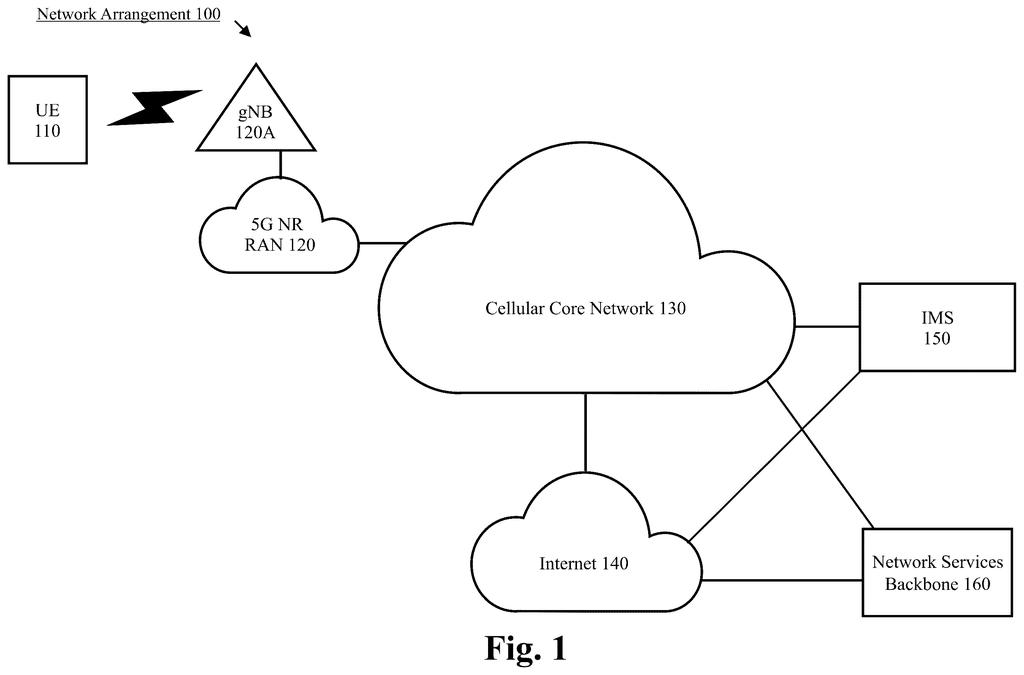
Imagine you're wearing a VR headset that streams video over 5G. To save battery, the wireless chip only listens for the cell tower at set times, a bit like checking your mailbox once a day. Now a video frame shows up at the tower a little late. The tower has to wait for your device's next listening window to announce it, and you see a stutter.
Apple's patent has your device watch for warning signs. If a delivery slot the tower reserved for you turns out to be empty, or the tower sends a short heads-up message, your device stays awake past its normal schedule to catch the extra delivery notice.
Once the notice arrives, the device goes back to sleep. A timer controls how long it stays up. You get less lag without keeping the radio running all the time.
… utilize an active mode of monitoring a physical downlink control channel (PDCCH) to receive a dynamic downlink resource assignment in response to determining that the condition relating to the one or more SPS occasions has occurred.
Translation: The device switches to active channel monitoring when scheduled wireless data arrives late.
How the device knows to stay awake for extra data
The filing starts from a quirk of 5G for extended reality (XR, the umbrella term for AR, VR and mixed reality). Video at 60, 90 or 120 frames per second produces a frame every 16.67, 11.11 or 8.33 milliseconds. The tower's repeating delivery slots, called semi-persistent scheduling (SPS, preset times the device already knows about), only support whole-millisecond spacing. Add random timing wobble (jitter) and frames of varying size, and the tower sometimes needs extra delivery time.
The tower announces that extra delivery on the physical downlink control channel (PDCCH, the channel where it posts scheduling notices). But the device is often asleep under connected discontinuous reception (cDRX, a repeating sleep and wake cycle), so the tower waits for the next wake window. That wait is the lag.
The patent has the device check for a condition tied to its SPS slots, then listen to the control channel outside its normal window. The filing describes several triggers:
- The slot looks empty, judged by the absence of demodulation reference signals (DMRS, a marker that comes with real data).
- A MAC control element (a small control message) arrives before or during the slot.
- A layer 1 or layer 2 signal (low-level control messages) arrives in the same window.
A timer sets how long the device stays awake, and a message can carry the timer value or tell the device to keep listening until the next wake window or pause its sleep cycle. The device returns to sleep once the notice arrives. The claims cover both the device side and the tower side.
Why this matters for 5G headsets and glasses
If you stream VR or AR over 5G, lag is what makes the experience annoying or even queasy. Apple's patent targets one source of it: the gap between when a video frame is ready at the tower and when your device is listening for it. Closing that gap could make cellular headsets and glasses feel more responsive without a bigger battery.
The filing says the idea fits other power-saving situations beyond XR, so phones with unevenly timed traffic could benefit too. It also covers the tower side, so carriers would need to support the signals. A patent application is not a product, and nothing in it says when or whether Apple devices would use the idea.
Apple's 620th filing we've tracked since May in our Apple coverage extends its 3D sensing work, building on smudge detection and denser dot layouts.
The cost here is battery. Every time your device stays awake outside its schedule, it burns power the sleep cycle was designed to save.
The design also bets on good guesses. If the empty-slot check misfires, the device wakes for nothing. If the tower's heads-up message comes late, you get the same lag as before. The timer limits the damage by sending the device back to sleep quickly.
That trade reads as worth making. Lag in a headset is something your body notices, and the patent wakes the device only when a late or oversized video frame makes extra data likely. It is narrow telecom plumbing and a sensible patch for a real problem.
Get our take in your Top Stories
Liked this breakdown? Add Patentlyze as a preferred source on Google, and our plain-English take shows up more often in your Top Stories the next time Apple patent news breaks.
There are more where this came from
We read every patent application Big Tech publishes and send you the ones worth knowing. Plain English, free, every week.
The drawings
9 drawing sheets from US 2026/0353381 A1 · click any drawing to enlarge


Show the other 1 sheets

Want this weekly breakdown for a company we don't cover? Patentlyze Pro →
Be the first to weigh in