
IBM Files Patent for Cars That Report the Loud Vehicle Next to Them
IBM's filing turns ordinary cars into roaming noise monitors that listen to the vehicle beside them, look up its repair records, and flag a worn muffler or tired brake pads.
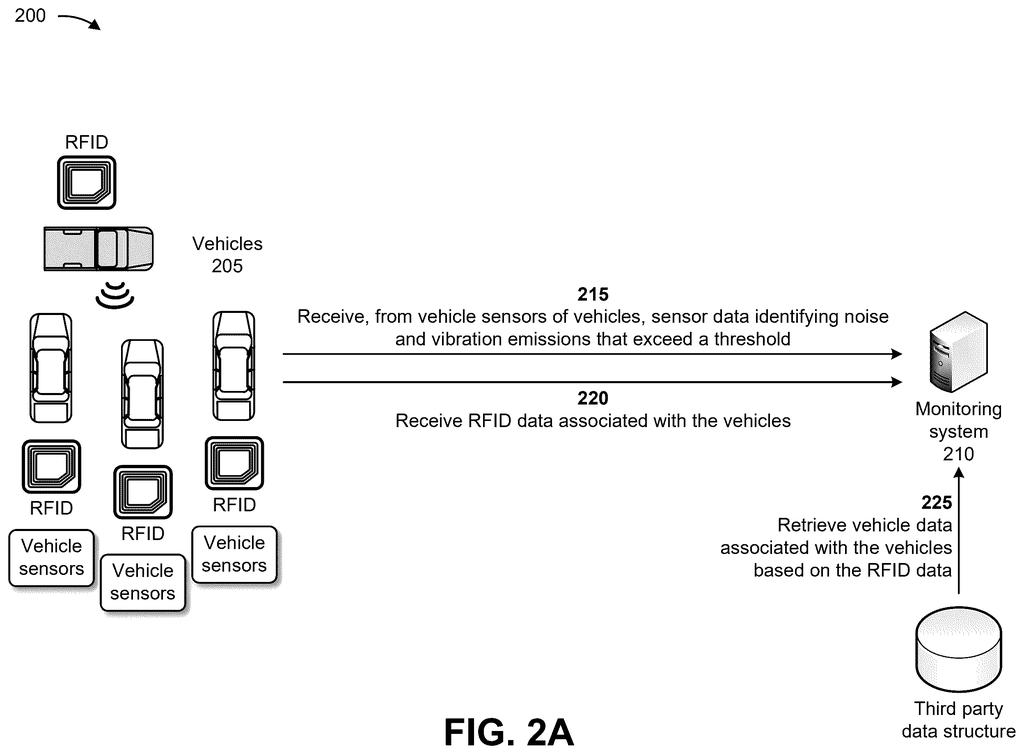
What IBM's noisy-car detector actually does
Ever laid awake at 2 a.m. while some loud vehicle rumbled past, with no way to know whose it was or why it was so loud? Cities have the same problem. Cameras and microphones on poles often can't tell which car in a busy street is the culprit.
IBM's patent application skips the poles. The cars themselves do the listening. Each vehicle carries sensors that notice unusually loud noise or shaking, and small radio tags broadcast a unique ID so other cars and a central system can tell who is who. That ID is then used to look up records like registration and repair history.
A computer program weighs all of it, picks the most likely noisy vehicle, and guesses the cause, such as an old muffler or worn brake pads. Then it sends an alert to the driver, a transportation authority, or a repair shop.
… utilizing a machine learning model to generate correlated data based on the sensor data, the RFID data, and the vehicle data and to identify a source vehicle of the noise and vibration emissions; …
Translation: AI is used to figure out which specific car is making all the racket.
How cars, tags and a database name the culprit
The setup has four moving parts. First, vehicle sensors: microphones, accelerometers (motion sensors that feel shaking), vibration sensors and inertial measurement units (chips that track a vehicle's tilt and movement). A car's onboard computer compares readings against a threshold, such as what a healthy vehicle should produce, and only reports readings that go over it.
Second, RFID tags (small devices that send a unique ID by radio signal) on each vehicle. Readers on other vehicles pick up the ID and learn who is nearby and where. The tag data can include make, model, components and maintenance history. The system uses it to query outside databases, like a motor vehicle department's, for registration, repair records and driver data.
Third, a machine learning model (software that learns patterns from examples) lines up the sound readings with the tag and vehicle data to pick the likely source and rank possible causes: an old muffler, wrong tires for the season, faulty engine parts or worn brake pads. In the filing's three-car example, some cars are parked, and the system compares the timing and strength of readings across vehicles to triangulate the noise.
Fourth, a Markov chain (a statistical method that updates the odds of several possible situations as new readings arrive) scores how likely the suspect is. If the score clears a bar, such as 0.8 out of 1 in the filing's example, an alert goes out. If not, the system moves on to the next suspect.
… output an alert notification identifying the source vehicle and the one or more causes of the noise and vibration emissions.
Translation: The system sends out a warning that names the loud car and explains why it is so noisy.
Who gets the alert and what drivers give up
For you as a driver, the most direct effect would be a heads-up that your car has become loud, along with a likely reason, like worn brake pads or an aging muffler, before a neighbor complains or a fine arrives. The alert can also go to a repair shop, so a mechanic could be looped in early.
For cities, the pitch is coverage. The filing says cameras and microphones on poles cost money to install, struggle to single out one car in traffic, and leave gaps in many areas. Using cars as moving sensors removes the need for that hardware. The catch is that the system depends on many cars carrying the sensors and tags, and on access to records such as owner names, which the alert can include. That makes privacy rules a big part of whether anything like this could work.
IBM's ninth filing since May in our self-driving sensing race watchlist builds on earlier work like one cross-checking camera and sensor data and one scoring drop-off safety.
Every engineering choice here trades privacy and coverage for accuracy. The system only works when many cars carry both listening sensors and radio tags, and the alert can carry an owner's name and contact details pulled from motor vehicle records.
The accuracy risk is the bigger cost. A microphone on a moving car hears everything around it, so picking out one culprit is a statistical guess. The filing's own example sets the confidence bar at 0.8 out of 1, which leaves room for mistakes. A wrong guess sent to a driver costs little, but one sent to a transportation authority could cost an innocent owner real trouble.
The trade is worth it for the gentle use, a heads-up to drivers and repair shops about a worn muffler. It gets much harder to defend once enforcement enters the picture.
Get our take in your Top Stories
Liked this breakdown? Add Patentlyze as a preferred source on Google, and our plain-English take shows up more often in your Top Stories the next time IBM patent news breaks.
There are more where this came from
We read every patent application Big Tech publishes and send you the ones worth knowing. Plain English, free, every week.
The drawings
9 drawing sheets from US 2026/0351055 A1 · click any drawing to enlarge


Show the other 1 sheets

Want this weekly breakdown for a company we don't cover? Patentlyze Pro →
Be the first to weigh in