
Sony Files Patent for Catching Players With Second Accounts by Their Button Habits
Your button-pressing habits could work like a fingerprint. A new Sony filing describes a system that uses them to spot players hiding behind a second account.
What Sony's button-habit account matching does
Imagine a top-ranked player who makes a brand-new account, then spends a week crushing beginners who have no idea what hit them. Anyone who has been on the losing end of that knows how it feels.
Sony's filing describes a way to catch it without asking for ID. The system watches how you use your console: how long you hold buttons, how fast you tap, how you move through menus, even what time of day you usually sit down to play. Those habits add up to a pattern that follows you from account to account.
If a new account's pattern matches an older one, the system raises an alert. It can also estimate your real skill from just a handful of matches, so you land in lobbies with players at your own level.
… determining whether the first set of one or more characteristics of the user interaction data match a second set of one or more characteristics of different user interaction data associated with a second player account interacting with the gaming platform …
Translation: The system checks if one player's habits match those of another account.
How Sony's AI turns controller habits into a profile
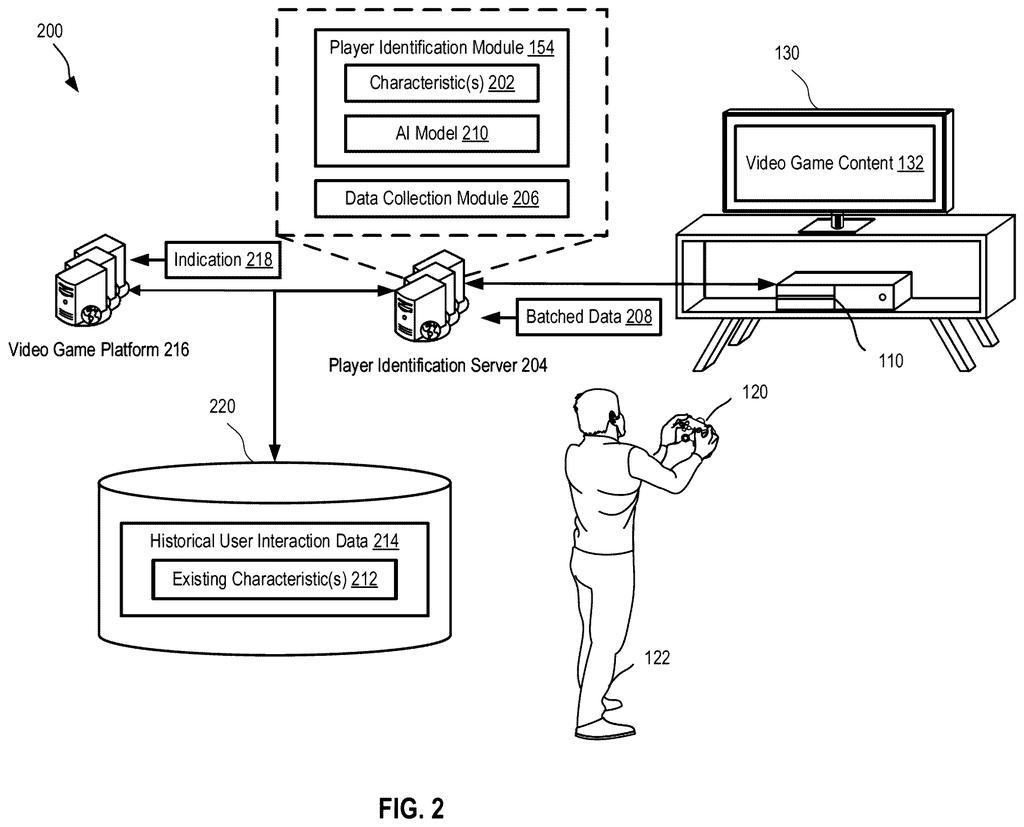
The system collects user interaction data, meaning the signals your controller sends as you play, move through menus, change settings, or shop in the console's store. It gathers this over days, weeks or months for each player account.
An AI model (a neural network, which is a program that learns patterns from examples) looks for repeated input patterns. Examples include how long you hold a button, the gaps between presses, or the exact route you take from the home screen into a game. It can also factor in the type of game, since people play differently in a shooter than in a team battle arena game. The bundle of patterns becomes that account's set of characteristics.
New sets are compared against stored ones using a similarity score. If the score passes a set threshold, the system calls it a match and sends an alert about an alternate account. The alert can go to the game's developer or to a fraud unit at the console maker, which could restrict ranked play or ban both accounts.
The AI can also estimate skill by comparing your patterns to historical play from people with known skill levels. If that estimate disagrees with the account's matchmaking rating (a score built from wins and losses), the rating gets updated, and a recommended skill tier is passed to the game's player-matching feature. The filing also says it can set aside odd data, such as matches thrown on purpose to lower a rating.
Based on determining that the first set of characteristics match the second set of characteristics, the computing system can provide an indication that the first set of characteristics related to the first player account match the second set of characteristics related to the second player account.
Translation: When the patterns match, the platform flags that both accounts belong to the same person.
Why this matters for ranked matches and shared logins
If you play online, this targets two things you probably have opinions about: experienced players who make a fresh account to stomp newcomers, and matches that feel lopsided from the first minute. The filing says about ten matches or fewer may be enough to judge skill, far faster than waiting for a win-loss rating to catch up. It could also flag shared accounts, or a stranger who has taken over yours, because their habits would differ from yours.
The tradeoff is that your controller habits act as a fingerprint tied to you across accounts. The filing mentions keeping data in region-specific databases to follow privacy rules, but says little else about consent. The examiner's first review rejected the claims as filed, which is routine at this stage and usually followed by amendments.
Sony's 696th filing in our Sony coverage since May follows patents like the hamburger-smell car ad and the battery-matching drone.
No new hardware is needed here. The controller, the menus, the player accounts and the cloud servers all exist already, so the shortest route to a product is a software update that watches how people press buttons.
The hard part is trust. The filing gives no accuracy numbers, and a wrong match could flag a sibling who borrowed your login or a friend who tried your controller. Before a platform bans anyone on this evidence, a human would need to check the alert, which fits the filing's habit of routing alerts to a fraud team.
The easiest first step is the skill-rating side. Moving a suspiciously good newcomer into tougher lobbies after a few matches costs nobody an account, so a mistake is cheap. That version should arrive long before any ban system, if either does.
Get our take in your Top Stories
Liked this breakdown? Add Patentlyze as a preferred source on Google, and our plain-English take shows up more often in your Top Stories the next time Sony patent news breaks.
There are more where this came from
We read every patent application Big Tech publishes and send you the ones worth knowing. Plain English, free, every week.
The drawings
7 drawing sheets from US 2026/0346147 A1 · click any drawing to enlarge


Want this weekly breakdown for a company we don't cover? Patentlyze Pro →
Be the first to weigh in