
Qualcomm Patents a Predictive Light-Control System for Motion-Tracked Devices
Qualcomm wants tracking cameras to stop reacting to where a device is — and start preparing for where it's going. The trick is predicting the device's next position and pre-adjusting its signal lights before the next frame even arrives.
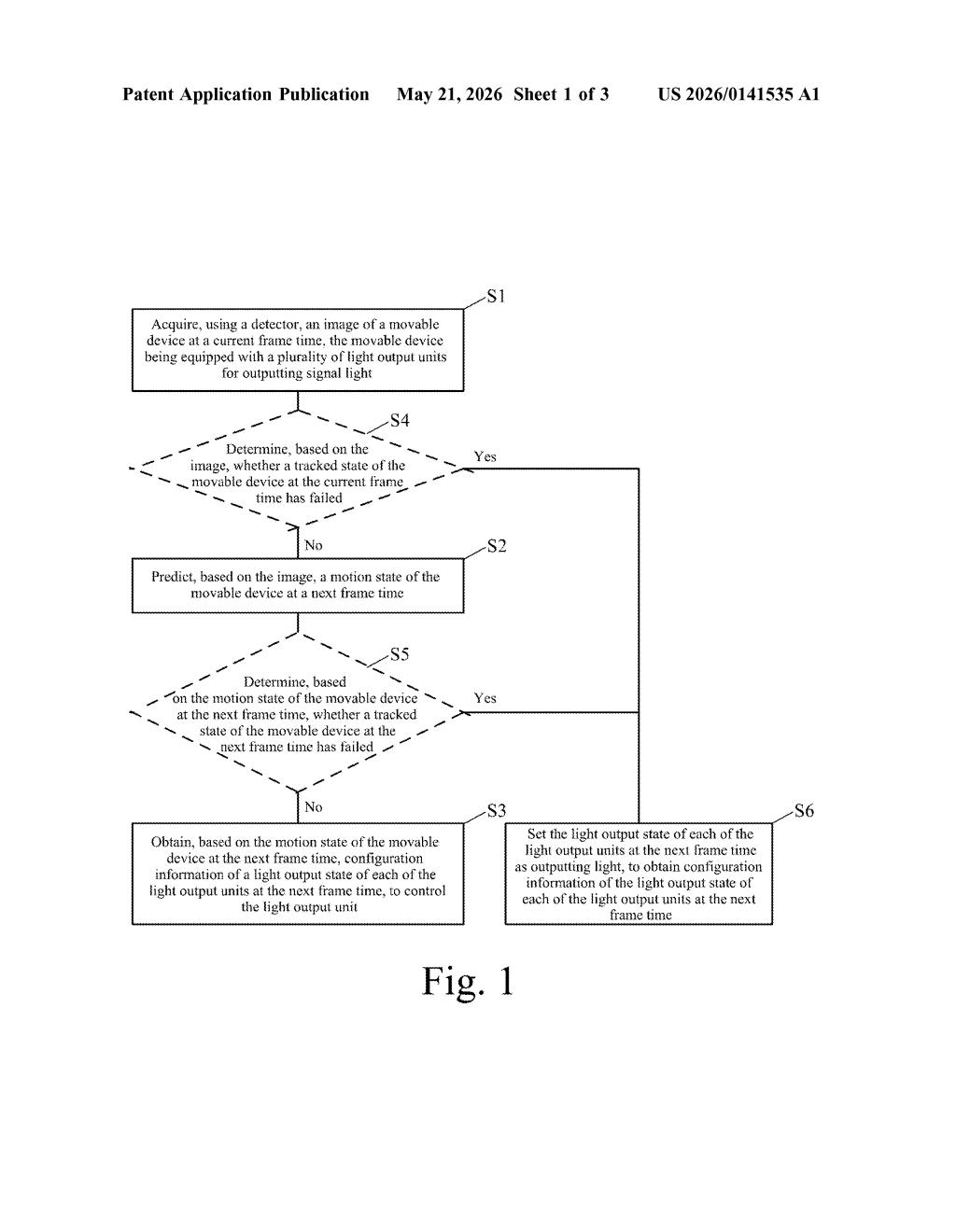
What Qualcomm's predictive tracking light system actually does
Imagine you're using a VR controller or a motion-tracked stylus. The system watching you has to constantly figure out where your device is by looking at the tiny lights on it. Right now, most systems react frame by frame — see the lights, figure out the position, repeat.
Qualcomm's patent flips that around. Instead of just reacting, a camera or detector watches your device, predicts where it'll be in the next frame, and then pre-configures which lights should be on, at what brightness, before that moment arrives. It's a bit like a stage lighting crew that reads the script and dims the spotlights before the actor walks offstage — not after.
The payoff is two-fold: tracking stays accurate because the lights are already optimized for the device's upcoming position, and power consumption drops because you're not blasting every light at full brightness all the time.
How the detector predicts motion and reconfigures signal lights
The system works in a three-step loop running at each video frame. First, a detector (a camera or optical sensor watching the movable device) captures an image of the device at the current frame time.
Second, the system runs a motion prediction step — using the captured image to estimate the device's position, velocity, and orientation at the next frame. This is similar in spirit to how video codecs use motion vectors to predict where pixels will move, except here it's predicting physical device state rather than pixel blocks.
Third, based on that predicted motion state, the system computes configuration information for each of the device's light output units (think IR LEDs or other signal-emitting markers). That configuration — which lights should be active, at what intensity, and possibly at what angle — is pushed to the lights so they're already in the right state when the next frame is captured.
- Detector: captures real-time images of the tracked device
- Motion predictor: estimates next-frame device state from the current image
- Light configurator: maps predicted motion to optimal per-light output settings
The result is a closed-loop system where light output is always one step ahead of the tracking camera, reducing both tracking error and wasted power from lights that don't need to be on.
What this means for XR controllers and low-power tracking hardware
For XR hardware — VR/AR headsets, tracked controllers, styluses — accurate optical tracking is a constant power drain. Every light on a controller that fires unnecessarily is battery life wasted. By making light output predictive rather than reactive, this approach could meaningfully extend battery life on accessories while also reducing the chance of tracking dropout when a device moves quickly.
This is also a signal about where Qualcomm is investing: the company powers the silicon inside a huge share of standalone XR headsets (like Meta's Quest lineup), and tighter, lower-power tracking is exactly the kind of platform-level improvement that makes their chipsets more competitive. It won't show up as a headline feature, but you'd notice it in how long your controllers last on a charge.
This is a solid, focused engineering patent — not flashy, but the kind of unglamorous optimization work that actually ships and ends up in product spec sheets. Predictive control loops that cut power while improving accuracy are exactly what wireless XR accessories need, and Qualcomm is well-positioned to bake this into reference designs that OEMs adopt.
There are more where this came from
We read every patent application Big Tech publishes and send you the ones worth knowing. Plain English, free, every week.
Want this weekly breakdown for a company we don't cover? Patentlyze Pro →