
Sony Patents a System That Fills Game Load Screens With Player Reports
Loading screens are dead time — and Sony wants to fill them with something useful. A new PlayStation patent describes a system that detects when you're about to enter a new game match and automatically surfaces player stats, profiles, or other content while you wait.
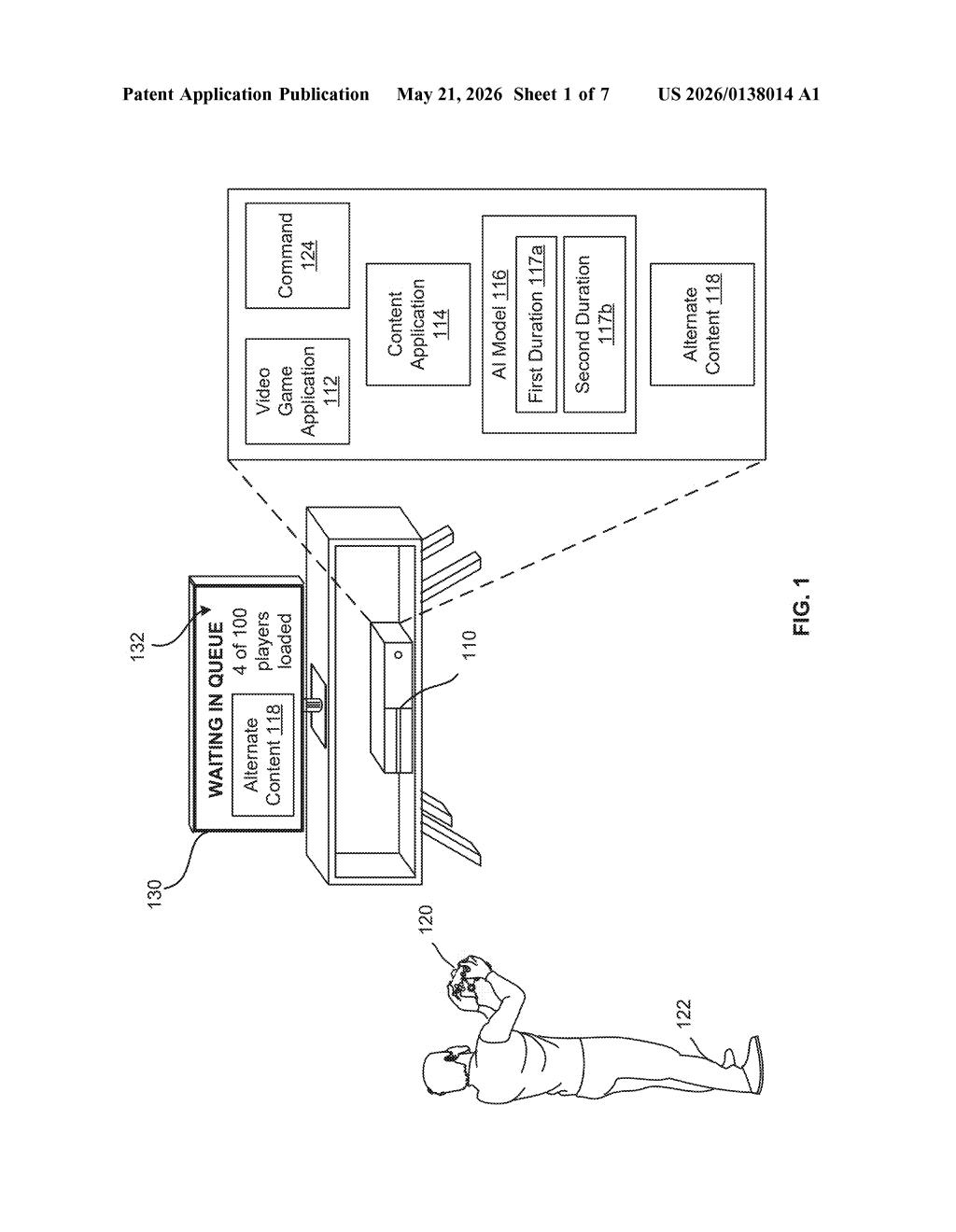
What Sony's load-screen content system actually does
Imagine you just finished a round of a multiplayer game and you're loading into the next match. Right now, that's usually a spinner, a progress bar, or a static tip screen. Sony's new patent describes a system that uses that gap to show you actual information about the players in your upcoming match — things like their stats, history, or profile data.
The console detects that a new game is about to start, notices that a list of players has been assembled, and then pulls information about those players to build a little report. That report gets displayed while the game loads, turning dead air into something you might actually want to read.
The patent frames this broadly enough to include other kinds of "alternate content" too — not just player stats. Think of it like a smart pre-match briefing that replaces the blank loading experience with context about who you're about to play with (or against).
How the console detects wait windows and swaps in content
The patent describes a two-phase content system running on a gaming console. During normal gameplay, the screen shows the game as usual. When the console detects that a new game session is about to begin — a specific trigger condition — it switches into an "alternate content" mode.
In that mode, the system first displays informational images showing a list of players who will be in the upcoming game. It then retrieves data about one or more of those listed players and assembles it into a report that gets shown on screen. The patent doesn't specify exactly where this data comes from, but it could plausibly be pulled from a game's backend or a platform profile service.
The architecture separates two durations:
- First duration — the loading/wait window before the new game begins
- Second duration — presumably the new game itself, when normal gameplay resumes
The claim is deliberately broad: "alternate content" isn't limited to player stats. The patent leaves room for other content types (video, ads, tips) to be injected during these wait windows. The core technical hook is the detection logic — knowing when an appropriate gap has started and triggering the right content delivery in response.
What this means for PlayStation's matchmaking experience
For players, this could genuinely improve the pre-match experience. Instead of watching a progress bar, you'd get a quick breakdown of who's loading into your lobby — useful context in competitive games where knowing opponents' playstyles matters. It's a small quality-of-life win that costs nothing in terms of gameplay time.
The broader angle is that Sony is patenting a structured insertion point for non-game content during natural wait periods. That framing has obvious monetization potential — the same detection-and-delivery system that shows player stats could just as easily show sponsored content or game trailers. Whether Sony deploys this as a player feature, an ad slot, or both is an open question the patent doesn't answer.
This is a modest but real idea — turning loading screens into contextual pre-match briefings is something players would actually appreciate, especially in competitive multiplayer games. The catch is that the patent is written broadly enough to double as an ad delivery mechanism, which is probably the more commercially interesting use case for Sony. Watch whether this shows up as a feature first or a revenue line.
There are more where this came from
We read every patent application Big Tech publishes and send you the ones worth knowing. Plain English, free, every week.
Want this weekly breakdown for a company we don't cover? Patentlyze Pro →