
Apple Patents a System That Pre-Loads Your Data Before a Call Connects
What if your iPhone could quietly fetch everything it needs about an incoming caller — your contact card, shared photos, call preferences — before you even pick up? That's the core idea in Apple's latest communications patent.
What Apple's call pre-loading system actually does
Imagine you're about to get a FaceTime call from a family member. Right now, when the call connects, your device might still be scrambling to load their contact info, profile picture, or any personalized settings. There's a brief moment where everything has to catch up.
Apple's patent describes a smarter handoff: the sending device deliberately delays starting the live call just long enough to send your device a heads-up — essentially a "go fetch this person's data now" signal. Your device then pulls that personalized data from a server before the call actually begins.
The result is that when the call does connect, everything is already loaded and ready. The system also includes a conditional check — if certain criteria aren't met (say, you're on a weak connection or the data isn't available), it skips the pre-fetch entirely and just connects normally.
How the three-device handshake times the data fetch
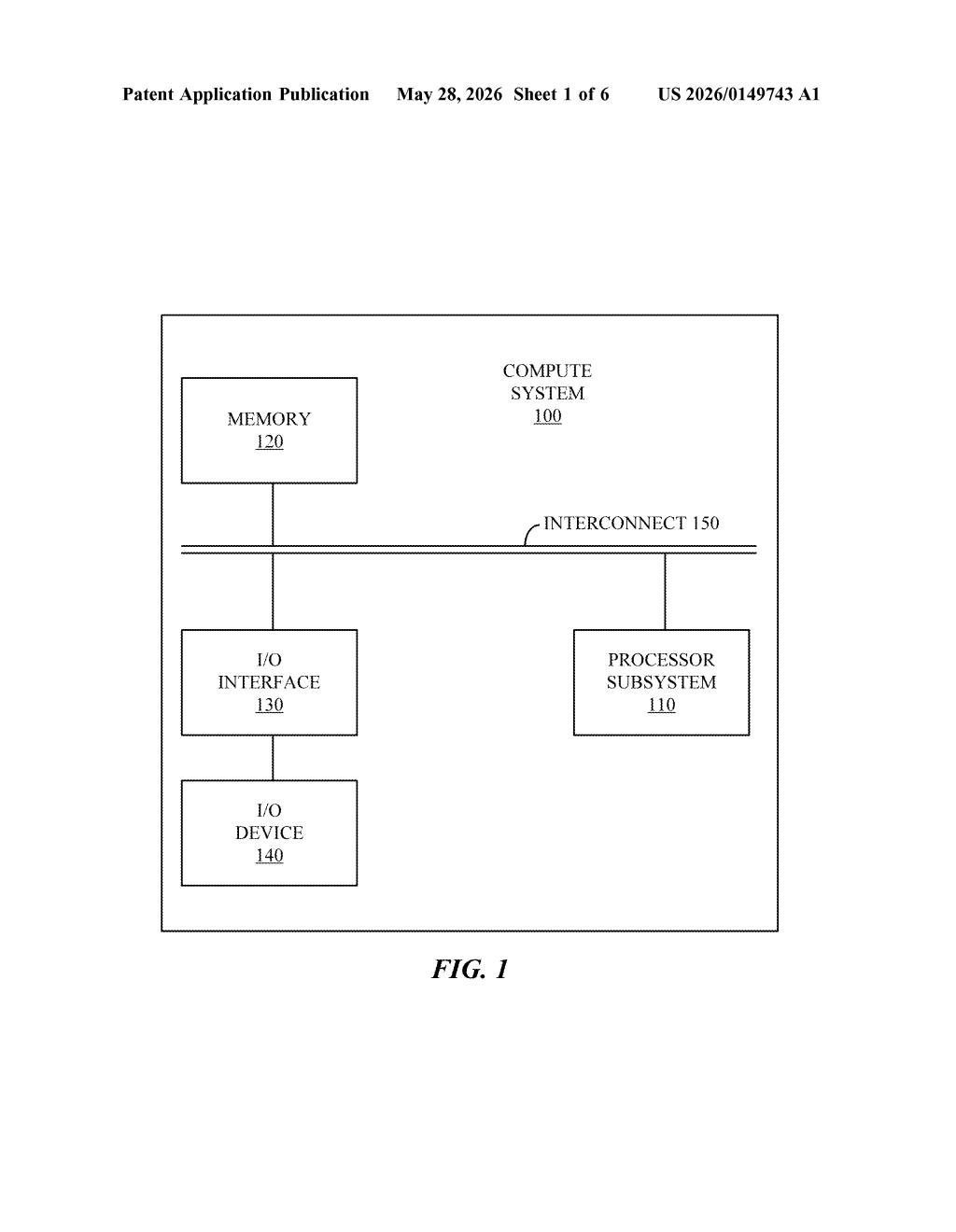
The patent describes a three-device architecture: a sending device (the caller), a receiving device (you), and a third-party server that holds the personalized data. Here's the flow:
- The sending device initiates a live communication but intentionally holds it back for a moment.
- It sends a request to the receiving device, telling it to go fetch relevant data from the server.
- The receiving device evaluates two sets of criteria — think of them as go/no-go conditions — to decide whether to actually perform that fetch.
- If the criteria are met, it pulls the data from the server. If not, it skips the fetch and waits for the live session to start normally.
The first independent claim frames this from the receiving device's perspective: it receives the pre-fetch request, checks its criteria, and either accesses the data via the server or foregoes it. The dual-criteria structure (one set for fetching, one set for skipping) is the key engineering decision — it gives the system a graceful fallback so a failed pre-fetch doesn't block the call.
What this means for FaceTime and live communication apps
For users, this is the kind of polish that turns a good experience into a seamless one. You probably don't notice it when a FaceTime call loads a beat behind — but Apple clearly does. Pre-loading personalized data could mean your caller's Memoji, contact card, or shared context appears instantly the moment the call connects, rather than popping in a second later.
Strategically, this fits Apple's broader push to make live communication feel more personal and fluid. The conditional criteria structure also suggests Apple is thinking about real-world constraints — battery, bandwidth, server availability — so this isn't just a best-case-scenario feature. It's designed to work gracefully when things aren't perfect.
This is a quiet quality-of-life patent, not a headline feature. The conditional fetch logic is genuinely thoughtful engineering — it means the system won't make calls worse in bad conditions in order to make them marginally better in good ones. That kind of defensive design is worth noting, even if it'll never appear on a spec sheet.
There are more where this came from
We read every patent application Big Tech publishes and send you the ones worth knowing. Plain English, free, every week.
Want this weekly breakdown for a company we don't cover? Patentlyze Pro →