
Google Patents Ride-Hailing Integration Directly Inside Google Maps
Google is patenting a way to pull live ride estimates from third-party services like Uber or Lyft directly into Google Maps — no app-switching, no copy-pasting an address into a separate app.
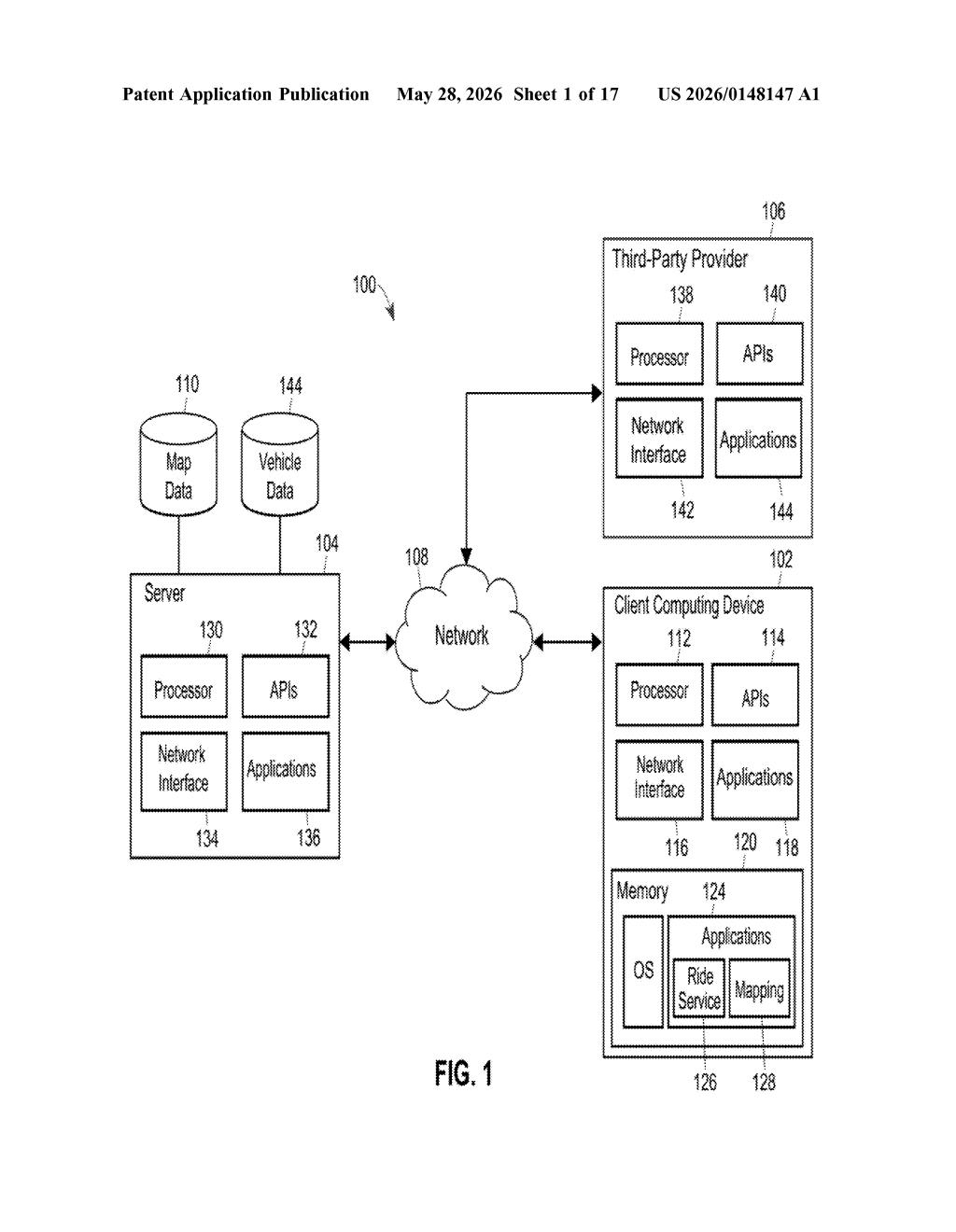
How Google Maps could book your Uber without leaving the app
Imagine you're planning a trip across town that involves walking a few blocks, hopping on a subway, and then grabbing a rideshare for the last mile. Right now, you'd probably check Google Maps for directions, then separately open Uber to book a car. That context-switching is annoying, and Google's new patent is aimed squarely at eliminating it.
The idea is that Google Maps would quietly call the APIs (basically the back-end data feeds) of ride services in the background, fetching real-time price estimates and wait times for the rideshare portion of your trip. Everything would appear inside a single Google Maps interface as part of a unified, multi-modal route — walk here, take the train there, then your rideshare picks you up at this corner.
For you as a user, the experience would feel seamless: one app, one set of directions, with ride options lined up right alongside transit and walking segments. The patent covers the plumbing that makes that possible.
How Google's mapping app calls ride service APIs under the hood
The patent describes a multi-modal navigation system where a mapping application acts as an orchestration layer on top of third-party ride service providers.
Here's the technical flow:
- The user requests directions to a destination inside the mapping app.
- The app identifies a segment of the route where a ride service is the appropriate mode of transport.
- It then invokes one or more ride service APIs — essentially making a programmatic call to Uber, Lyft, or another provider's server — requesting candidate rides, price estimates, and wait times for that segment.
- The ride service responds with options, which the mapping app formats and surfaces directly in its own UI as a listing of candidate rides.
The key architectural detail is that the mapping application never becomes a ride service itself — it's a client calling an external API, keeping the provider relationship intact while owning the user-facing interface. The patent explicitly frames this as avoiding redirecting the user to a separate ride service application. Think of it less like merging two apps and more like Google Maps becoming the front-end shell for multiple ride services simultaneously.
What this means for Google Maps and ride-hailing competition
For everyday users, this is a quality-of-life win: fewer taps, no context switching, and the ability to compare ride options from multiple services side-by-side within the same trip-planning view. If Google actually ships something like this, it would make Google Maps a more direct competitor to the native apps of Uber and Lyft — at least for the discovery and comparison phase of booking.
For the ride-hailing platforms, the dynamic is more complicated. Being listed inside Google Maps could mean massive distribution, but it also means Google controls the interface and can present multiple competing services on equal footing. That's a powerful position for Google to be in, especially given its existing dominance in mobile navigation.
This is a logical extension of what Google Maps has been nudging toward for years — the app already shows transit, bike-share, and scooter options. Adding live rideshare quotes via API is the obvious next step, and the patent suggests Google has thought carefully about the technical architecture. The real question isn't whether this is interesting engineering; it's whether Uber and Lyft will play ball, because without their cooperation on the API side, this patent is just plumbing for a house that doesn't exist yet.
There are more where this came from
We read every patent application Big Tech publishes and send you the ones worth knowing. Plain English, free, every week.
Want this weekly breakdown for a company we don't cover? Patentlyze Pro →