
Microsoft Patents an AI System That Scores the Strength of Your Professional Relationships
Not all LinkedIn connections are equal — some are close colleagues, others are people you met once at a conference. Microsoft is patenting an AI system designed to figure out which is which, and use that signal to power smarter recommendations.
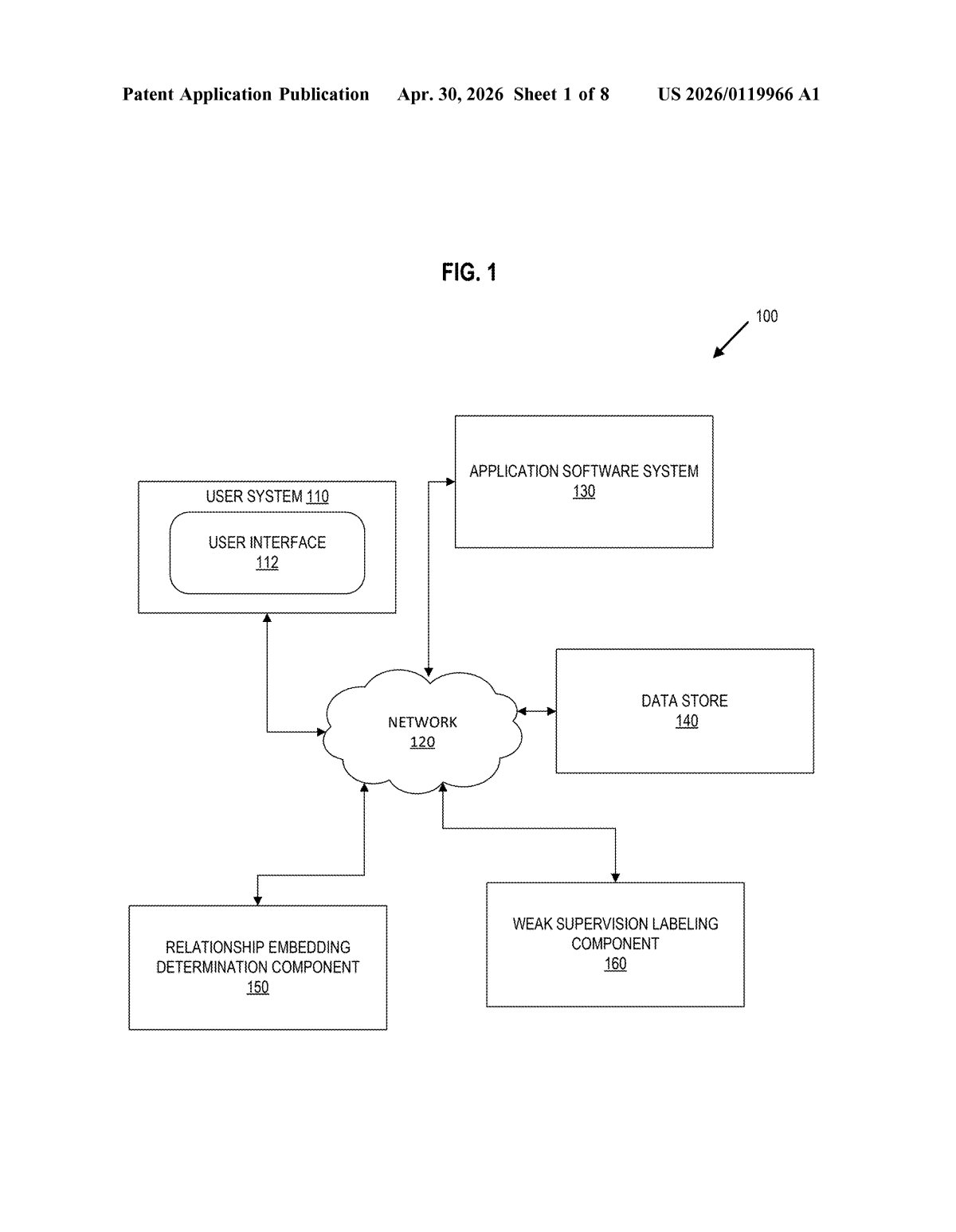
What Microsoft's relationship-strength AI actually does
Imagine your professional network as a map of dots connected by lines. Some of those lines represent real, active relationships — a former manager you message every month, a collaborator you co-authored posts with. Others are basically dead weight: a connection you accepted years ago and never interacted with again. Right now, most platforms treat all those connections as roughly equivalent. Microsoft's patent describes a machine learning system built to tell them apart.
The system watches how you and your connections actually behave on the platform — what content you engage with, who you interact with, and how often — then uses those behavioral signals to assign a relationship strength score to each pair of users. Those scores are then fed directly into a recommendation engine, so the platform can surface content, people, or opportunities that are more relevant to your actual inner circle.
The clever part is how Microsoft trains the model without needing humans to hand-label millions of relationships as 'strong' or 'weak.' Instead, it uses a technique called weak supervision — automatically generating approximate training labels from existing network and usage data — which makes the whole system much cheaper and faster to build.
How weak supervision builds the relationship scoring model
The patent describes a pipeline built around a graph network (think: every user is a node, every connection is an edge) operating on top of an online system — almost certainly LinkedIn. The system ingests two types of data:
- Network data: the raw structure of who is connected to whom
- Logging data: behavioral signals like clicks, likes, comments, messages, and other interactions users have with content on the platform
The key innovation is how training data gets generated. Rather than hiring annotators to label relationship quality, the system uses weak supervision labeling — a technique where you filter noisy behavioral logs using the known network structure to automatically produce approximate ("weakly labeled") training examples. It's less precise than human labels, but infinitely more scalable.
Those weakly labeled examples, combined with input features for node pairs (characteristics of two users considered together — shared connections, interaction history, tenure overlap, etc.), form the training set for a relationship scoring ML model. Once trained, the model takes any two users as input and outputs a score representing how strong their relationship actually is.
Finally — and this is the practical payoff — the trained model is coupled directly to a recommendation system. So instead of recommending content or people based purely on network topology, the platform can weight suggestions by real relationship strength.
What this means for LinkedIn recommendations and your feed
For LinkedIn users, this could mean a feed that actually reflects your real professional world rather than a firehose of content from 1,500 technically-connected strangers. If the recommendation engine knows your relationship with your former boss is strong and your connection to a cold-outreach recruiter is weak, it can prioritize accordingly — showing you things your real network is engaging with, not just your nominal one.
For Microsoft's business, relationship scores are a foundational signal for basically everything LinkedIn wants to do better: job recommendations, content ranking, People You May Know, Sales Navigator lead scoring, and Copilot-powered networking features. A more accurate map of who actually matters to whom is genuinely valuable infrastructure — and this patent stakes a clear claim on one systematic way to build it.
This is solid, unsexy infrastructure work that LinkedIn almost certainly needs. The weak supervision angle is the real technical contribution here — it's a pragmatic solution to the labeling problem that has probably been holding back relationship-quality signals for years. Don't expect a press release, but do expect this to quietly power a dozen LinkedIn features over the next few years.
There are more where this came from
We read every patent application Big Tech publishes and send you the ones worth knowing. Plain English, free, every week.
Want this weekly breakdown for a company we don't cover? Patentlyze Pro →