
Samsung Patents a Display That Blends Two Viewing Angles with a Dimmed Transition Zone
Samsung is filing patents for a screen that can show different content to different viewers — and it's figured out how to make the edge between those zones look smooth instead of jarring.
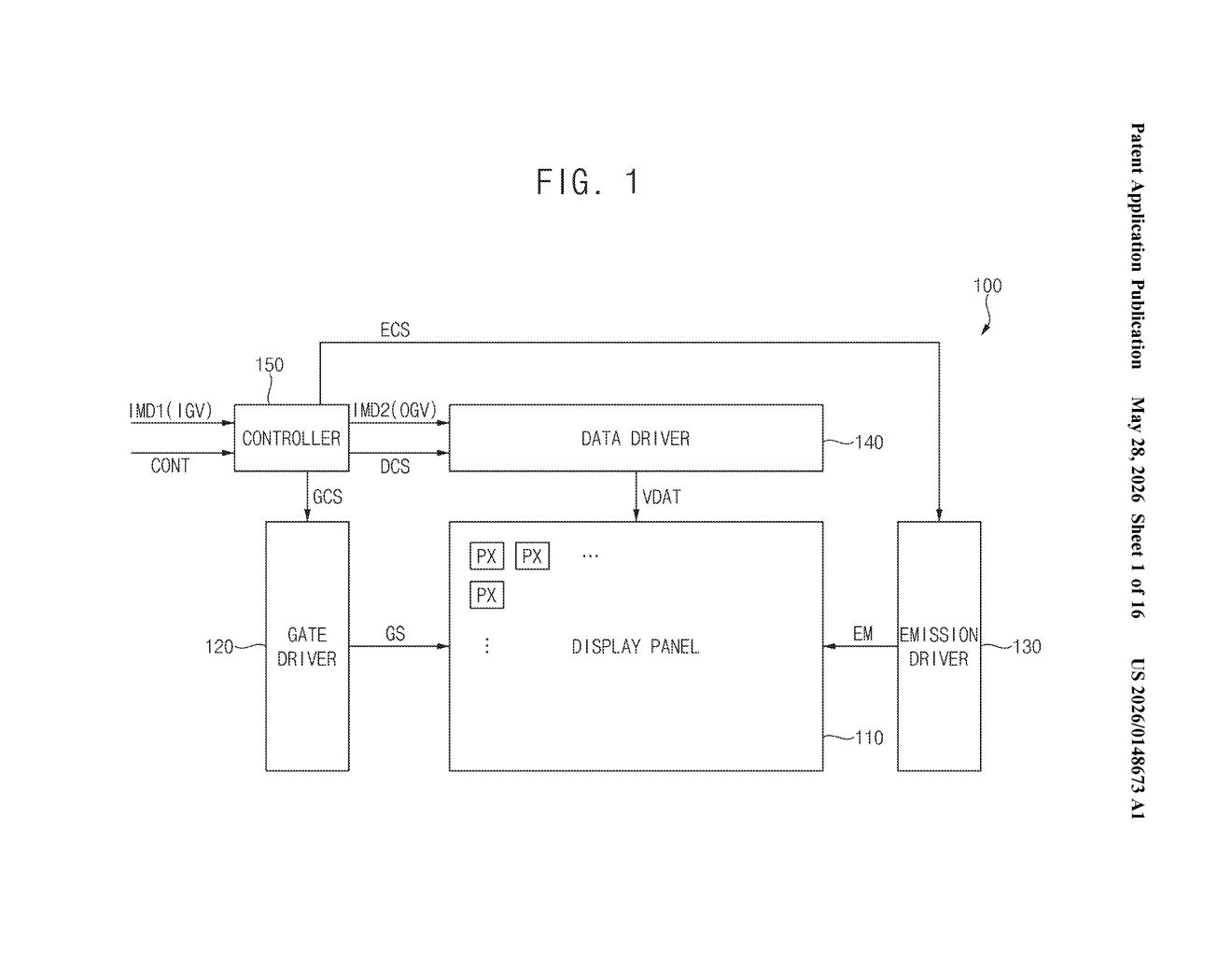
What Samsung's dual viewing-angle pixel blending actually does
Imagine a laptop screen where you see your spreadsheet clearly from straight ahead, while the person sitting beside you sees a separate image — or just a dark panel. That's the promise of dual-angle displays. The tricky part is what happens at the seam between the two zones: a hard cutoff looks ugly and makes the trick obvious.
Samsung's patent describes a screen with two types of sub-pixels baked right into the panel — some built to project light toward you, others aimed at a different angle. A controller decides which sub-pixels get which image data depending on where they sit on the screen.
The clever part is a buffer zone in between. Instead of switching abruptly from one viewing angle to the other, pixels in that transition strip receive a lower brightness value than the pixels on either side. That gentle dimming masks the visual discontinuity between the two zones, making the whole thing look more seamless to both viewers.
How Samsung's buffer zone dims pixels at the boundary
The display panel contains two distinct types of sub-pixels: first sub-pixels with a narrower or specific first viewing angle, and second sub-pixels with a different second viewing angle. These are physically interleaved across the panel.
A controller takes incoming image data (with raw grayscale values) and renders it into output image data that gets sent separately to each sub-pixel type. The mapping works like this:
- In the first area, only first sub-pixels are driven — second sub-pixels there are left dark.
- In the second area, only second sub-pixels are driven — first sub-pixels are left dark.
- In the buffer area between the two, both sub-pixel types are driven simultaneously.
The key insight is what happens in that buffer area. Even when the input grayscale values for both sub-pixel types are identical, the controller deliberately outputs a lower grayscale value to both than it sends to the pure first- or second-area pixels. This intentional dimming smooths the visual transition between the two angular zones, reducing artifacts that would otherwise appear at the boundary.
What this means for privacy screens and multi-user displays
Displays that serve different images to viewers at different angles have obvious appeal for privacy screens, in-flight entertainment showing different content to adjacent seats, or dual-user tablets. The bottleneck has always been that the seam between zones creates noticeable banding or crosstalk — something that makes the effect look cheap.
By embedding the transition logic directly into the pixel-rendering pipeline — rather than relying on a physical film or software hack — Samsung is pushing this capability closer to being a manufacturable, panel-level feature. If this makes it into consumer products, it could meaningfully change how privacy and multi-user display modes work on phones, tablets, and monitors without requiring bulky add-ons.
This is solid, incremental display engineering rather than a conceptual leap — Samsung is solving a real artifact problem at the rendering layer. The buffer-zone dimming approach is elegant in its simplicity, and the fact that it's handled by the controller (not a hardware overlay) suggests it could scale to thin consumer panels without adding cost. Worth watching as a building block for future privacy-mode displays.
There are more where this came from
We read every patent application Big Tech publishes and send you the ones worth knowing. Plain English, free, every week.
Want this weekly breakdown for a company we don't cover? Patentlyze Pro →