
Samsung Patents a Stroke-Intersection System for Auto-Correcting Handwriting Input
Handwriting on a touchscreen is messy — strokes overshoot, undershoot, and cross each other in ways that turn legible letters into garbage. Samsung's new patent tackles this by analyzing where strokes intersect and using those intersection points as anchors to quietly clean up each character before it ever hits the text field.
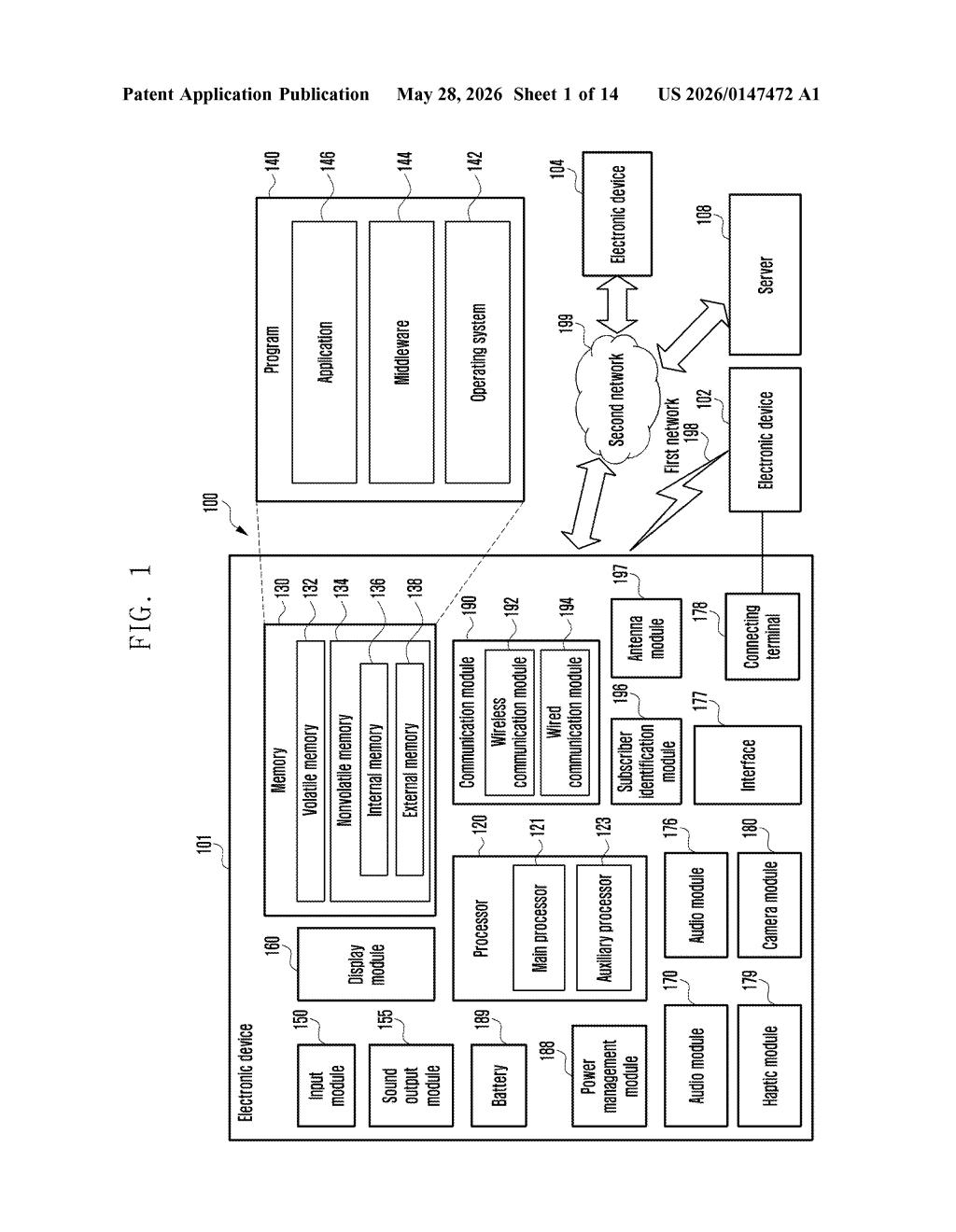
What Samsung's per-phoneme handwriting correction actually does
Imagine you're taking notes on your Galaxy tablet with the S Pen. You write quickly, and a few letters come out sloppy — a stroke that should just touch another ends up crossing it at the wrong angle, or a tail goes way too far. The result? Garbled recognition, even though you almost wrote it correctly.
Samsung's patent describes a system that catches those mistakes automatically. It breaks your handwriting down into individual phoneme characters — the smallest sound-based units that make up letters in scripts like Korean's Hangul — and studies how the individual strokes within each character relate to each other. If two strokes that shouldn't cross actually do, or if one stroke stretches far past where it should stop, the system flags it and corrects the shape before passing it along for recognition.
The key insight is using stroke intersection points as reference anchors. Instead of guessing what you meant to write based on the whole word, the system fixes each phoneme character on its own terms, then rebuilds the full touch trajectory from those corrected pieces.
How the processor detects and fixes bad stroke intersections
The patent describes a pipeline that runs inside an electronic device (a phone or tablet with a touchscreen) and operates at the level of individual phoneme characters — think of these as the atomic building blocks of written scripts.
Here's the flow the processor follows:
- Receive and recognize: The device captures the full touch trajectory from the screen and runs it through a recognition engine to identify which phoneme characters were written.
- Stroke decomposition: For each phoneme character, the system separates out the first stroke (the primary defining stroke) from any additional Nth strokes (secondary strokes that modify or complete the character).
- Intersection analysis: The processor checks whether the first stroke and each Nth stroke actually intersect — and if they do, it records the exact location of those intersection points.
- Correction: Using those intersection point locations as geometric anchors, the device corrects the shape of each phoneme character. Strokes that overshoot are trimmed; trajectories that miss are extended or adjusted.
The patent's flowchart references two distinct correction paths: one that increases a stroke trajectory (extending an understroke) and one that removes overstretched trajectory (trimming a stroke that went too far). After all characters are corrected, the full touch trajectory is updated to reflect the cleaned-up input, feeding a more accurate final recognition result.
What this means for Galaxy Notes and stylus input accuracy
For users writing in script-based languages like Korean (Hangul), where each syllable block is composed of multiple strokes that must relate to each other geometrically, small stroke errors have an outsized impact on recognition quality. A correction system that works at the phoneme level — not just the word level — means fewer frustrating mis-recognitions when you're writing quickly or at an awkward angle.
For Samsung specifically, this fits squarely into the company's long-running investment in S Pen and stylus input across the Galaxy Note and Galaxy Tab lines. Better handwriting correction means the on-device recognition engine gets cleaner input to work with, which could reduce dependence on large cloud-based models for real-time handwriting-to-text conversion — a meaningful win for both latency and privacy.
This is focused, incremental engineering work — not a reinvention of handwriting input, but a smart fix for a real and persistent pain point in stylus-driven devices. The phoneme-level granularity is the genuinely interesting part here; it suggests Samsung is optimizing specifically for Korean script, where stroke geometry within a character block matters more than in Latin alphabets. If it ships, it's the kind of quiet quality-of-life improvement that Galaxy Note users will notice without being able to articulate why their handwriting suddenly works better.
There are more where this came from
We read every patent application Big Tech publishes and send you the ones worth knowing. Plain English, free, every week.
Want this weekly breakdown for a company we don't cover? Patentlyze Pro →