
Samsung Patents a Robot Vacuum That Physically Moves Obstacles to Clean Beneath Them
Most robot vacuums politely drive around shoes, bags, and pet bowls — Samsung's new patent describes a robot that just moves them out of the way, cleans the dirty spot underneath, then carries on.
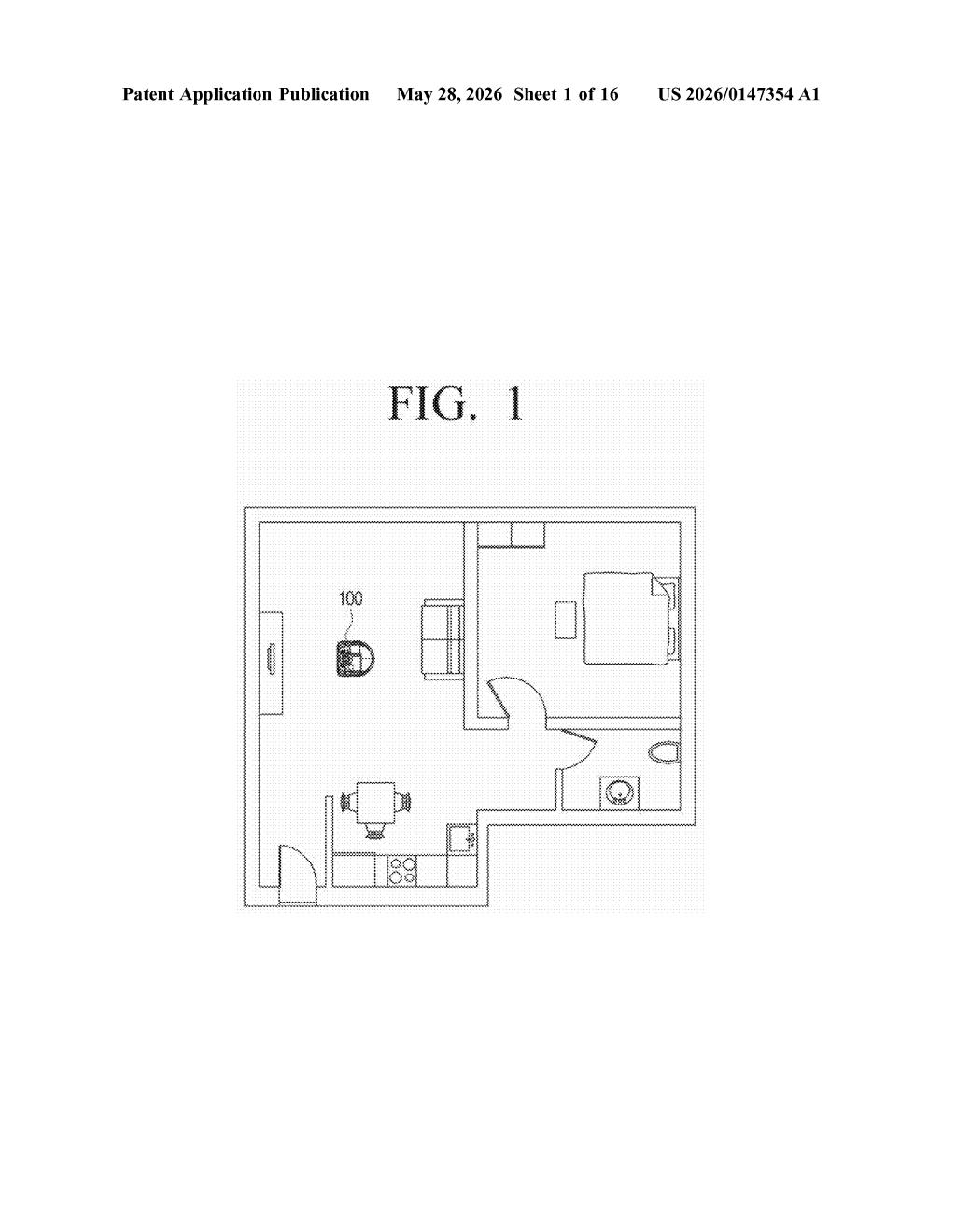
What Samsung's obstacle-moving robot vacuum actually does
Imagine your robot vacuum quietly skips over a patch of floor because there's a small box sitting on it. That spot never gets clean unless you move the box yourself. Samsung's patent is designed to fix exactly that.
The system lets you set the robot to a special mode where, instead of avoiding certain obstacles, it figures out how to physically push or carry them to a nearby clear spot. It checks the shape of the object and looks at its own map of the room to find a safe place to move it. Then it cleans the uncovered area and continues.
The key detail is that the robot doesn't just shove things randomly — it plans a specific travel path based on the object's shape and where clean versus dirty areas already are on its map. It's a step toward a vacuum that genuinely finishes the job rather than leaving little islands of grime wherever clutter happens to live.
How the robot plans a path to push and reposition objects
The patent describes a robot cleaner with a sensor suite, a driving unit, and a processor that can be switched into a special first mode via user input. In this mode, the robot doesn't just navigate around detected objects — it classifies certain ones as target obstacles, meaning items eligible for physical relocation.
Once a target obstacle is identified, the processor analyzes two things: the shape of the obstacle (so it knows how to engage with it physically) and the location of already-cleaned regions on its internal map. Using both inputs, it calculates a travel path — a route to move the object from its current position (the first location) to a clear staging spot (the second location) without dragging it over freshly cleaned floor or causing a collision cascade.
After completing the move, the robot returns to the now-uncovered first location and cleans it. The sequence looks like this:
- Detect and classify obstacle as a target
- Compute a safe relocation path based on shape and map state
- Move the obstacle to the second location
- Clean the exposed area at the first location
The patent doesn't go deep on the physical manipulation mechanism itself — whether this involves a pusher arm, bumper-based nudging, or some kind of gripper — but it focuses squarely on the planning logic that decides where and how to move things.
What this means for hands-off home cleaning
For anyone who has ever had to manually move chairs, pet dishes, or laundry piles before running a robot vacuum, this is a genuinely useful capability. The real bottleneck with current robot vacuums isn't navigation — it's that they can only clean surfaces they can reach. Physical obstacle manipulation removes a whole category of user intervention.
For Samsung's robot vacuum lineup (the Jet Bot series), this would be a meaningful differentiator if it ships. It also raises the bar on what 'fully autonomous cleaning' actually means — right now, most of the industry treats obstacle avoidance as the end goal. Samsung is patenting the idea that avoidance is just the fallback, and relocation is the preferred behavior.
This is a genuinely clever system-level idea, and it's the kind of thing that sounds obvious in retrospect but requires real engineering to pull off reliably. The planning logic — using obstacle shape plus map state to compute a relocation path — is the interesting bit, and it's the part that distinguishes this from 'robot just pushes stuff randomly.' Whether Samsung can make the physical manipulation robust enough to not knock over a glass of water is the real question, but the patent lays out a coherent framework worth watching.
There are more where this came from
We read every patent application Big Tech publishes and send you the ones worth knowing. Plain English, free, every week.
Want this weekly breakdown for a company we don't cover? Patentlyze Pro →