
Samsung Patents a Pocket-Detection System for Foldable Phones
Samsung is filing patents to solve one of the most mundane-but-maddening problems with foldable phones: the screen you can still see on the outside keeps registering phantom taps when the phone is buried in your pocket.
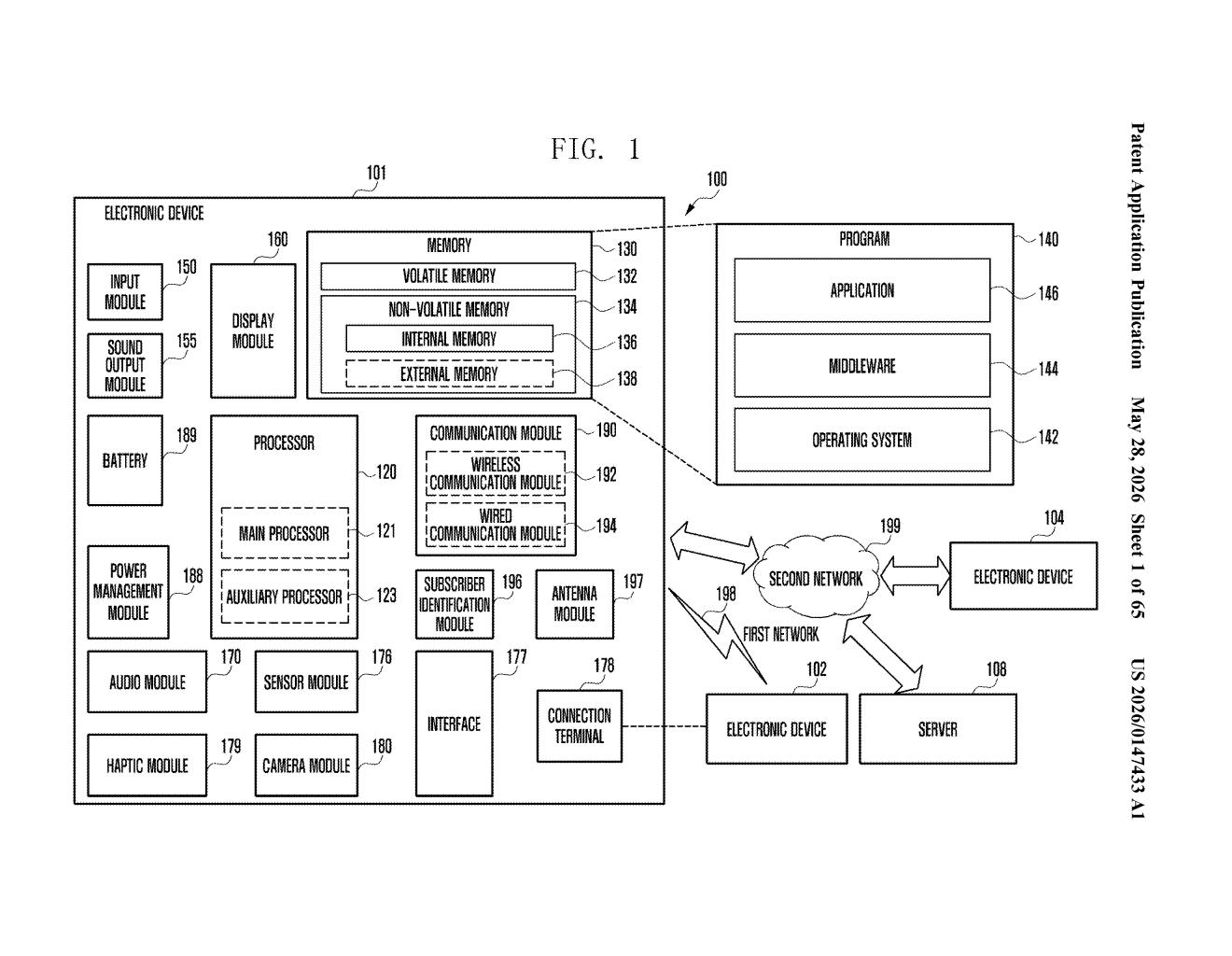
How Samsung's foldable detects your pocket
Imagine sliding your Galaxy Z Flip into your jeans pocket, only to find it's called your boss, opened three apps, or blasted music — all because the outer cover screen registered your leg as a finger. It's a real problem unique to foldable phones, because even when folded shut, that external display is still live and touchable.
Samsung's patent describes a system where the phone actively figures out it's in a pocket using touch sensor data, then shuts down touch input for a set period to prevent those accidental taps. It's not using a proximity sensor or light sensor here — the phone is reading the pattern of touch signals themselves to make the pocket call.
Once the device decides it's pocketed, it runs what the patent calls a "touch error prevention operation" — essentially a temporary suspension of touch responses. When you pull the phone back out, normal touch input resumes. It's a small quality-of-life fix, but one that foldable owners will immediately recognize as something they've wished existed.
How touch data triggers Samsung's pocket lock
The patent covers a foldable device with two key display surfaces: an external display visible when the phone is both folded and unfolded (think the cover screen on a Z Flip), and a flexible inner display only visible when unfolded. A dedicated touch sensor driver (touch IC) continuously collects raw touch data from the sensor layer on or beneath that external display.
The core logic works like this:
- The processor ingests raw touch data from the touch IC in real time.
- It runs a pocket-detection algorithm against that data — likely looking for signals that resemble broad, sustained, low-intentionality contact (a thigh or palm) rather than deliberate fingertip input.
- If the device concludes it's pocketed, it triggers a touch error prevention operation and suspends touch determination for a defined time window.
- After that window, touch input presumably resumes or re-evaluates the environment.
What makes this slightly interesting architecturally is that the detection is touch-data-driven rather than relying on a proximity sensor, ambient light sensor, or accelerometer — sensors that are already common in non-foldable phones for similar purposes. Whether Samsung is supplementing or replacing those signals isn't fully spelled out in the claim, but the emphasis on the touch IC as the primary input suggests this is designed to work even in scenarios where other sensors might not give a clean signal.
What this means for foldable phone usability
For foldable phones specifically, pocket-touch is a more acute problem than on a standard slab because the external display is smaller, more exposed, and harder to fully shield from contact when folded. Cover screens on foldables are essentially always on and touchable, which is part of their utility — and part of their liability.
If this system works as described, it could meaningfully reduce accidental calls, app launches, and media playback on devices like the Galaxy Z Flip series. For you as a user, that's less embarrassment and fewer drained-battery surprises. It also signals Samsung is doing serious engineering work on the software layer of foldables, not just the hinge mechanics and screen durability.
This is a focused, practical patent solving a real problem that foldable owners actually complain about. It's not a moonshot — it's the kind of careful fit-and-finish engineering that separates a product people enjoy from one they tolerate. Samsung filing this suggests the Z Flip line still has active software investment behind it.
There are more where this came from
We read every patent application Big Tech publishes and send you the ones worth knowing. Plain English, free, every week.
Want this weekly breakdown for a company we don't cover? Patentlyze Pro →