
Apple's New Patent Wants to Take On Venmo With Group Payment Sharing
Apple is exploring ways to let multiple people coordinate and authorize financial transfers through shared user interfaces — a direct push into the group-payment space that Venmo and Cash App have owned for years.
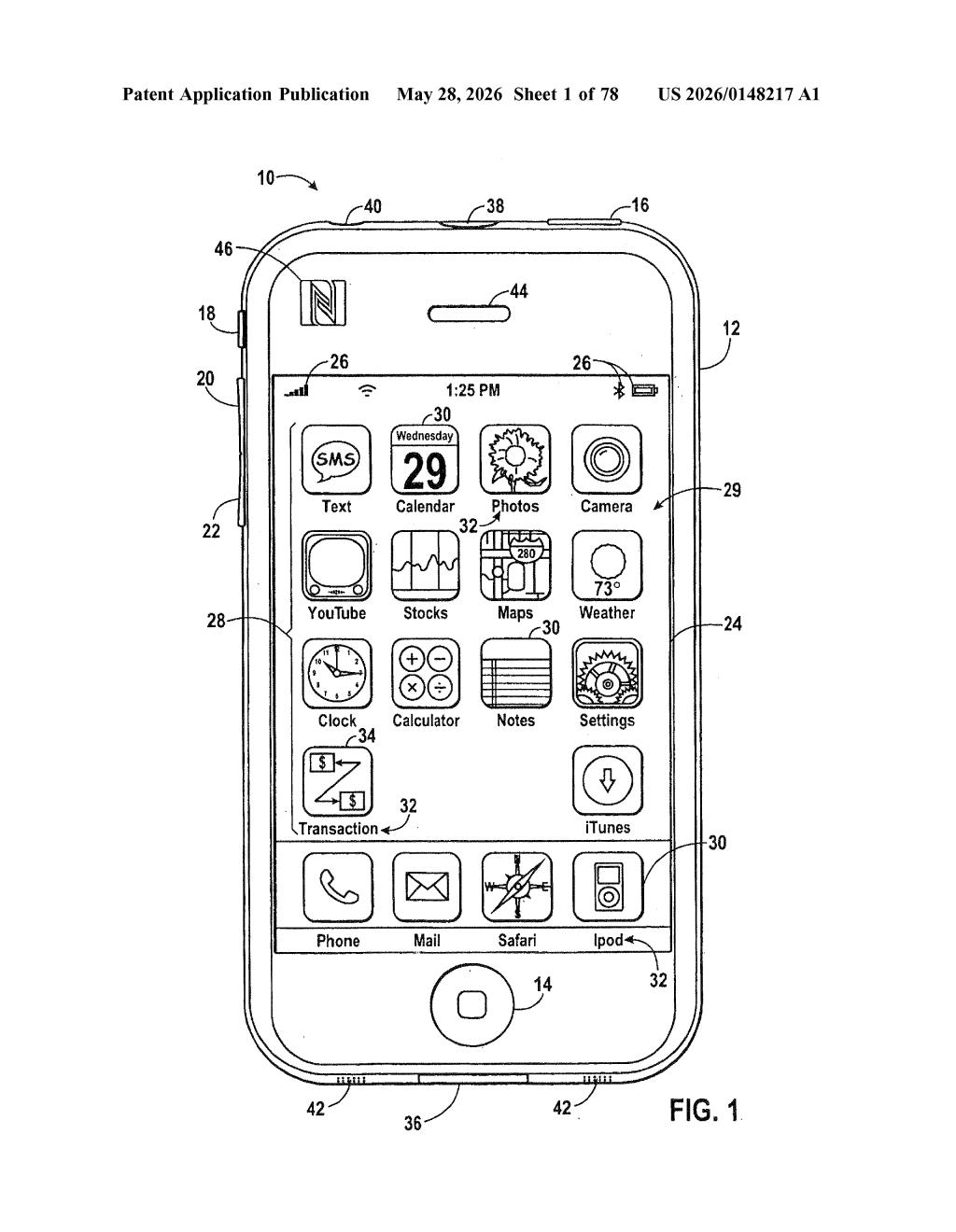
What Apple's group payment patent actually covers
Imagine you're splitting a dinner bill with five friends and instead of everyone fumbling with separate apps, one person sends a transfer request that shows up on everyone's screen, ready to approve with a tap and a Face ID confirmation. That's roughly the territory Apple is staking out here.
This patent describes user interfaces for group peer-to-peer payments — specifically, how a transfer request gets displayed, how the system detects when you tap to initiate a payment, and how it collects your authentication (think Face ID or a passcode) to actually authorize the transfer.
It's not a dramatic departure from what Apple Pay already does for one-to-one payments. The key word is group — the patent is focused on coordinating transfers among multiple participants, which is something Apple's current Wallet app handles only in a basic way.
How Apple's transfer request UI and auth flow work
The patent describes a system built around three core interactions: displaying a transfer request to a user, detecting input that signals they want to act on it, and collecting authentication to authorize the actual money movement.
Those steps sound simple, but in a group context they get complicated fast. When multiple people need to see, respond to, and individually authorize parts of the same transaction, the UI has to manage state across participants — who's paid, who hasn't, what the total looks like in real time.
- Transfer request display: A shared or mirrored view of what's being requested and from whom
- Input detection: Recognizing the user's intent to participate in or initiate a transfer
- Authentication flow: Collecting biometric or passcode confirmation before funds move
Note that claim 1 — the broadest independent claim — has been canceled, which means the enforceable scope of this patent, if granted, will be narrower than the abstract implies. The remaining dependent claims would define exactly what Apple actually owns here.
What this means for Apple Pay and group payments
Group payments are one of the few places where Apple Pay still feels behind. Venmo, Cash App, and Zelle all have mature social and group-split features that Apple's Wallet app lacks. A patent focused specifically on multi-participant transfer UIs and authentication flows suggests Apple is at least thinking seriously about closing that gap.
For you as a user, this could eventually mean splitting expenses, pooling funds for a gift, or paying back multiple people without ever leaving the Apple ecosystem. Whether this becomes a real feature or stays a patent filing is another question entirely — but the UX problem it's solving is real and overdue.
This is a fairly narrow UX patent covering the display and authentication side of group payments — not a new payment protocol or financial infrastructure play. The cancellation of claim 1 weakens its scope considerably. It's worth noting as a signal that Apple is thinking about group payment flows, but don't expect this filing alone to unlock a Venmo competitor.
There are more where this came from
We read every patent application Big Tech publishes and send you the ones worth knowing. Plain English, free, every week.
Want this weekly breakdown for a company we don't cover? Patentlyze Pro →