
Samsung Patents a Camera Sensor That Captures Photos Two Ways at Once
Samsung is patenting a camera sensor that shoots in two different shutter modes simultaneously and merges the results — a practical attempt to get the best of both worlds in a single image.
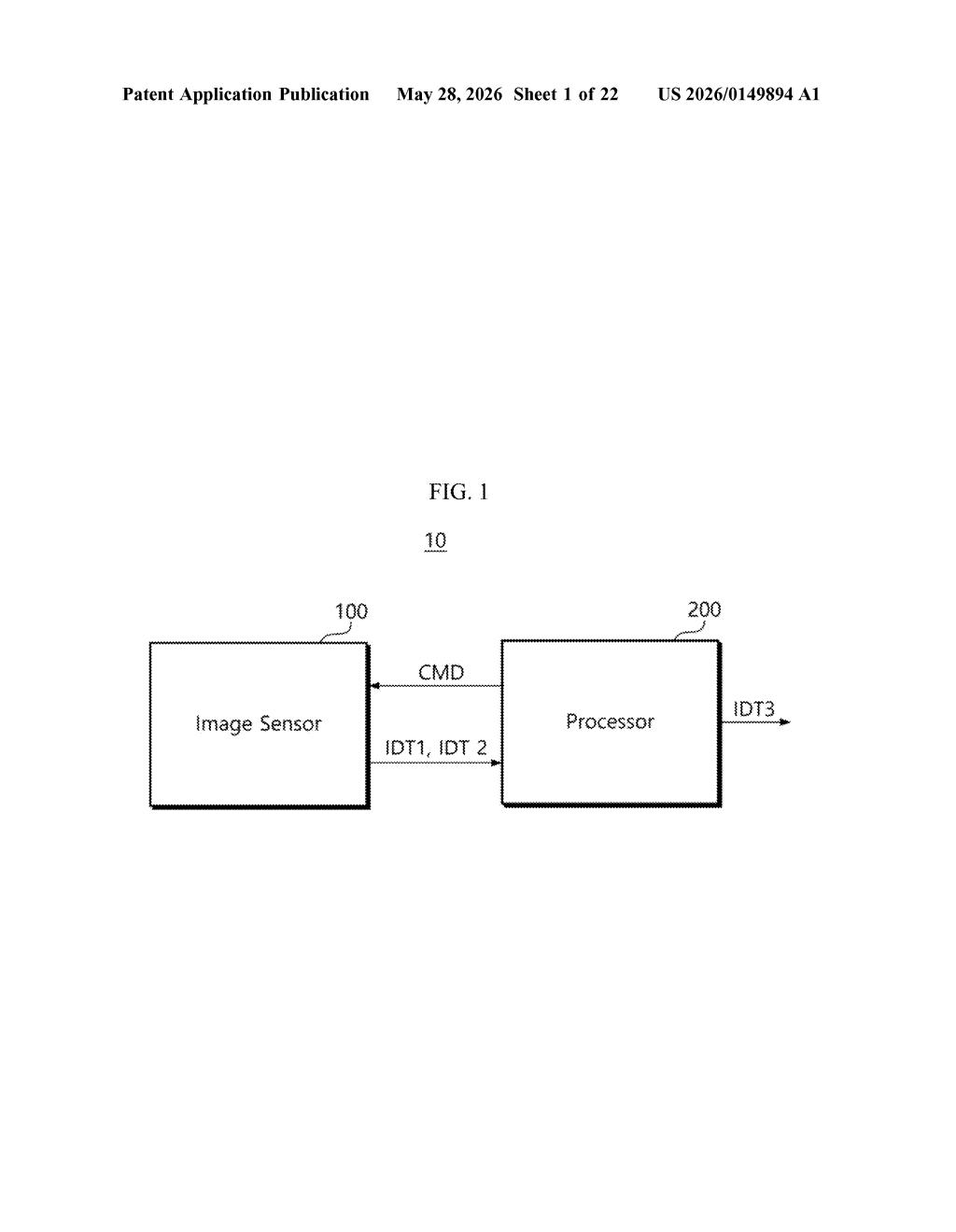
What Samsung's dual-shutter camera system actually does
Imagine photographing a fast-moving subject, like a kid on a bike or a car passing by. Camera sensors have to choose between two capture styles: one that's great at low light but distorts motion, and one that freezes motion perfectly but is harder to build into small devices. Usually you're stuck with one or the other.
Samsung's patent describes a sensor that does both at once. It captures a rolling shutter image (scanned row-by-row, which is how most phone cameras work today) and a global shutter image (all pixels exposed at exactly the same instant) simultaneously. A processor then combines those two data streams into a single, third output image.
The idea is that you get the sensitivity and resolution advantages of rolling shutter alongside the motion-freeze advantages of global shutter — without having to pick one and live with its downsides.
How the sensor captures and fuses two shutter modes
The patent describes an imaging apparatus built around a single pixel array that can operate in two shutter modes during the same capture session.
- Rolling shutter mode reads pixels row by row from top to bottom. It's efficient and sensitive, but fast motion causes a characteristic 'jello' or skew artifact because different parts of the frame are captured at slightly different times.
- Global shutter mode exposes every pixel at exactly the same instant, eliminating motion skew entirely. The tradeoff is complexity and typically lower dynamic range or sensitivity.
- A downstream processor takes the first image data (rolling) and the second image data (global) and produces a combined third output — the details of that fusion algorithm are where the real IP likely lives, though the claim language keeps it broad.
The architecture suggests the sensor itself is capable of storing charge from both readout modes independently before handing both datasets off for processing. The claim is written broadly enough to cover a wide range of fusion strategies — motion-guided blending, HDR composition, or artifact correction — without committing to a specific one.
What this means for Samsung's next camera hardware
For Samsung's mobile and camera businesses, a hybrid shutter sensor could address one of the persistent complaints about phone cameras: motion blur and rolling shutter distortion in fast-action scenes. By fusing both capture modes, a future Galaxy camera system could theoretically use the global shutter frame as a motion reference to clean up the higher-quality rolling shutter data — producing sharper sports photos or cleaner video without the sensor cost of going fully global shutter.
Global shutter sensors are already appearing in professional video cameras and, more recently, in smartphone flagships. Samsung filing a patent for a hybrid approach suggests they may be exploring a middle path — one that extends the useful life of rolling shutter sensor designs while borrowing the motion benefits of global shutter.
This is a real engineering idea, not a throwaway filing. Rolling-vs-global shutter is a genuine tradeoff that every camera engineer wrestles with, and a fusion approach makes architectural sense. The patent is written very broadly, which means the hard work — the actual fusion algorithm — is either in continuation patents or still being figured out. Worth watching for follow-on filings that spell out the signal processing.
There are more where this came from
We read every patent application Big Tech publishes and send you the ones worth knowing. Plain English, free, every week.
Want this weekly breakdown for a company we don't cover? Patentlyze Pro →