
Google Patents an AI Image Generator That Checks Its Own Work Before You See It
Google is patenting a system where an AI image generator doesn't just create an image and hand it to you — it first passes the result through a second AI that decides whether the image is even worth showing. If the critic says no, the system quietly tries again.
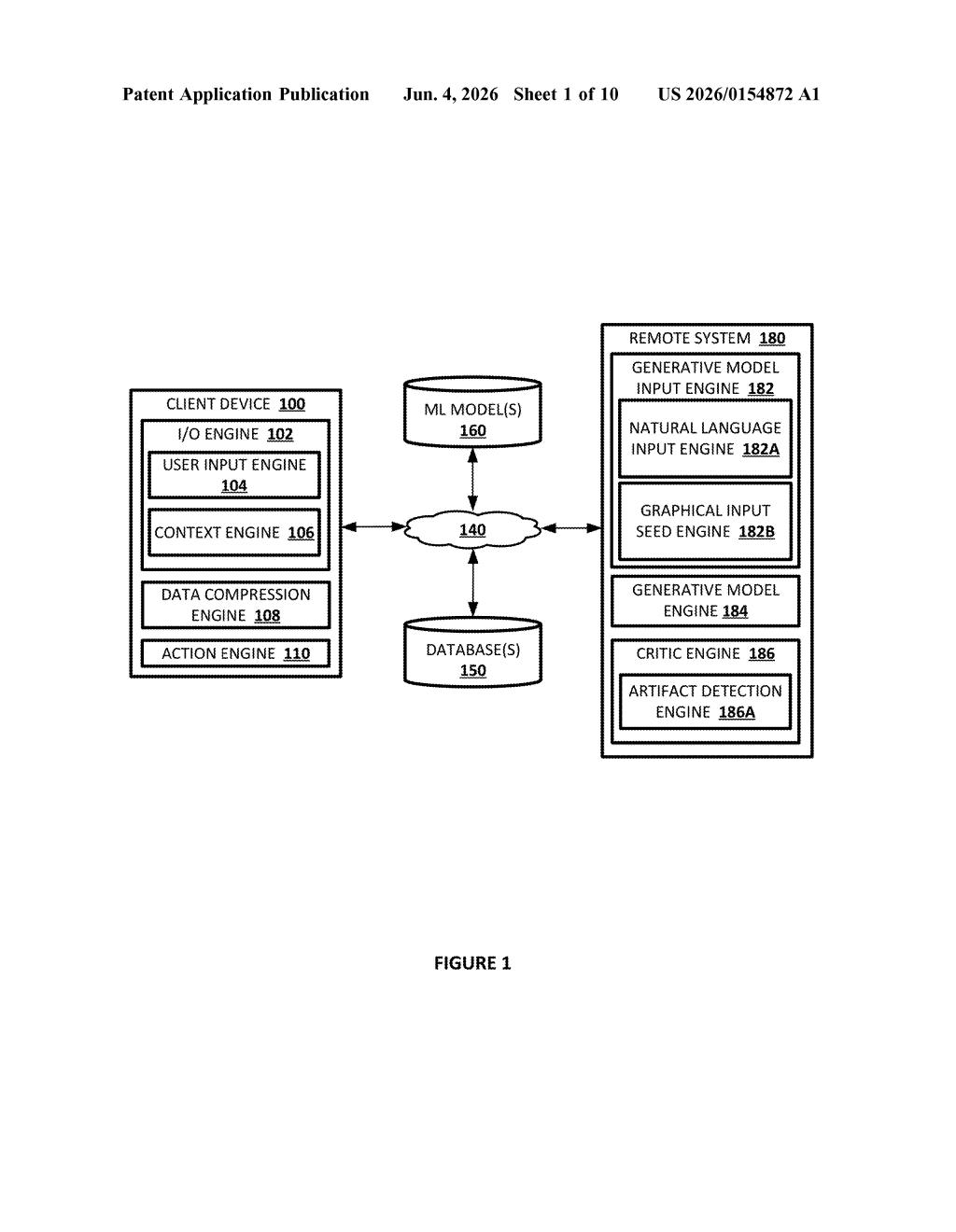
What Google's self-checking image generator actually does
Imagine asking an AI to draw something specific — say, a red bicycle leaning against a brick wall — and it comes back with an image of a blue bike with a melted wheel. Annoying, right? Google's patent describes a system designed to catch that kind of mismatch before you ever see it.
Here's how it works in plain terms: when you type a request, one AI generates the image. Then a second AI — a "critic" — looks at what was made and asks: does this actually match what the person asked for? If the critic spots problems (wrong colors, missing objects, visual glitches), it flags those specific issues and the system generates a new image that tries to fix them. You only see the result once it passes the critic's review.
This is essentially a quality control loop built directly into the image generation pipeline. Instead of showing you every attempt and making you regenerate manually, the system handles the retries internally.
How the critic model catches and corrects bad outputs
The patent describes a two-model pipeline: a generative model that creates images and a critic model that evaluates them.
When a user submits a natural language request, the system determines a graphical content seed — essentially the parameters that steer image generation (think of it like a starting point or random seed that shapes what gets created). The generative model uses this seed to produce an image.
The critic model then receives that image along with context about the original request and checks for artifacts inconsistent with the request — meaning visual errors, hallucinated elements, or content that simply doesn't match what was asked for. This is a form of automated evaluation that mirrors what a human reviewer might do.
- If the critic approves the image, it gets rendered for the user.
- If the critic rejects it, the system generates an alternative image using a new seed — but this time the generation input also includes data about the specific artifacts that were wrong, so the new attempt is informed by the previous failure.
- The loop continues until the critic approves an output.
Notably, the patent covers both initial image generation and modification requests (edits to existing images), using the same critic-gated feedback architecture in both cases.
What this means for AI image quality on Google products
For anyone who uses AI image tools regularly, the most frustrating part isn't the technology — it's the lottery of it. You submit a prompt, wait, and then decide whether to regenerate. Google's approach shifts that burden onto the system itself. If this ships into a product like Gemini or Google's image generation tools, you'd theoretically see fewer obviously broken outputs because the model is pre-screening before delivery.
The deeper strategic angle is about trust and polish in AI-generated content. As generative AI gets embedded into productivity and creative tools, the tolerance for low-quality outputs shrinks. A critic model that can describe why an image failed — and feed that back into the next generation attempt — is also potentially a building block for more controllable, explainable image generation overall.
This is a genuinely useful architectural idea — building a gating mechanism into the generation pipeline rather than forcing users to babysit the retry loop. The interesting detail is that failure reasons get passed back into the next generation attempt, which is smarter than just regenerating from scratch. Whether it works well in practice depends almost entirely on how good the critic model is, which the patent doesn't address.
Which company should we read for you?
We track 17 companies here. Pro is the same weekly breakdown for any company you choose, delivered privately. Type a name and we'll scope it and send you a quote.
Get one Big Tech patent every Sunday
Plain English, intelligent commentary, no hype. Free.
Editorial commentary on a publicly published patent application. Not legal advice.