
Microsoft Patents an AI That Drafts Email Replies Based on Who You're Writing To
Microsoft is working on an AI email assistant that doesn't just suggest generic replies — it reads your history with a specific person and drafts something that actually sounds like you talking to them.
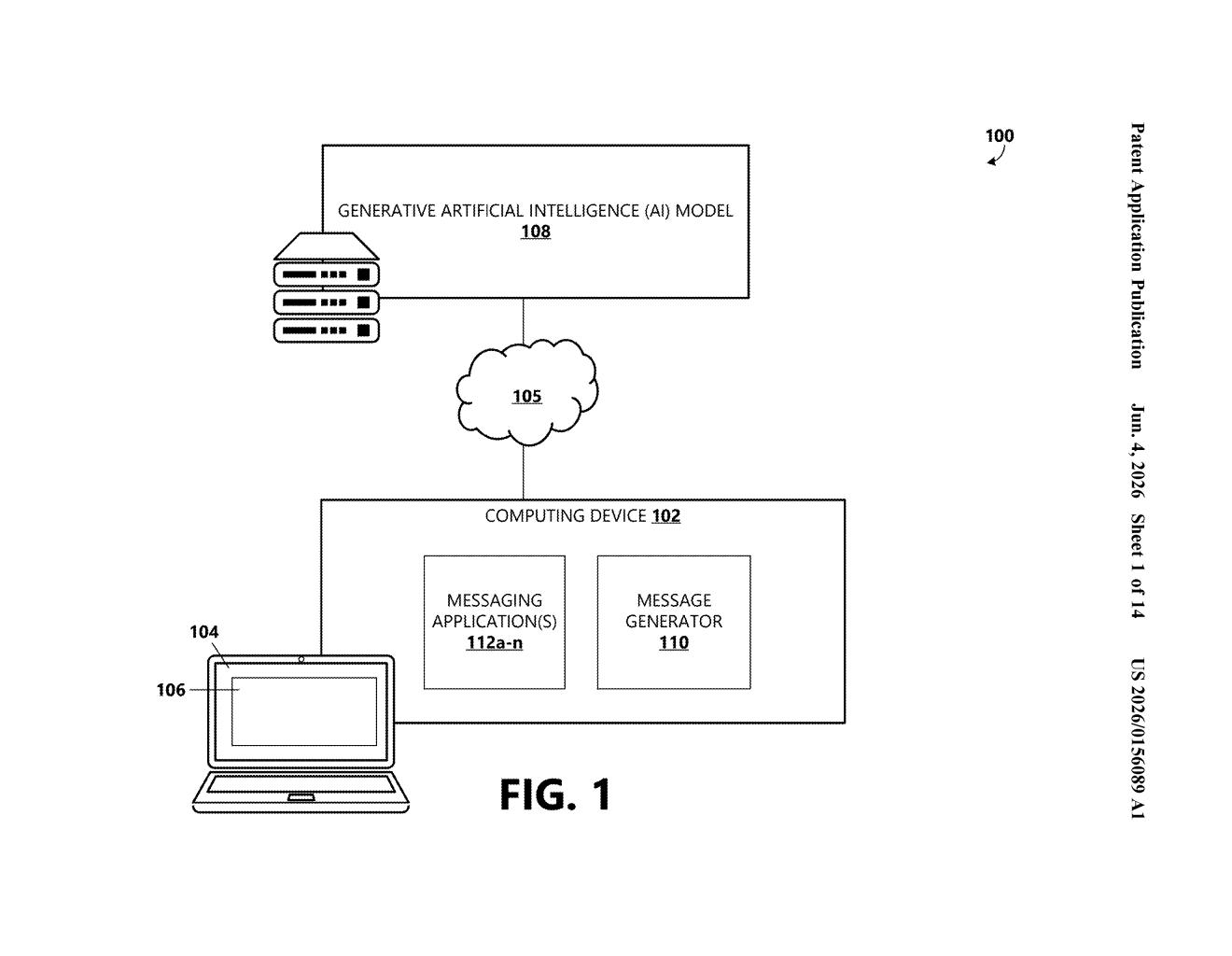
What Microsoft's context-aware AI reply draft actually does
Imagine you get an email from your manager asking for a project update. A basic AI assistant might suggest something bland and corporate. Microsoft's approach would instead look at how you typically write to that specific person, what topics usually come up between you two, and what your general communication style looks like — then write a reply that fits that relationship.
The system pulls together several layers of context: your past messages, the full conversation thread, profile information about the sender, and what Microsoft calls "relationship data" — basically, how well you know each other and the nature of that relationship.
The result is a suggested draft that's shaped to your voice and the dynamic of that particular conversation, rather than a one-size-fits-all response. You'd still edit and send it yourself, but the starting point would feel a lot less generic.
How the system infers your tone and talking points
The patent describes a message generation system that feeds a generative AI model a rich prompt — not just the email you're replying to, but a broader package of context assembled around that message.
That context bundle includes:
- Message thread history — the full back-and-forth of the current conversation
- Previously sent messages — your past emails, used to infer your writing style and recurring talking points
- Profile information — details about both you and the sender (likely pulled from directory or contact data)
- Relationship data — signals about how you and the sender are connected, including the nature of the relationship (colleague, manager, client, etc.)
From all of this, the system infers your preferred communication style — formal or casual, concise or detailed — and any relevant talking points you tend to raise with similar contacts. That inference is baked into the prompt sent to the AI model, which then generates a draft reply tailored to both your voice and the specific relationship.
The patent emphasizes using similar past participants as a reference — so even if you've never emailed this exact person before, the system can look at how you write to people in comparable roles or relationships.
What this means for AI-assisted communication in Outlook
If this lands in Outlook or Microsoft 365 Copilot, it would represent a meaningful step beyond the basic "Suggested Replies" feature that already exists in many email clients. Those suggestions are short, generic, and contextually shallow. What this patent describes is closer to a personal communication model — something that understands not just the message but the relationship it's part of.
For heavy email users — executives, salespeople, support teams — a draft that already sounds like you writing to that person could save meaningful time. The privacy implications are real though: this system would need access to a lot of your past communications to work well, which means it lives or dies on how much users trust the platform with that data.
This is a genuinely useful direction for AI-assisted email, and Microsoft is in a strong position to execute it given how much communication data flows through Microsoft 365. The canceled claims (claims 1–20 are listed as canceled in this publication) suggest this is a continuation or re-examination filing, which is normal — it doesn't mean the patent is dead. The core idea — using relationship and style signals to personalize AI drafts — is something users would actually notice and appreciate.
There are more where this came from
We read every patent application Big Tech publishes and send you the ones worth knowing. Plain English, free, every week.
Want this weekly breakdown for a company we don't cover? Patentlyze Pro →