
Samsung Patents a Post-Quantum Security System for Future-Proof Device Authentication
Quantum computers don't exist at scale yet — but Samsung is already building the cryptographic locks to stop them. This patent describes a secure chipset architecture that uses post-quantum cryptography to verify digital signatures, shoring up device authentication against attacks that today's encryption can't survive.
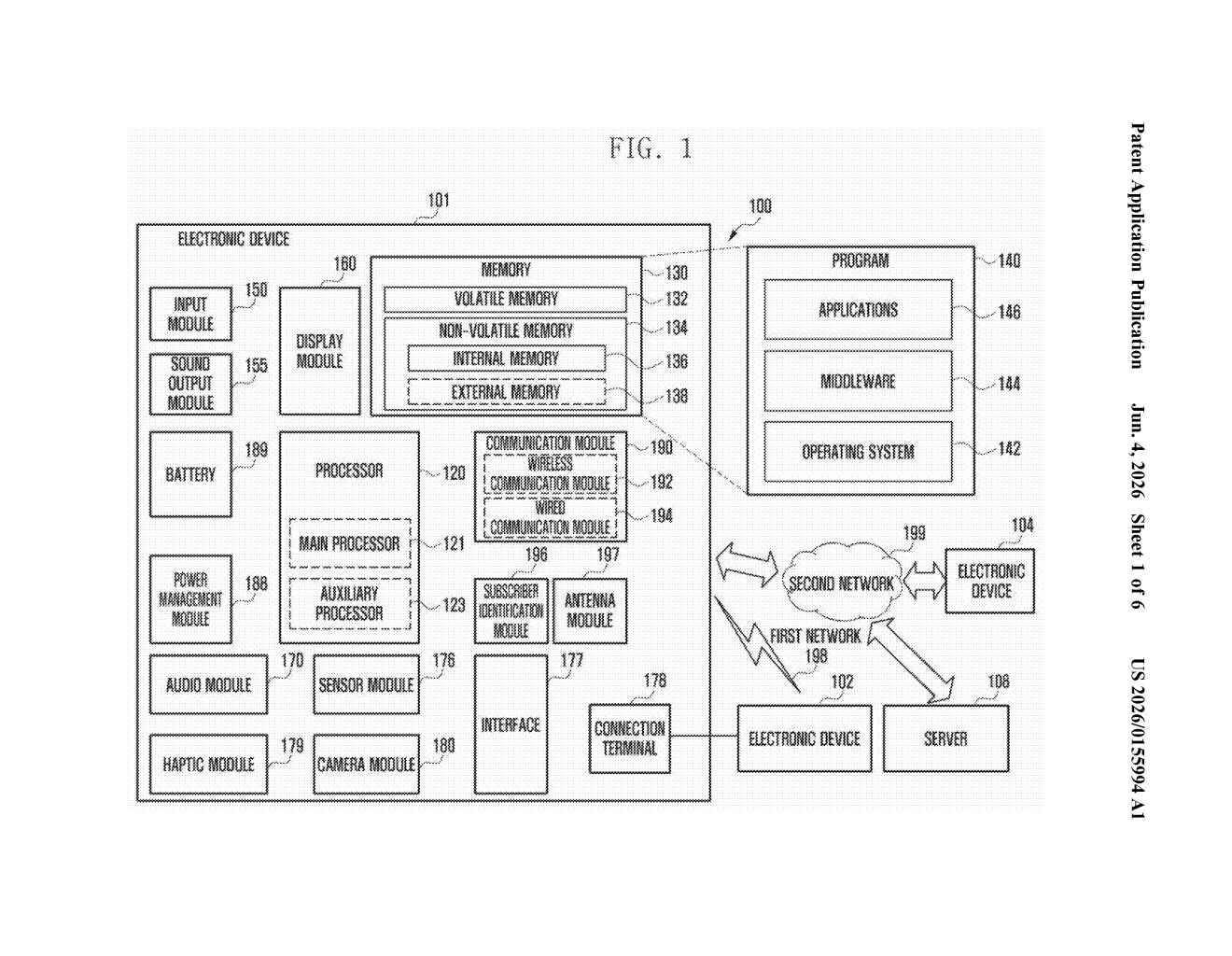
What Samsung's dual-domain quantum-safe security actually does
Imagine your phone receives a command from a trusted server — say, a bank authorizing a transaction or a carrier pushing a configuration update. Today, your phone checks a digital signature to confirm that command is legit. That process works fine now, but quantum computers could eventually crack the math that makes those signatures trustworthy.
Samsung's patent describes a way to future-proof that verification step. When your device gets a script (essentially a signed instruction packet) from an external source, a dedicated secure chipset takes over. It checks the sender's identity certificate using a key it already trusts, then pulls a second key out of that certificate to double-check the digital signature — all using post-quantum cryptographic algorithms that are designed to resist quantum attacks.
The system carves your device's secure operations into two separate secure domains, keeping different levels of trust neatly isolated from each other. Think of it like a vault inside a vault: even if one layer were compromised, the other holds firm.
How the secure chipset parses and verifies layered credentials
The patent describes an electronic device — most likely a smartphone or Galaxy tablet — equipped with a secure chipset that handles cryptographic verification independently from the main processor. The architecture introduces two isolated secure domains: a first domain that stores a trusted root authentication key, and a second domain for additional secure operations.
When the device receives a script forwarded from an external entity (a server, carrier, or service provider), the main processor parses it to extract two things: an authentication certificate (a credential proving the sender's identity) and a digital signature (a cryptographic seal proving the message wasn't tampered with).
Verification happens in two chained steps inside the secure chipset:
- First, the chipset uses a first authentication key — pre-stored in the first secure domain — to verify the certificate itself is legitimate.
- Then it extracts a second authentication key from that now-verified certificate and uses it to validate the digital signature on the script.
The key differentiator is that this entire verification pipeline runs on a post-quantum cryptography (PQC) system — a family of algorithms (like CRYSTALS-Dilithium or FALCON, standardized by NIST in 2024) that are designed to resist attacks from quantum computers, which can break traditional RSA and elliptic-curve schemes.
Why post-quantum authentication matters for Galaxy devices
Post-quantum cryptography just crossed from academic research into real standardization — NIST finalized its first PQC standards in 2024. That puts hardware makers like Samsung in a race to integrate those standards into silicon before quantum threats become practical. A secure chipset that natively handles PQC signature verification means the heavy lifting doesn't fall on the main CPU, keeping performance reasonable while raising the security ceiling.
For you as a user, this is mostly invisible — it's the kind of infrastructure that lets your device trust firmware updates, payment credentials, and carrier commands without exposing that trust chain to future attacks. If Samsung ships this in Galaxy devices, it would be one of the first consumer smartphones with hardware-accelerated post-quantum authentication built in.
This is genuinely forward-looking work, not just patent housekeeping. Post-quantum cryptography is now a real standardization priority, and baking PQC verification into a dedicated secure chipset — rather than patching software — is the right architectural call. Samsung filing this in late 2024, right after NIST finalized its PQC standards, suggests active product integration rather than speculative filing.
There are more where this came from
We read every patent application Big Tech publishes and send you the ones worth knowing. Plain English, free, every week.
Want this weekly breakdown for a company we don't cover? Patentlyze Pro →