
Samsung Patents a Display Window With a Protective Layer You Can Actually Swap Out
Samsung is patenting a way to make the protective coating on a display screen detachable and replaceable — without touching the glass underneath. The trick is a special polymer that loosens its grip when heated.
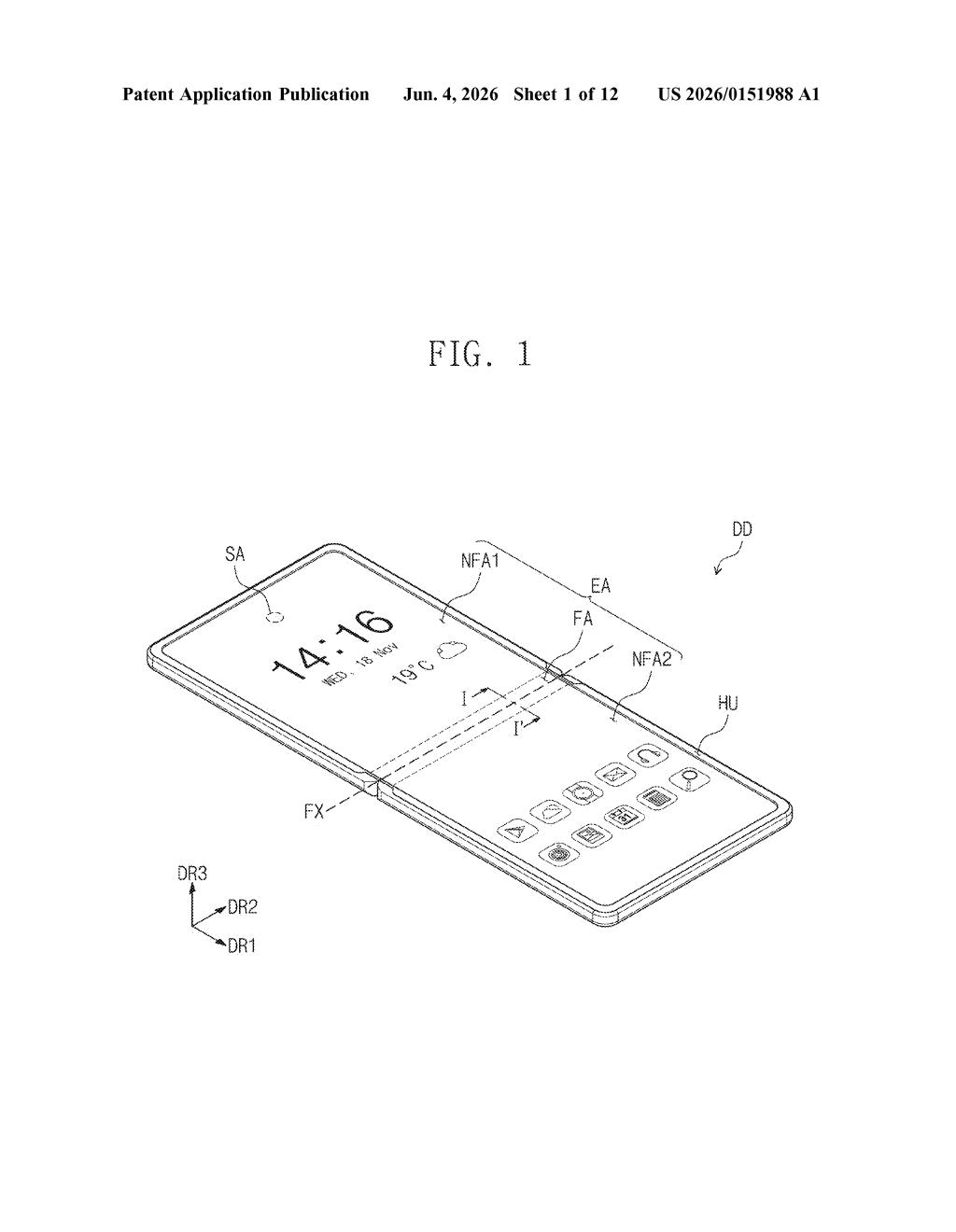
What Samsung's swappable screen coating actually does
Imagine your phone screen gets scratched up after a year of use. Right now, fixing that usually means replacing a big chunk of the display assembly — expensive, wasteful, and often not worth doing on older devices. Samsung's new patent describes a smarter layering system that lets you swap just the protective outer coating while leaving the glass completely untouched.
The secret ingredient is a special polymer sandwiched between the glass and the protective layer. At room temperature, that polymer bonds tightly to the protective coating on top. But heat it up, and the polymer's surface chemistry flips — it becomes slippery and releases the coating. Cool it back down, and it's ready to grab onto a fresh protective layer.
The practical result: a display that's designed from the ground up to be repaired in layers, not replaced wholesale. That's a meaningful shift in how phone and tablet screens could be serviced.
How heat triggers the polymer layer to release its grip
The patent describes a four-layer sandwich structure for a display window:
- Glass substrate — the rigid base that doesn't change
- Polymer layer — the temperature-responsive middle layer that controls adhesion
- Adhesive layer — sits between the polymer and the protective top coat
- Protective layer — the outer surface that takes scratches and damage
The polymer layer is the core innovation. It's built from a thermally responsive polymer — a material whose surface changes from hydrophilic (water-attracting, sticky) to hydrophobic (water-repelling, slippery) as temperature rises. This is sometimes called an LCST-type behavior (Lower Critical Solution Temperature — basically a phase transition triggered by heat).
To replace a damaged protective layer, a technician heats the polymer past a threshold temperature. The surface chemistry flips, adhesion drops, and the protective layer peels off cleanly. The polymer is then cooled back down, restoring its sticky surface, and a new protective layer is bonded on top.
The polymer itself is specifically described as having a main carbon chain with both acrylic acid groups and amide groups attached — the combination that enables this reversible hydrophilic-to-hydrophobic switch.
What this means for cracked-screen repair costs
Right now, screen damage is an all-or-nothing repair scenario for most people. Even a surface-level scratch often forces a full display panel replacement because the protective layer isn't designed to come off. Samsung's approach separates the replaceable part from the structural part at the material-chemistry level — making targeted repair genuinely viable.
The broader implication is for repairability and right-to-repair momentum in the industry. If a display is designed so that its outermost protective layer can be swapped in a controlled way — potentially in a retail store or service center — the cost and waste of screen repairs could drop significantly. This is especially relevant for foldable displays, where the outer protective film on devices like the Galaxy Z Fold series is already a known weak point.
This is genuinely interesting materials engineering, not just a patent-filing formality. The thermally reversible adhesion chemistry has real practical payoff — especially for Samsung's foldable line, where the soft outer coating scratches embarrassingly easily and has been a persistent complaint. Whether Samsung can make this work at scale and at the temperatures safe for display electronics is the real question, but the underlying concept is sound.
There are more where this came from
We read every patent application Big Tech publishes and send you the ones worth knowing. Plain English, free, every week.
Want this weekly breakdown for a company we don't cover? Patentlyze Pro →