
Samsung Patents a System That Auto-Corrects Uneven Dual Speakers
When the two speakers on your phone don't output the same volume, audio sounds lopsided — and Samsung wants the device to fix that automatically, without you ever opening the settings app.
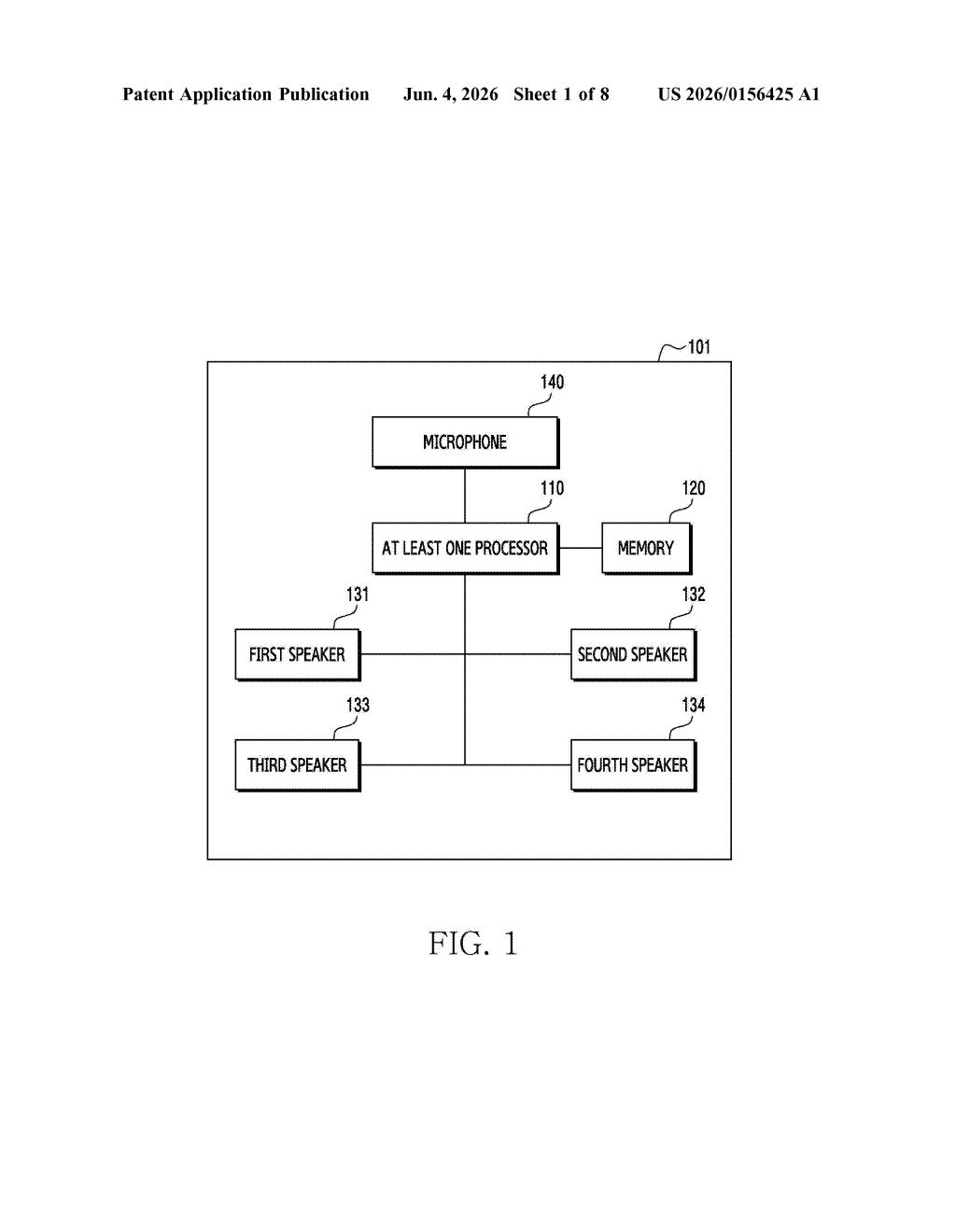
What Samsung's speaker auto-balancing actually does
Imagine you're watching a video on your phone with the screen horizontal. The speaker on the left sounds noticeably louder than the one on the right, and the audio feels slightly off-center. You've probably noticed this at some point — it's a real and common issue with dual-speaker devices.
Samsung's patent describes a system that monitors both speakers in real time, comparing how loud each one actually is across different frequency ranges (think: bass vs. treble). If the difference between the two exceeds a set threshold, the device automatically calculates a calibration value and adjusts one speaker's volume up or down to bring them back into balance.
The fix happens automatically, so you don't have to dig through audio settings or even notice the problem. The device just quietly keeps things even.
How the calibration system measures and corrects the gap
The patent describes an electronic device — most likely a phone or tablet — with two speakers and a processor that continuously tracks their output levels.
The core mechanic works in three steps:
- Monitor: The processor measures the volume output from each speaker across at least two defined frequency ranges (e.g., low-frequency bass and higher-frequency mid/treble bands).
- Compare: It calculates the output difference between the two speakers and checks whether that gap exceeds a reference value — a preset threshold for what counts as a meaningful imbalance.
- Correct: If the gap is too large, the system derives a calibration value and applies it to raise or lower the volume on one of the speakers until balance is restored.
The use of multiple frequency ranges matters here: a speaker might perform evenly in the bass but drift louder in the treble, or vice versa. Checking both gives the system a more complete picture of the actual imbalance rather than just comparing average loudness.
The patent doesn't specify whether the calibration is purely software-based (digital signal processing) or involves hardware-level adjustments, but the framing suggests it's handled in firmware running on the device's processor.
What this means for Galaxy phones and tablets
Dual-speaker setups are standard on most modern Galaxy phones and tablets, and small acoustic imbalances — caused by manufacturing variation, speaker aging, or physical damage — are genuinely common. Today, the only fix is manual: hunting for a balance slider in the accessibility settings or just living with it.
If Samsung ships this, the device would handle that correction invisibly and continuously. That's a real quality-of-life improvement for media consumption, especially on larger tablets where the left-right speaker gap is more noticeable. It's also a potential differentiator in Samsung's accessibility story, since audio imbalance is a documented issue for users with hearing differences who rely on stereo separation.
This is a quietly useful idea solving a real problem that most users just tolerate. It's not flashy IP, but automatic speaker calibration is the kind of polish feature that shows up in reviews as 'audio just sounds right' — and that's worth something.
There are more where this came from
We read every patent application Big Tech publishes and send you the ones worth knowing. Plain English, free, every week.
Want this weekly breakdown for a company we don't cover? Patentlyze Pro →