
Apple Patents a System for Automatically Switching Between Private LTE Networks
Most iPhone users have never heard of CBRS — but the companies deploying private LTE networks in warehouses, hospitals, and stadiums absolutely have. Apple's new patent tries to make iPhones smarter about finding and sticking to those networks automatically.
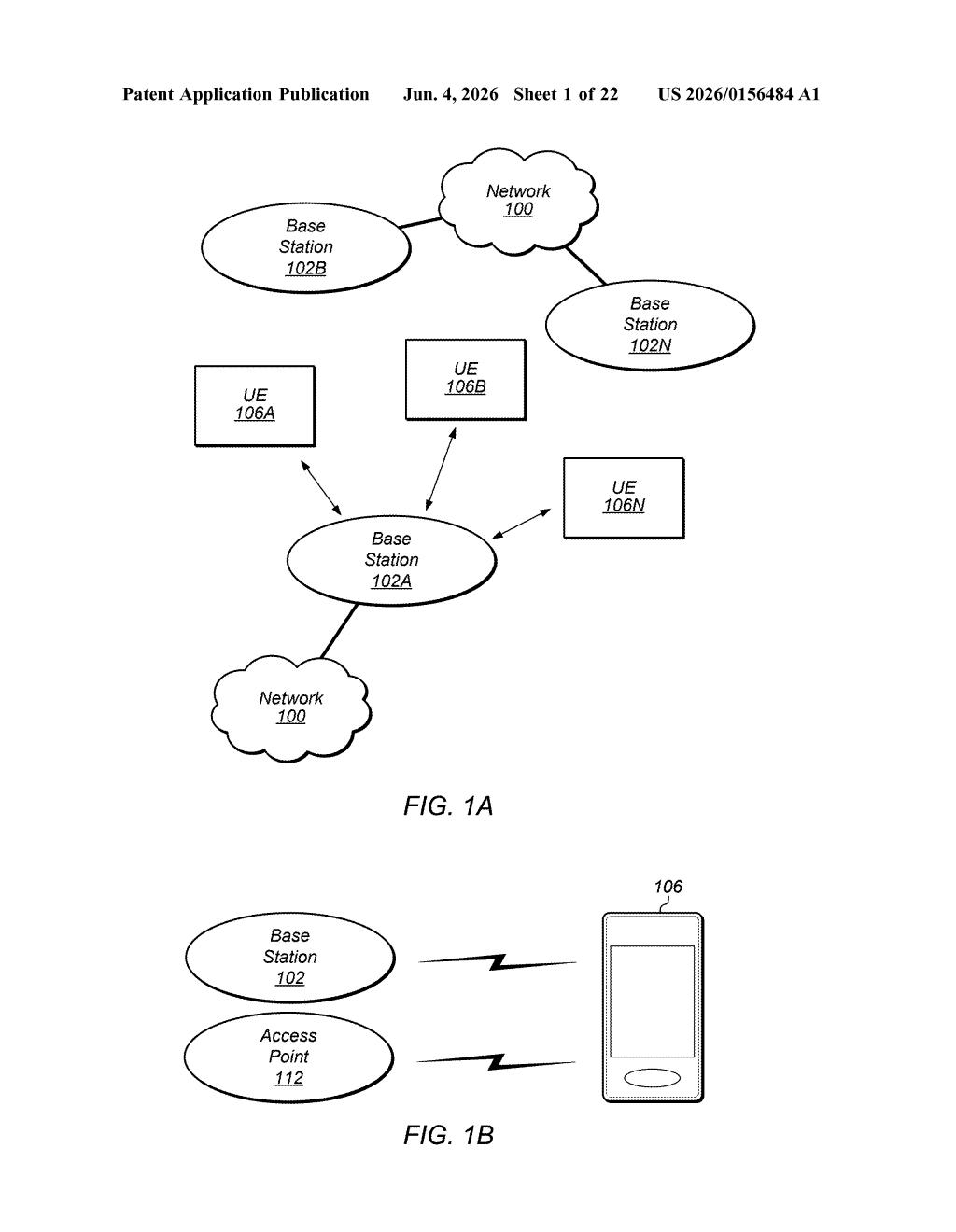
What Apple's automatic CBRS network switching actually does
Imagine your employer sets up a private cellular network inside their warehouse — faster and more reliable than Wi-Fi, running on a chunk of licensed spectrum called CBRS (Citizens Broadband Radio Service). The problem today is that your phone doesn't always know when to jump onto that private network, when to stay on your carrier's signal, or which private network to prefer when there are several nearby.
Apple's patent describes a system where your iPhone manages all of this for you. It monitors conditions like whether you're connected to a known Wi-Fi network, what cellular signal is available, and whether a private CBRS network is in range — then automatically enables or disables the right network profile without you touching a setting.
The patent also addresses a frustrating edge case: your phone constantly flip-flopping between networks as you move around. Apple's approach includes a timeout timer that forces the phone to wait before switching, so it doesn't endlessly ping-pong between your carrier and a private LTE network every time the signal fluctuates slightly.
How the profile selector times out and picks the right CBRS network
CBRS is a shared spectrum band (3.5 GHz in the US) that businesses can license to run private LTE or 5G networks. Think of it as a company-owned cellular network inside a building or campus. Apple's patent covers three layers of network management for devices connecting to these deployments.
Coarse selection handles the big-picture question: should the phone even try to connect to a CBRS network right now? The system evaluates trigger conditions — things like GPS location, Wi-Fi association, or time of day — and uses a tiered hierarchy to decide whether to enable or disable a stored CBRS profile. A timeout mechanism prevents ping-ponging (the phone switching back and forth rapidly), which wastes battery and disrupts active connections.
Fine selection handles which data path to use once CBRS is active. The patent describes slot-switching between a mobile network operator's (MNO) macro cell — your normal carrier signal — and a CBRS eSIM profile, as well as rules for when CBRS should take priority over Wi-Fi.
Multiple CBRS network support tackles the scenario where several private networks are in range. The system uses a Network Identifier (NID) — a unique tag assigned to each CBRS deployment — to distinguish between them, and allows users to set a ranked priority list so the phone always prefers the right one.
What this means for iPhones on private 5G deployments
For enterprise iPhone deployments — think large retailers, hospitals, or logistics companies running their own private LTE networks — this kind of seamless handoff is genuinely important. Today, managing which network profile is active often requires manual intervention or clunky MDM (Mobile Device Management) workarounds. A native OS-level mechanism that handles this automatically would be a meaningful improvement for IT administrators and the employees carrying those devices.
For regular consumers, the impact is less immediate — most people will never connect to a CBRS network. But as private 5G deployments expand into stadiums, airports, and eventually residential communities, the infrastructure to support automatic profile switching becomes increasingly relevant to how you experience connectivity in those spaces.
This is genuinely useful enterprise infrastructure work, not a flashy consumer feature. The timeout-based anti-ping-pong logic alone is the kind of detail that only matters when you've watched phones misbehave at scale in a real deployment. Apple is clearly investing in making iPhones first-class citizens on private cellular networks — which tracks with the broader industry push toward enterprise 5G.
There are more where this came from
We read every patent application Big Tech publishes and send you the ones worth knowing. Plain English, free, every week.
Want this weekly breakdown for a company we don't cover? Patentlyze Pro →