
Apple Patents a System That Pulls Up the Right Info Based on Who's Asking and Where You Are
Imagine someone asks you a question and your iPhone instantly surfaces the exact piece of information they need — without you having to dig through apps. That's the idea behind Apple's latest patent filing.
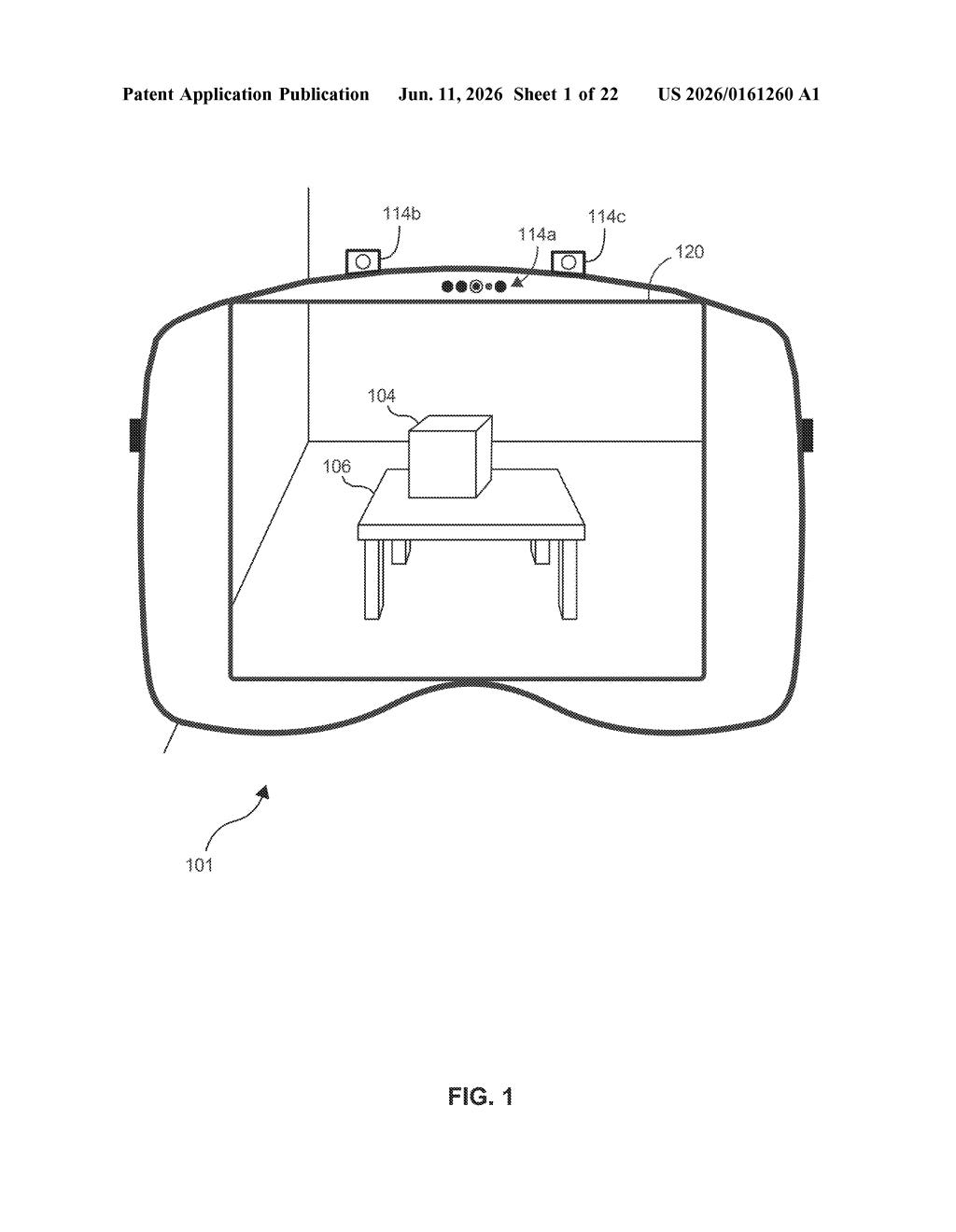
What Apple's context-aware info-sharing actually does
Picture this: you're showing a colleague something in one app, and they ask a quick question — maybe "what time is that meeting?" or "how far away is the restaurant?" Right now, you'd have to swipe out, open a different app, find the answer, and come back. Apple's patent describes a system that handles that switch automatically.
The key idea is that your device pays attention to context — where you are, how the question came in, and what apps are open — and uses that to decide which app's information to show. Ask in one situation and you get your calendar. Ask in another situation and you get your map. The device figures out which is relevant without you having to tell it.
This could apply to questions from another device, from another person nearby, or even from an assistant picking up on something said out loud. The filing is broad, covering everything from typed requests to spoken ones detected through a microphone.
How the device reads context to pick the right app's data
The patent describes a method running on a first electronic device that is actively displaying one app's interface when a request for information arrives from an outside source — another device, another person, or an ambient voice in the room.
Instead of simply staying on the current app or blindly opening a default one, the device evaluates its context. The filing defines context across several dimensions:
- How the request arrived — typed message, voice, a signal from another device
- Environmental context — what the device's sensors (camera, microphone, etc.) are picking up around it
- Which app is in the foreground — what the user was doing at the moment the request came in
Based on that evaluation, the device chooses between two different responses: if it's in Context A, it surfaces information from App B; if it's in Context B, it surfaces information from App C. The mechanism is essentially a conditional routing system — the device maps the incoming request plus the situational snapshot to the most relevant data source.
The patent also describes the device actively capturing environmental context through input devices (microphones, cameras) to detect that a request has even been made in the first place — meaning the system could theoretically respond to overheard questions without the user explicitly invoking anything.
What this could mean for Siri, CarPlay, and shared screens
For everyday users, the practical payoff here is fewer interruptions and less app-switching during conversations — whether you're in a meeting, navigating in a car, or using a shared screen. If this ends up in Siri or a future version of Apple Intelligence, it would make the assistant feel more situationally aware rather than requiring you to spell out exactly what you want and where to find it.
The patent is also notably broad — it covers requests from other devices, which hints at scenarios involving AirPlay, SharePlay, CarPlay, or even Vision Pro. The fact that it covers ambient voice detection means Apple is at minimum thinking about hands-free, always-listening use cases where the device proactively decides what to show rather than waiting to be explicitly told.
This is genuinely interesting groundwork for making Apple's ecosystem feel less like a collection of separate apps and more like a unified assistant that understands what you're doing and who you're talking to. The patent is abstract enough that it could land almost anywhere — Siri, CarPlay, Vision Pro — which makes it hard to pin down, but that breadth is actually a sign Apple is thinking about this as a platform-level capability, not a one-off feature.
There are more where this came from
We read every patent application Big Tech publishes and send you the ones worth knowing. Plain English, free, every week.
Want this weekly breakdown for a company we don't cover? Patentlyze Pro →