
Apple Patent Pairs Devices by Reading Flashes of Light
Instead of typing a PIN or scanning a QR code to connect a new device, Apple is exploring a system where your device simply watches for a pattern of flashing light from whatever you want to pair with. It sounds like something out of a spy film, but the mechanics are pretty straightforward.
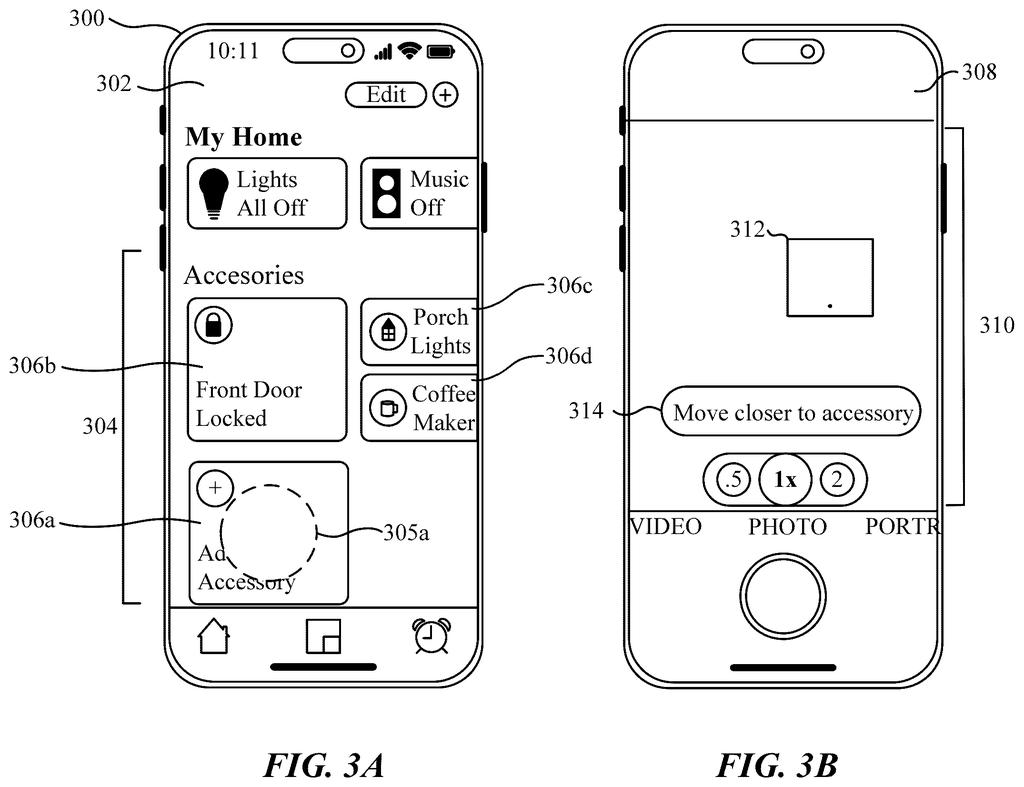
What Apple's light-based pairing actually does
Imagine buying a new Apple accessory and instead of hunting through menus, entering codes, or scanning a QR sticker, your phone just watches it. The accessory flashes a quick pattern of light, your camera or sensor picks it up, and the two devices connect automatically. That's the core idea here.
Apple's patent describes a method where one device asks another to flash a light signal, detects that signal, and then extracts the connection information baked into the specific pattern of flashes. Different light patterns carry different information, so the receiving device knows exactly which device it's talking to and how to connect securely.
This could make pairing headphones, speakers, smart home gear, or any other accessory far less fiddly. No app, no PIN, no awkward Bluetooth menu scanning. You hold the two devices near each other, one flashes, and they're connected.
How encoded light patterns replace pairing codes
The patent describes a two-step process. First, a first communication channel (think Bluetooth, Wi-Fi, or even a wired connection) is used to send a simple request: "hey, flash your light." The second device responds by outputting a light signal.
That light signal is not random. It carries a pattern, and that pattern encodes the actual connection information needed to establish a secure link. The patent specifically covers two distinct light patterns, meaning the system can handle at least two different scenarios or device types from the same basic interaction.
Once the first device detects and decodes the light pattern, it uses the embedded information to connect over a second, separate communication channel (the main data link, like a dedicated Bluetooth or Wi-Fi session). The two-channel approach matters: the light signal itself is the handshake, not the ongoing connection.
The input device doing the detecting could be a camera or a dedicated optical sensor. The light source on the accessory side could be an LED or a screen. The patent is broad enough to cover a range of hardware setups.
What this means for connecting Apple accessories
Pairing accessories is one of those small but persistently annoying experiences. Bluetooth pairing failures, lost PINs, and confusing multi-step setups are common frustrations, especially for people who aren't particularly technical. A light-based system sidesteps most of that friction by making the physical act of pointing your device at something the entire pairing ritual.
This could be especially useful for Vision Pro or other optical-sensor-equipped Apple products, where a camera is always available and "look at something to connect" fits naturally into the interaction model. It also has obvious appeal for smart home accessories, where setup complexity is a known barrier to adoption.
This is a genuinely clever idea for reducing one of the most consistently annoying parts of owning tech accessories. The Vision Pro angle is hard to ignore: a headset that can stare at a device and pair with it just by seeing a light flash is exactly the kind of frictionless interaction Apple has been aiming for with that product. Whether this ships as a consumer feature depends entirely on how much the optical hardware on both ends costs to implement.
There are more where this came from
We read every patent application Big Tech publishes and send you the ones worth knowing. Plain English, free, every week.
The drawings
11 drawing sheets from US 2026/0222064 A1 · click any drawing to enlarge


Want this weekly breakdown for a company we don't cover? Patentlyze Pro →