
Google Patents an AI Assistant That Rewrites Its Memory of You Over Time
Most AI assistants forget everything the moment you close the app — or they remember everything forever, even when it's wrong. Google is patenting a middle path: an AI that actively identifies when its understanding of you has gone stale and rewrites just the parts that need updating.
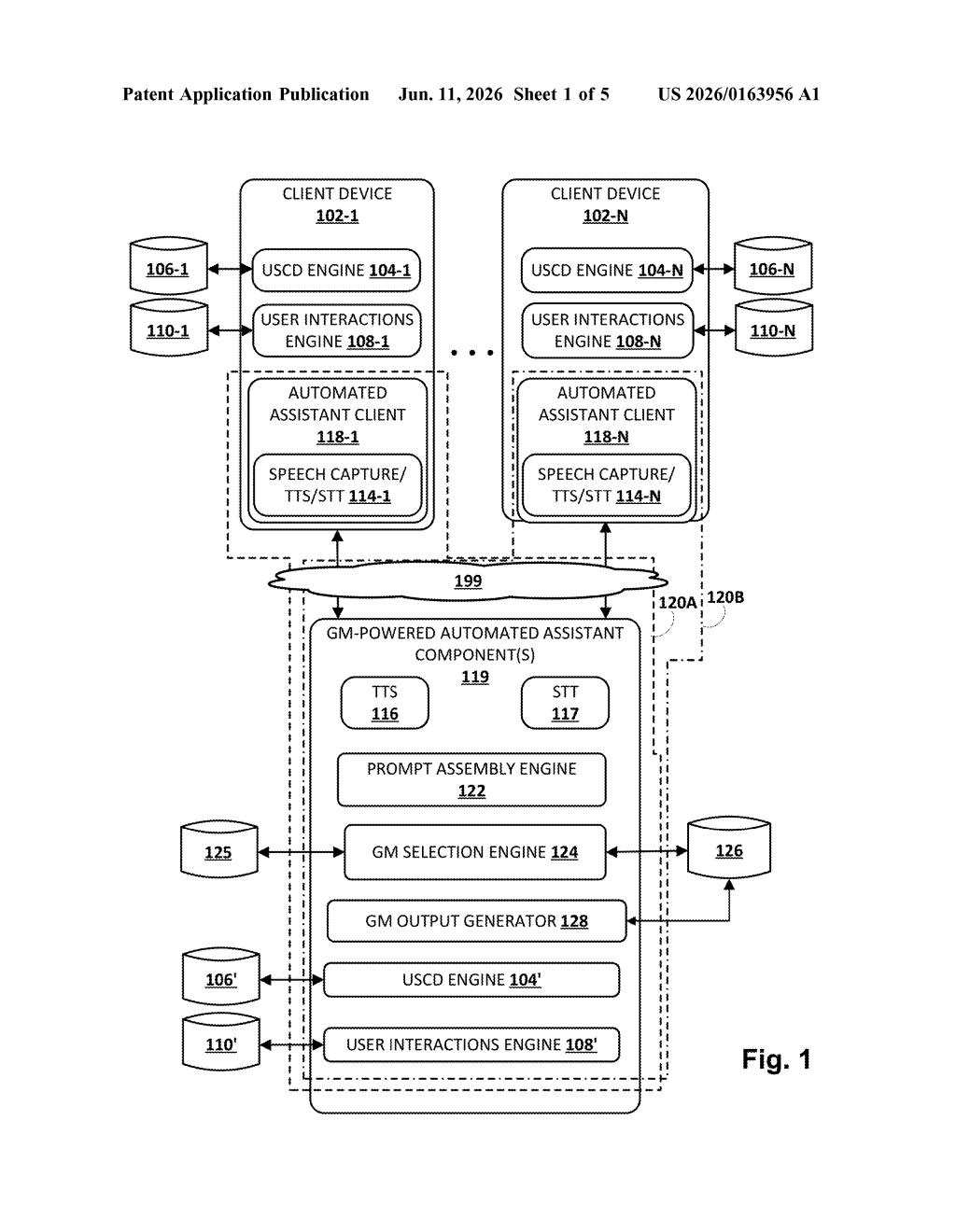
How Google's self-updating AI profile actually works
Imagine you used to ask your Google Assistant for vegan recipes every week. Then you stopped — maybe your diet changed. A typical AI wouldn't notice. It would keep treating you like a vegan indefinitely, or forget everything about your preferences entirely.
Google's patent describes a system that watches what you actually do across your devices over time, builds a personal profile from that behavior, and — crucially — checks whether that profile still matches your recent actions. When it finds a mismatch, it rewrites only the outdated parts, leaving everything still-accurate untouched.
The result is an AI assistant that learns in the same messy, incremental way real people change: not all at once, and not by starting from scratch. Your profile evolves with you, and every future question you ask gets answered by an AI that has a more current picture of who you are.
How the two-prompt system spots and replaces stale data
The patent describes a two-step process driven by a pair of prompts sent to a generative AI model.
Step one — spot the gaps: The system assembles a first prompt that bundles together your existing personal profile (called user-specific conditioning data — essentially a structured summary of your past behavior) alongside your most recent device interactions. The AI reads both and flags whichever parts of your stored profile no longer match what you've been doing lately.
Step two — rewrite only what's wrong: A second prompt is assembled containing just the flagged, out-of-date profile sections and the new interactions. The AI generates fresh replacements for those sections. The rest of your profile stays untouched.
Step three — store and use: The updated profile is saved and loaded automatically the next time you ask the assistant anything, so every future response is conditioned on who you are right now, not who you were six months ago.
The patent specifically covers interactions across
- Computing devices (phones, tablets, laptops)
- Smart home appliances
- Any connected device the user touches
This means the profile isn't just built from chat history — it can pull from a broad behavioral footprint.
What always-on user profiling means for Google Assistant
For everyday users, this patent points toward an AI assistant that stops feeling generic. Instead of re-explaining your preferences every time, or getting suggestions that clearly don't fit your life anymore, the assistant would silently keep pace with how you actually live. That's a meaningful quality-of-life shift if it works as described.
For Google specifically, this is about making Google Assistant (or Gemini in its assistant role) stickier and more accurate without requiring you to manually update any settings. The competitive stakes are real: Apple, Microsoft, and Amazon are all racing toward personalized AI. A system that automatically maintains an accurate, evolving user model — rather than a static or amnesiac one — could be a genuine differentiator.
This is one of those patents that sounds mundane until you think about what the alternative is — an AI that either knows nothing about you or knows the wrong things. Google is essentially patenting a self-correcting memory system, and that's a legitimately useful piece of infrastructure for any AI assistant product. Whether the real-world version respects user privacy adequately is a separate question, and a serious one.
There are more where this came from
We read every patent application Big Tech publishes and send you the ones worth knowing. Plain English, free, every week.
Want this weekly breakdown for a company we don't cover? Patentlyze Pro →