Latest AI recommendation patents, Page 7
The ranking engines that decide what you see next: feeds, ads, product picks, and personalization. These filings show how attention gets engineered.
- in the Nov 19 release
- 5
- in November so far
- 10
- filings tracked
- 91
- last 90 days
- 43
Recent filings
Newest first · 91 total-
Disney · Published Jun 11
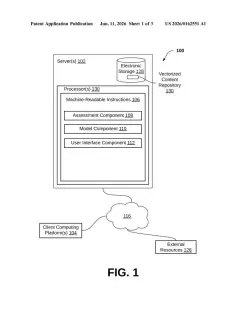
Disney Patents an AI Tutor That Builds Lessons Around Your Favorite Stories
What if a quiz about fractions came wrapped in Star Wars lore, or a reading comprehension lesson used Frozen dialogue? Disney has filed a patent for exactly that kind of AI-powered personalized tutoring system.
-
Apple · Published Jun 11
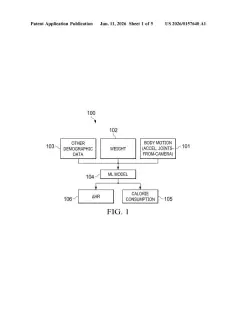
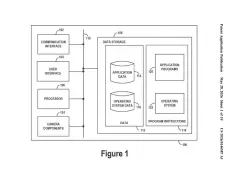
Apple Patents a Fitness Tracker That Reads Your Muscle Mass Through a Camera
Most fitness apps treat a 130-pound marathon runner and a 130-pound powerlifter as identical. Apple's latest patent filing wants to change that by feeding your actual muscle mass into the workout math.
-
Google · Published Jun 4
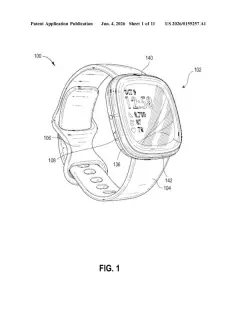
Google's New Patent Teaches Your Watch to Link Your Body Signals to Your Mood
Google is patenting a feedback loop that watches your body, asks how you feel, and gradually builds a personalized model linking the two — or confirms that no link exists at all.
-
Amazon · Published Jun 4
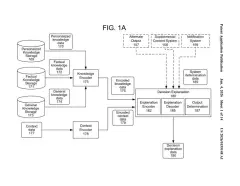
Amazon Patents a System That Makes Its AI Explain Its Own Decisions
Ever wonder why Alexa recommended something or gave you a specific answer — and wish it would just tell you? Amazon has filed a patent for exactly that: a system that generates plain-English explanations of why an AI reached the conclusion it did.
-
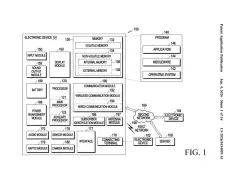
Samsung · Published Jun 4
Samsung Patents an AI System That Picks Your Split-Screen Partner App
Samsung wants your phone to stop making you dig through app lists every time you want to multitask — an AI model would just suggest the most logical second app the moment you open your recents screen.
-
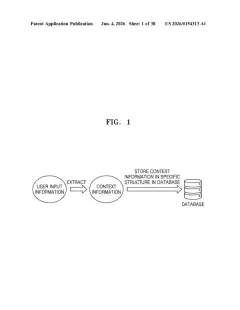
Samsung · Published Jun 4
Samsung Patents a Self-Updating Database That Reads Between the Lines of Your Inputs
Most personalization systems only learn from what you explicitly tell them. Samsung's latest patent describes a database that also picks up on the things you didn't say.
-
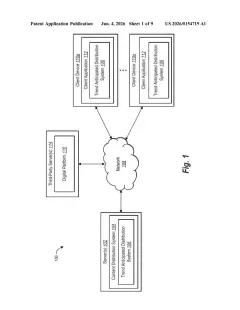
Adobe · Published Jun 4
Adobe Patents a System That Uses Influencer Posts to Predict Product Demand
Adobe wants to watch what influencers post across social platforms, match those posts to product catalogs, and automatically route ads to audiences before demand peaks — all without a human media buyer in the loop.
-
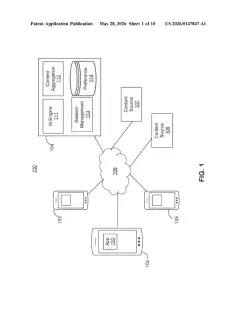
Meta · Published May 28
Meta Patents a Shared Social Media Session That Merges Two Users' Feeds in Real Time
Imagine scrolling through Instagram or Facebook with a friend — and the feed adapts to both of you at the same time, not just one of you. That's exactly what Meta is patenting.
-
Google · Published May 28
Google Patents an ML System That Reads Wind Farm Charts to Forecast Power Output
Instead of feeding raw sensor data into a forecasting model, Google's patent describes turning a wind farm's performance history into an image — then teaching a neural network to read it like a map.
-
Adobe · Published May 28
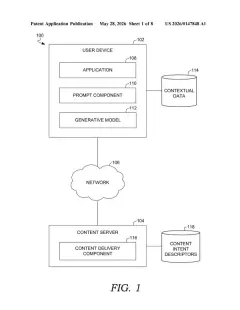
Adobe Patents On-Device AI That Personalizes Content Without Sending Your Data to a Server
Adobe is patenting a system where personalized content — think ads, banners, or creative assets — gets generated directly on your device, using local context that never has to leave your phone or laptop. The server tells your device *what kind* of content to make; your device figures out the personal details on its own.
-
Qualcomm · Published May 28
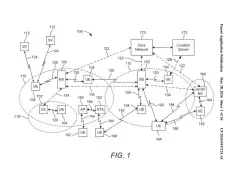
Qualcomm Patents a Neural Network That Fuses GPS with Road Maps
GPS is notoriously unreliable in dense urban canyons — satellite signals bounce off buildings, and your phone thinks you're floating in the middle of a block. Qualcomm's new patent tries to fix that by feeding both raw satellite measurements and road map data into a neural network to figure out where you actually are.
-
Sony · Published May 21
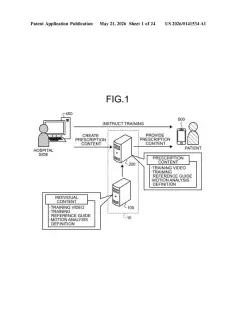
Sony Files Patent for a Configurable Motion-Evaluation Content Generator
Sony is patenting a system that takes a specific 'evaluation perspective' — say, a physical therapist's criteria or a sports coach's checklist — and automatically builds motion-assessment content around it, bundling video and audio into a single personalized package.