
Samsung Patents a Self-Updating Database That Reads Between the Lines of Your Inputs
Most personalization systems only learn from what you explicitly tell them. Samsung's latest patent describes a database that also picks up on the things you didn't say.
What Samsung's implicit-signal personalization actually does
Imagine you ask your phone's AI assistant to 'find me somewhere quiet to work this afternoon.' You never said you're stressed, that you prefer coffee shops over libraries, or that 'this afternoon' means after 2 pm — but those details are all buried in what you typed. Samsung's patent is about building a system that catches those implied signals, not just the literal words.
The idea is a database that updates itself in real time as you interact with your device. Every time you ask a question or give a command, the system pulls out both the obvious facts and the subtler context hiding behind them — then stores all of it so future responses feel more personally tailored to you.
In plain terms: instead of you having to train your AI assistant by filling out a profile, the assistant quietly builds a picture of your preferences just by paying closer attention to how you already talk to it.
How the system extracts context from raw user input
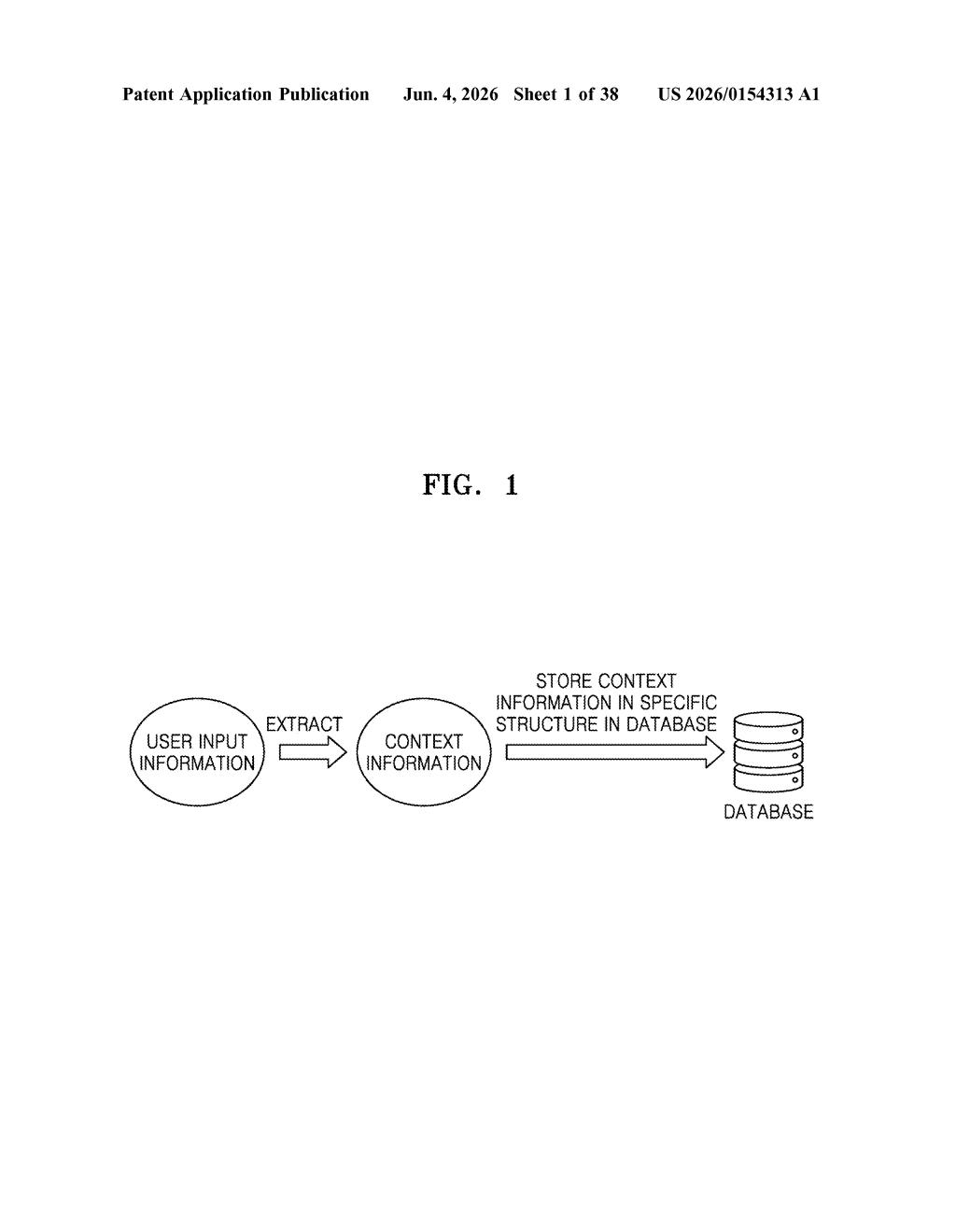
The patent describes a three-step pipeline. First, the device captures user input information — anything you type, speak, or otherwise send to the system. Second, it extracts context information from that input, which includes both explicit facts and what the patent calls implicit information (inferred details not directly stated — think unstated preferences, timing cues, or emotional tone). Third, it writes that context into a dynamic database that gets continuously updated, not just read.
The key technical distinction here is the implicit layer. Most AI personalization pipelines parse what the user said. This system is specifically designed to infer what the user meant or implied, treating that inferred data as a first-class citizen worth storing alongside hard facts.
The database is described as 'dynamic' — meaning it isn't a static profile set once and forgotten. It evolves with every interaction, so the system's model of you drifts closer to reality over time rather than aging out.
The patent doesn't specify the exact inference mechanism (no mention of a particular ML architecture), which keeps the claims broad and the implementation flexible — a common strategic choice in foundational AI patents.
What this means for Samsung's on-device AI ambitions
Samsung is clearly building toward a more capable on-device AI layer — one that doesn't require you to manually configure preferences or repeatedly correct a dumb assistant. A continuously updating, implicit-signal-aware database is the kind of infrastructure that would sit underneath a Bixby successor or a Galaxy AI feature that actually learns your habits without feeling creepy or overbearing.
For you as a user, the practical payoff would be an assistant that gets less annoying over time rather than plateauing after day one. The catch, as always with implicit data collection, is privacy: a database that infers things about you from casual inputs is only as trustworthy as the policies governing where that data lives and who can see it.
This is a foundational infrastructure patent, not a flashy feature announcement — the claim is intentionally broad and doesn't describe a finished product. But the implicit-context angle is genuinely the hard problem in AI personalization, and Samsung filing this now signals they're thinking seriously about it as a core building block for Galaxy AI. Worth watching as a signal of direction, not a product preview.
There are more where this came from
We read every patent application Big Tech publishes and send you the ones worth knowing. Plain English, free, every week.
Want this weekly breakdown for a company we don't cover? Patentlyze Pro →