
Samsung Patents an Air Conditioner That Shuts Off When the Room Is Empty
Your air conditioner has no idea whether you're actually in the room. Samsung wants to fix that with a built-in occupancy sensor that can cut power the moment everyone leaves, or even kick in as a backup when the sensor is switched off.
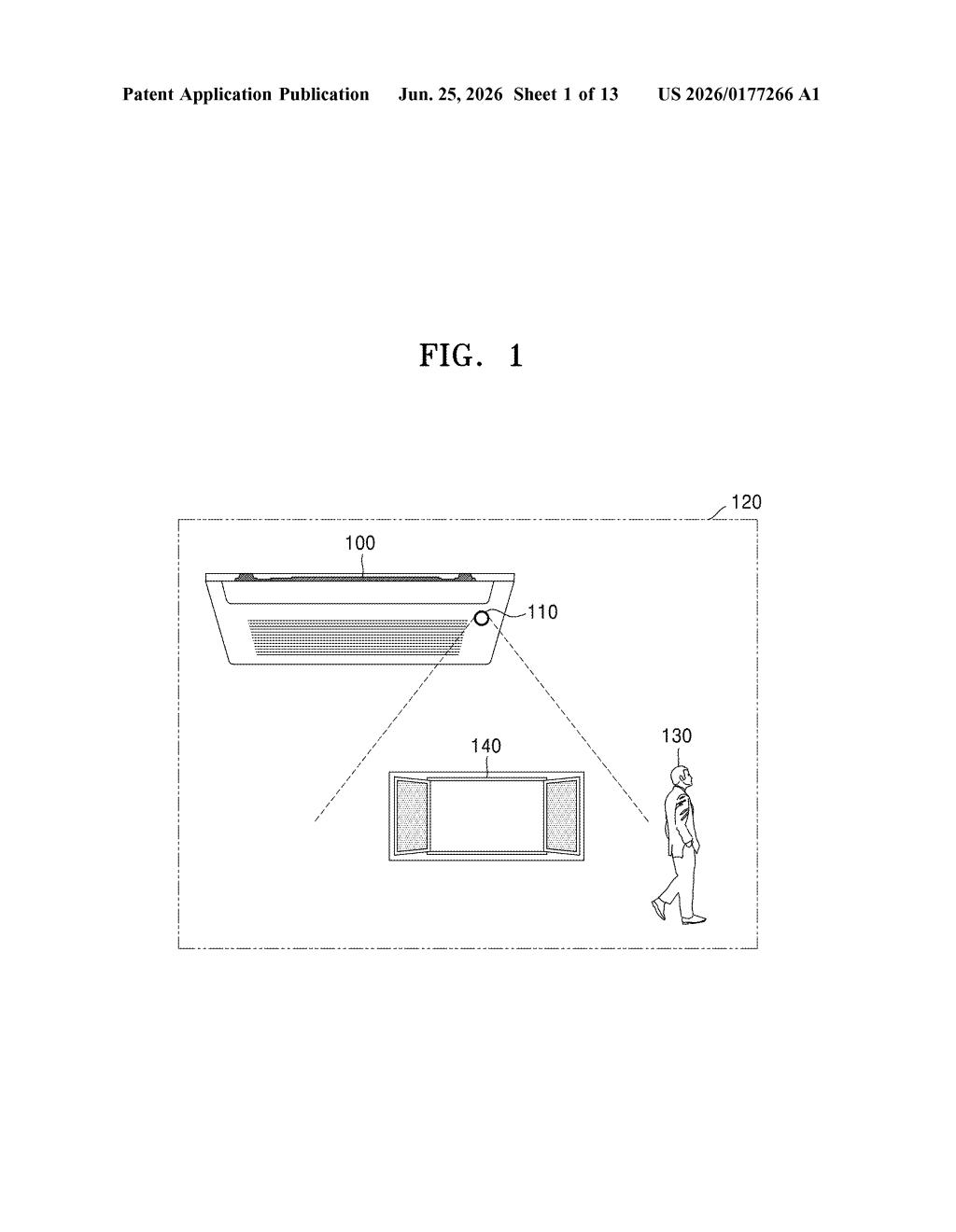
How Samsung's occupancy-based AC shutoff actually works
Imagine you leave a room and forget to turn off the AC. It just keeps running, cooling an empty space for hours. Samsung's patent describes a system designed to prevent exactly that.
The air conditioner includes a sensor that checks whether anyone is in the room. If you have it turned on (what the patent calls "first mode"), the AC watches for signs of occupancy and shuts off once the room has been empty for a set period. Simple enough.
The more interesting part is what happens when you've turned the sensor off. In that case, the AC waits a longer fixed amount of time after you start it, then switches the sensor back on to check whether anyone is still there. If the room is empty, it shuts down anyway. It's a built-in safety net that catches wasted cooling even when you've opted out of automatic detection.
How the two-mode sensor logic decides when to stop cooling
The patent describes an air conditioner with two distinct operating modes, both aimed at the same goal: stopping the compressor when no one needs the cooling.
Mode 1 (sensor active): The detection sensor runs continuously while the AC operates. If no person is detected for a first reference time (a configurable threshold), the system stops the air-conditioning operation. This is the real-time, always-watching approach.
Mode 2 (sensor inactive): The user has chosen to disable the occupancy sensor, perhaps for privacy or to avoid false shutoffs. Here, the AC runs normally until a second reference time elapses from the moment the unit was switched on. The patent specifies that this second timer is longer than the first. Once it expires, the processor re-activates the sensor, runs an occupancy check, and shuts down if the space is empty.
- The detection sensor generates values tied to objects or people in the target space (likely infrared or radar-based, though the patent doesn't lock in a specific sensor type).
- The compressor, which does the actual cooling work, is what gets stopped, not just a fan or display.
- Both modes share the same final decision logic: no person detected means the unit stops.
The key design choice is that Mode 2's longer timer gives users a grace period, so the AC doesn't immediately start scanning after you disable the sensor and leave momentarily.
What this means for AC energy waste at home
Air conditioners are among the biggest energy consumers in a home, and a large share of that consumption happens in empty rooms. A system that reliably shuts off when occupancy ends, even as a fallback when the sensor is disabled, directly reduces that waste without requiring the user to remember to turn the unit off manually.
For Samsung, this fits a broader push to make home appliances more energy-efficient by default, which is increasingly important both for regulatory compliance and for marketing to cost-conscious buyers. If this behavior ships in a future SmartThings-connected AC, you could potentially see the occupancy data feeding into wider home automation routines too.
This is a genuinely practical patent, not a flashy one. The two-mode structure, where the sensor acts as a fallback even when disabled, is a thoughtful design that handles real user behavior. Whether it ships in a meaningful way depends entirely on sensor accuracy; a motion detector that triggers false shutoffs will train users to disable it permanently.
There are more where this came from
We read every patent application Big Tech publishes and send you the ones worth knowing. Plain English, free, every week.
Want this weekly breakdown for a company we don't cover? Patentlyze Pro →