
Samsung Patents a TV That Decides What to Send a Second Screen When Wi-Fi Slows Down
When your home network gets congested, Samsung's patented display system doesn't just drop quality uniformly. Instead, it decides on the fly whether to send full video or a stripped-down version of it to a connected second screen.
What Samsung's network-adaptive display sharing actually does
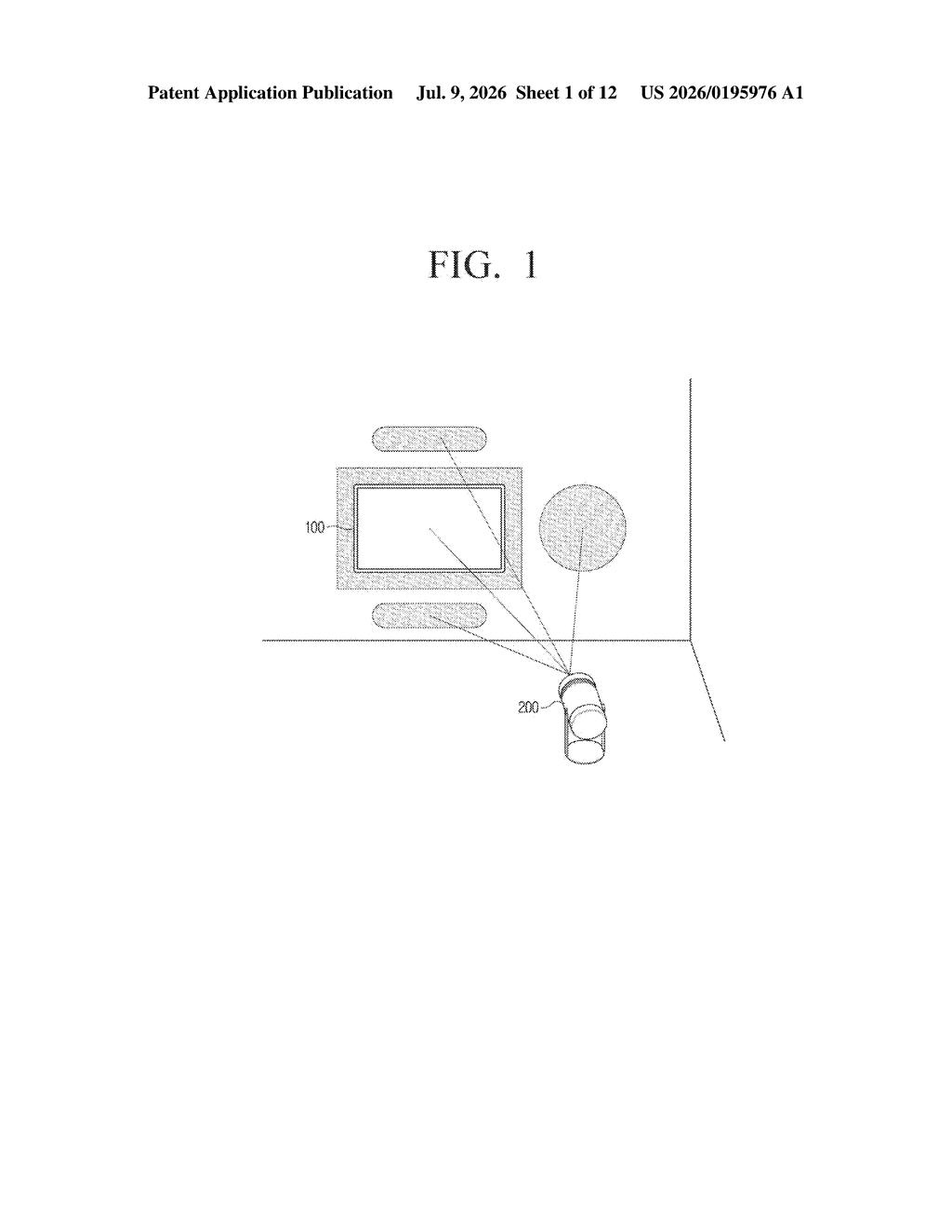
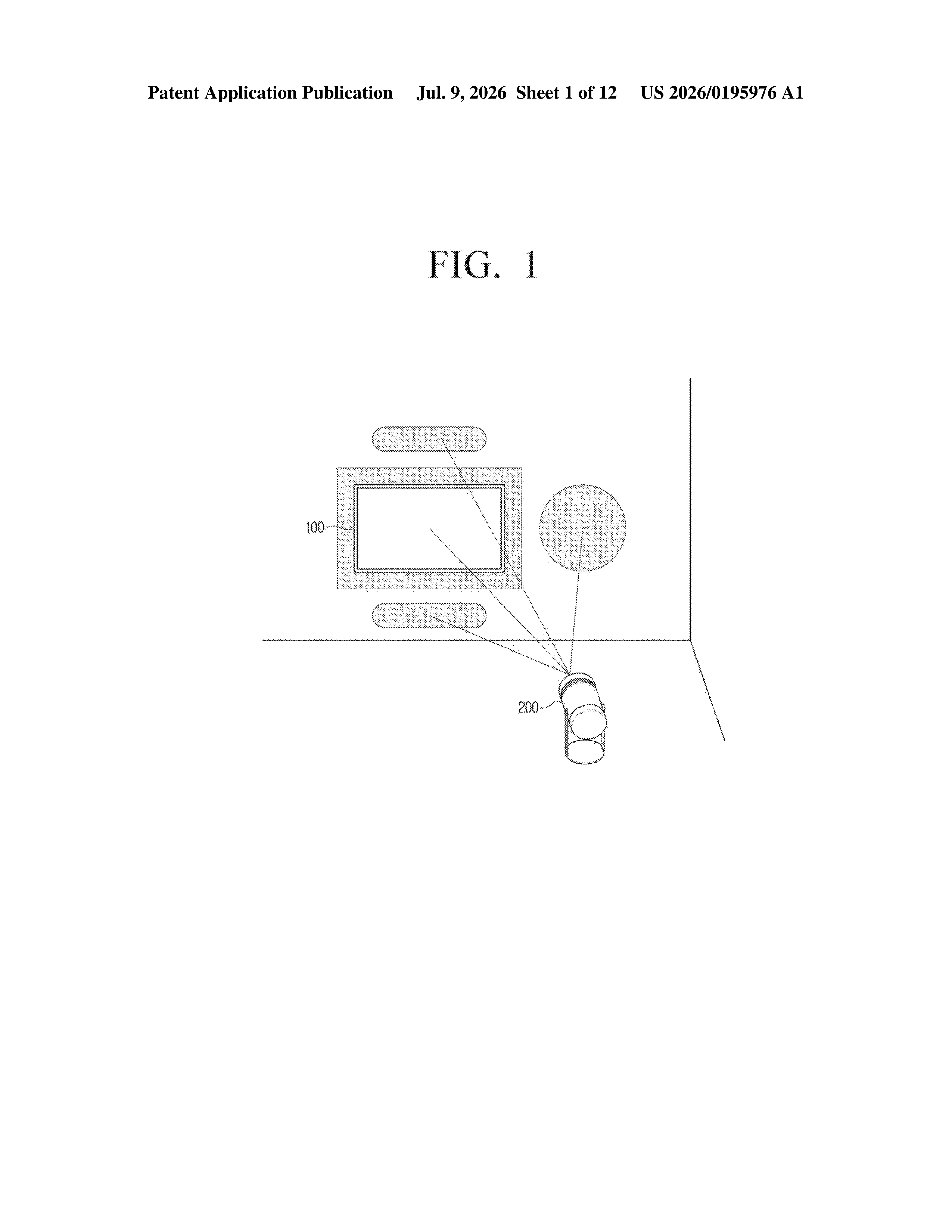
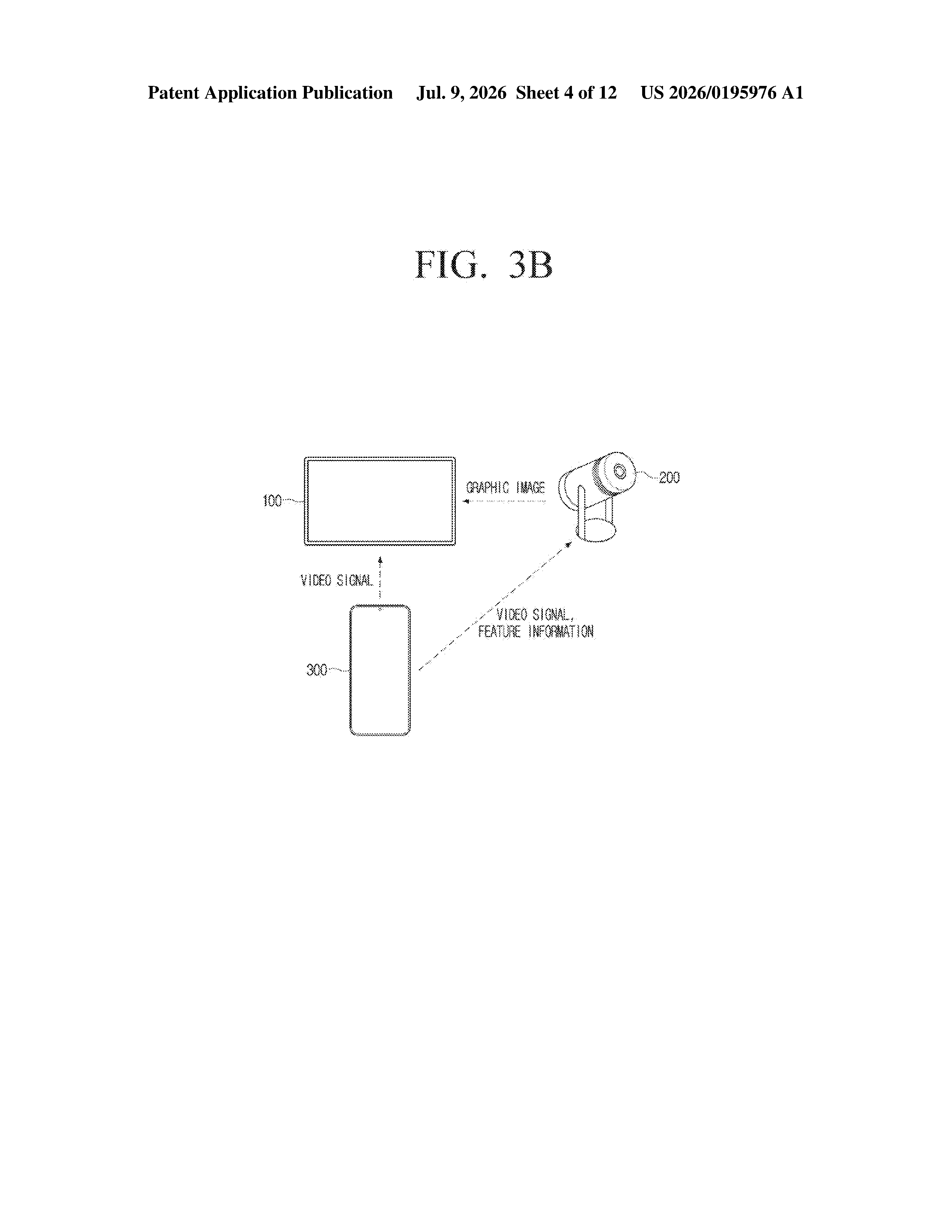
Imagine you have a big Samsung TV playing a movie, and it's also sending that video to a second screen somewhere else in your home, maybe an immersive wraparound display or a second monitor. When your Wi-Fi is running smoothly, the TV sends the full video signal. No problem.
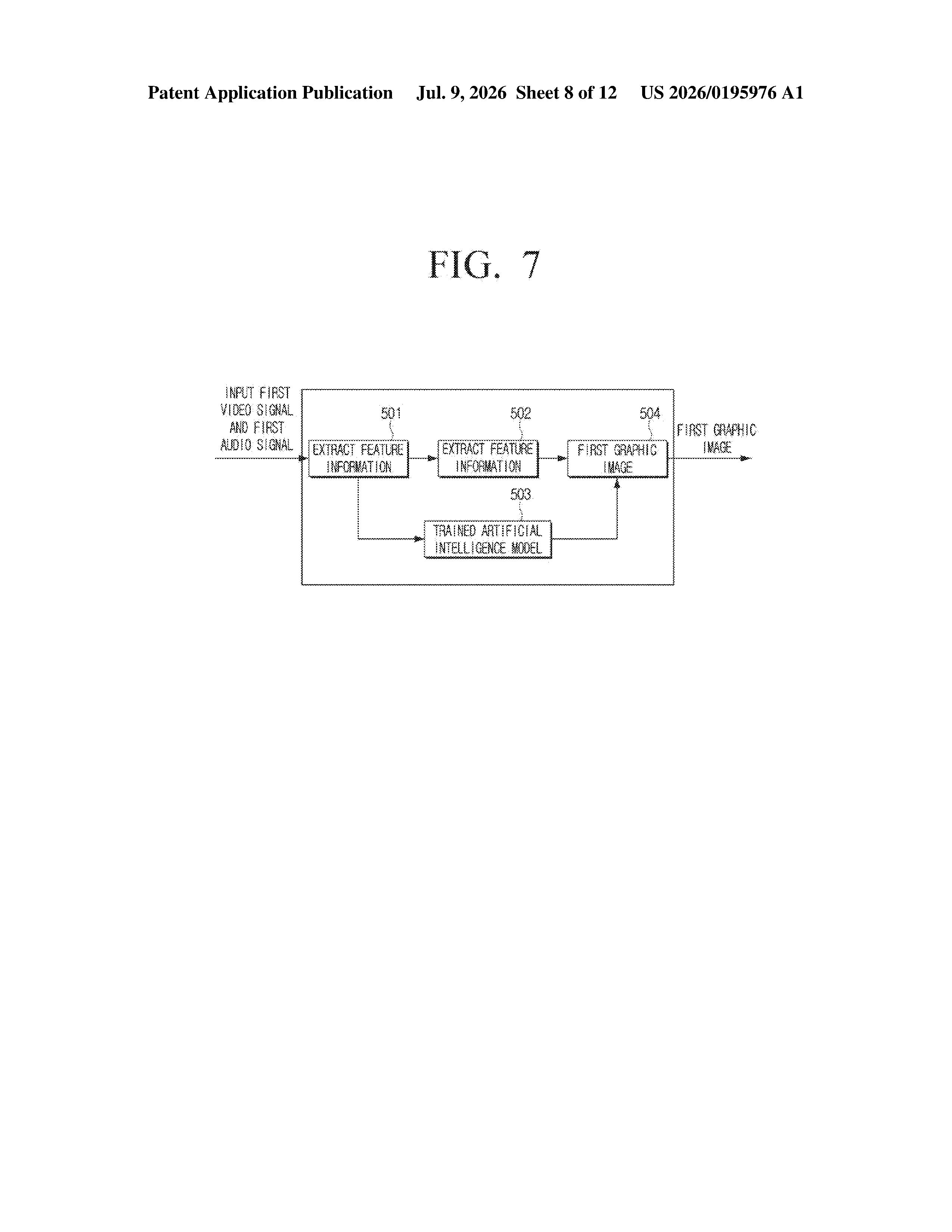
Now imagine your neighbor starts a big download and your network gets crowded. Instead of freezing or dropping the connection entirely, Samsung's system would switch gears. It either sends a compressed, converted version of the video, or it sends just the key visual information (the important features of the picture) so the second screen can do more of the reconstruction work itself.
The result: the second screen stays alive and watchable even when your network is under pressure. You don't have to do anything. The TV figures out the network situation and chooses the right approach automatically.
How the display decides between full video and compressed feature data
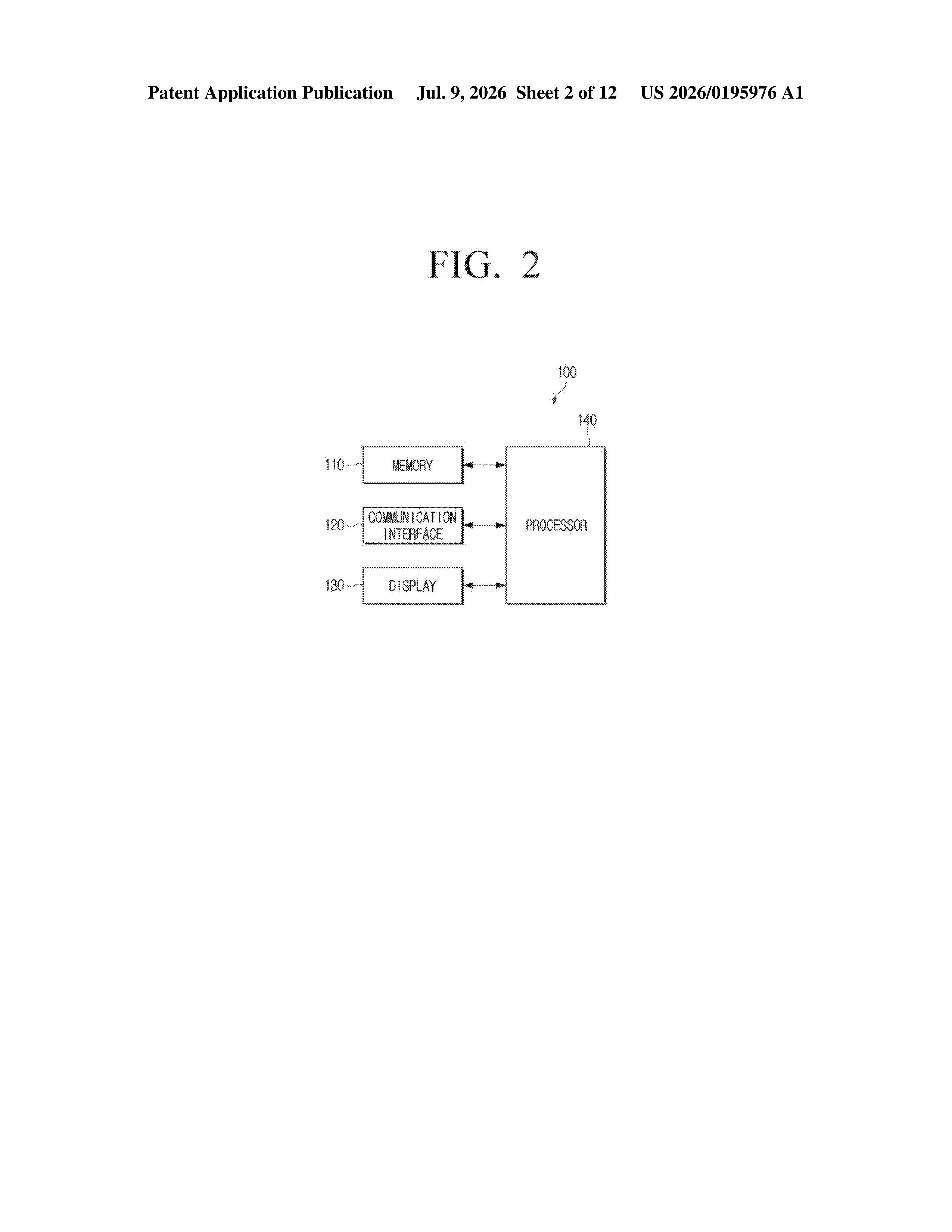
The patent describes a display apparatus (think a TV or monitor) that plays video received from a source device and simultaneously shares that video with an external apparatus, likely a second display in an immersive screen setup.
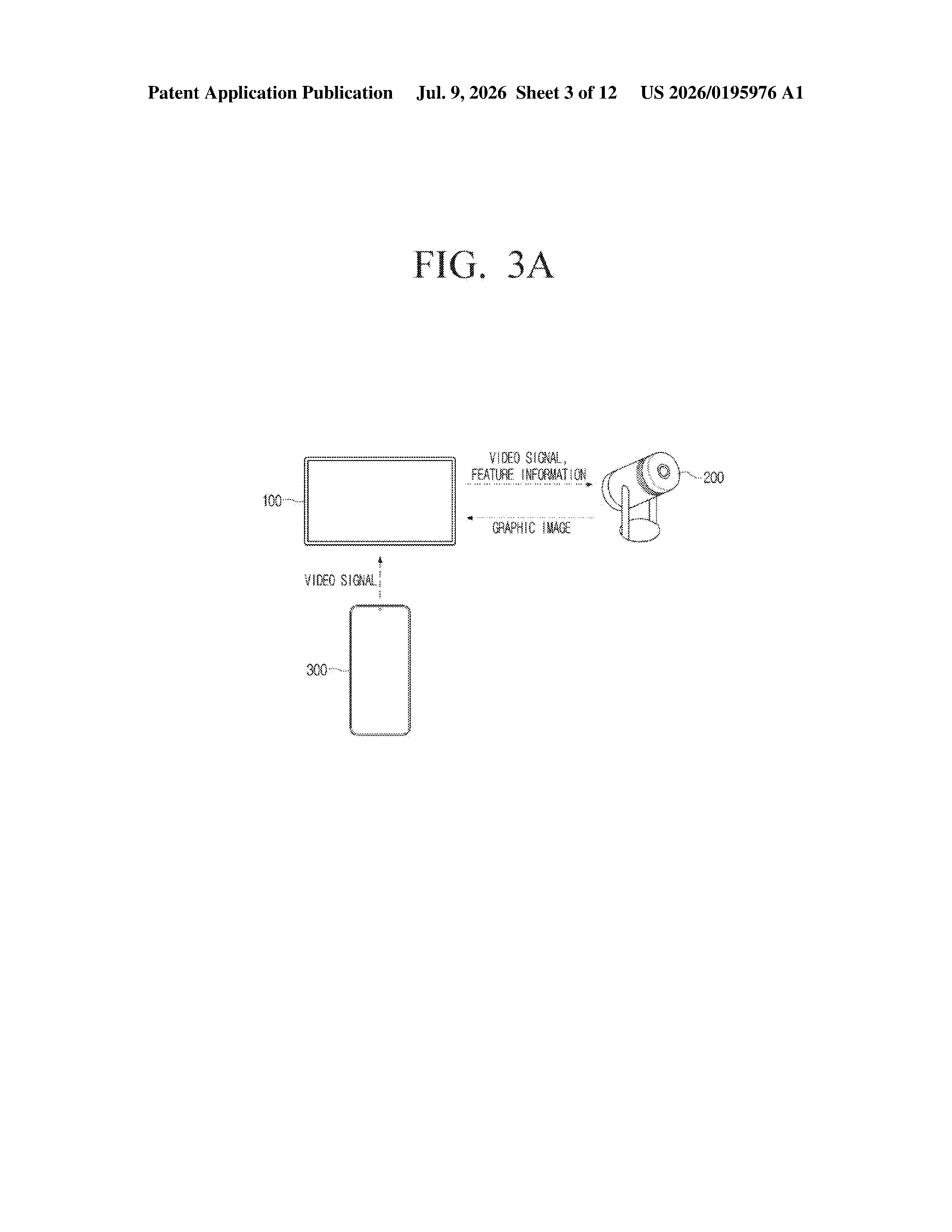
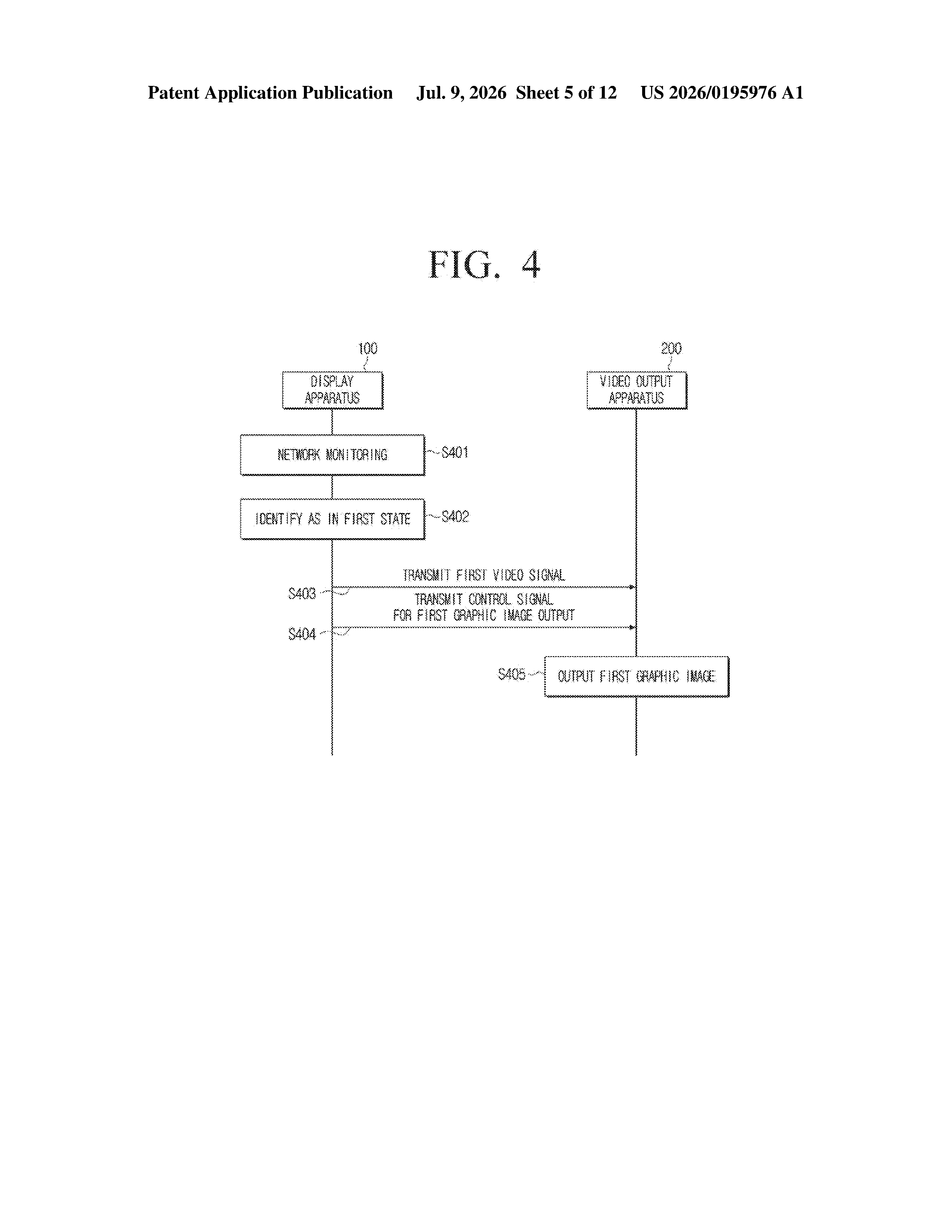
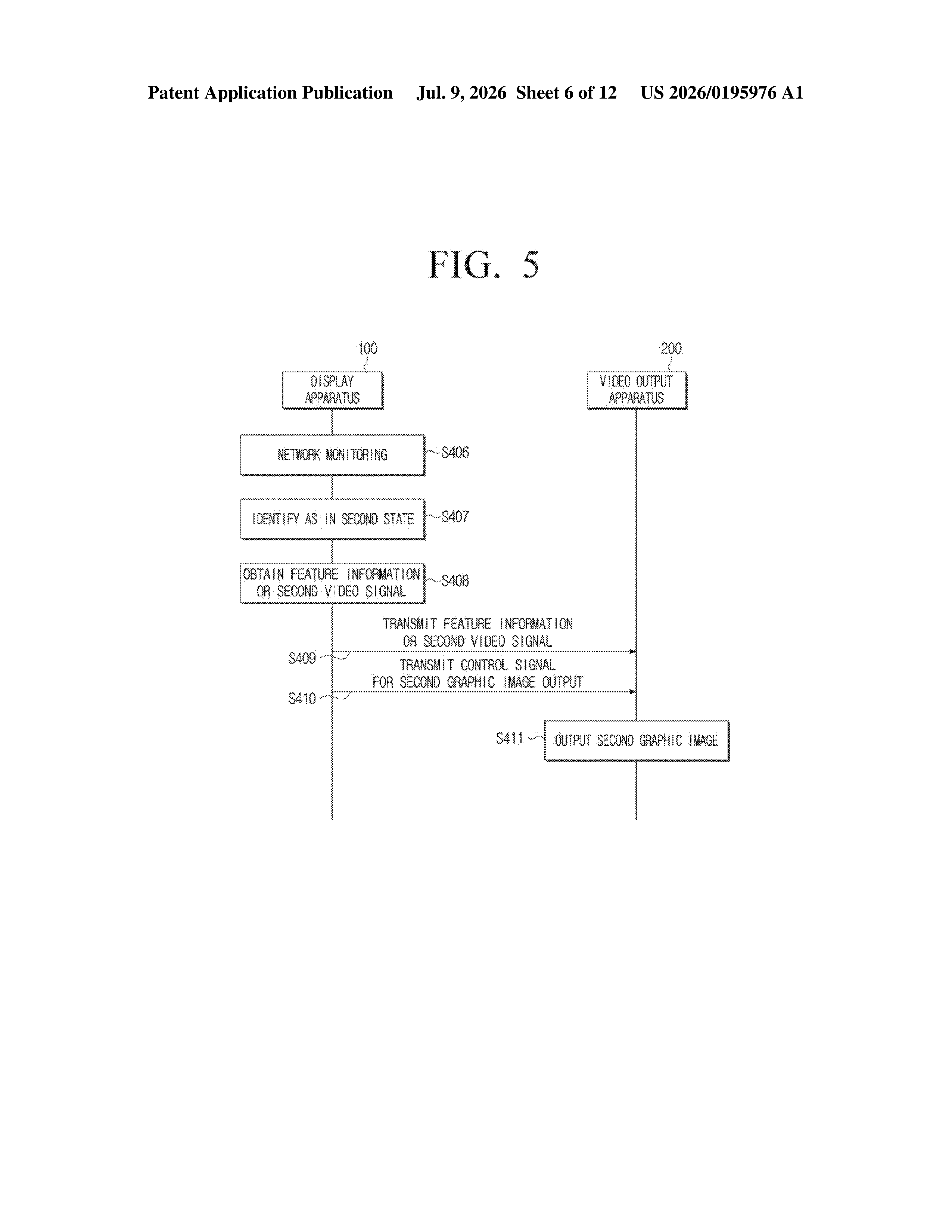
The system continuously checks the network state. When the network is in a "first state" (healthy), it transmits the full, original video data to the external display. When the network drops to a "second state" (congested or degraded), it switches to one of two fallback strategies:
- Feature information: a compact representation of the video's visual characteristics (edges, colors, shapes) that the receiving display can use to reconstruct or approximate the image without the full data stream.
- Converted video data: a re-encoded or downscaled version of the original video, sized to fit within the available bandwidth.
The key engineering idea is that the sending device (the TV) absorbs the intelligence about network conditions and decides which signal type to use. The source apparatus feeding the TV is unaffected. This lets the overall system stay functional across a wide range of connection quality without requiring changes to whatever is playing the original content.
What this means for immersive multi-screen setups
Multi-screen and immersive display setups, where a primary screen shares content with surrounding or secondary panels, are sensitive to network hiccups in a way that single-screen viewing isn't. A dropped or frozen secondary display can break the immersive effect entirely. Samsung's approach gives the primary display a way to degrade gracefully rather than fail outright.
For consumers, this is most relevant if Samsung pursues immersive home theater configurations where a main TV communicates with supplementary screens. For the company, this filing suggests active engineering investment in multi-display ecosystems that need to stay coordinated across unpredictable home networks, without demanding a perfect Wi-Fi signal to work at all.
This is a practical, unglamorous piece of network engineering that solves a real problem: immersive multi-screen setups are fragile when home networks misbehave. The patent's value is in the graceful fallback logic, not in any flashy new display technology. If Samsung ships a true multi-panel immersive display product, this kind of adaptive streaming will be table stakes for making it usable in typical homes.
Get our take in your Top Stories
Liked this breakdown? Add Patentlyze as a preferred source on Google, and our plain-English take shows up more often in your Top Stories the next time Samsung patent news breaks.
There are more where this came from
We read every patent application Big Tech publishes and send you the ones worth knowing. Plain English, free, every week.
The drawings
12 drawing sheets from US 2026/0195976 A1 · click any drawing to enlarge
Want this weekly breakdown for a company we don't cover? Patentlyze Pro →