
Samsung Patents a Chip That Pre-Loads AI Data Before It's Asked For
The slowest part of running AI on a chip is often just waiting for data to arrive from memory. Samsung's new patent describes a chip design that tries to solve that by predicting what data an AI model will need — and grabbing it ahead of time.
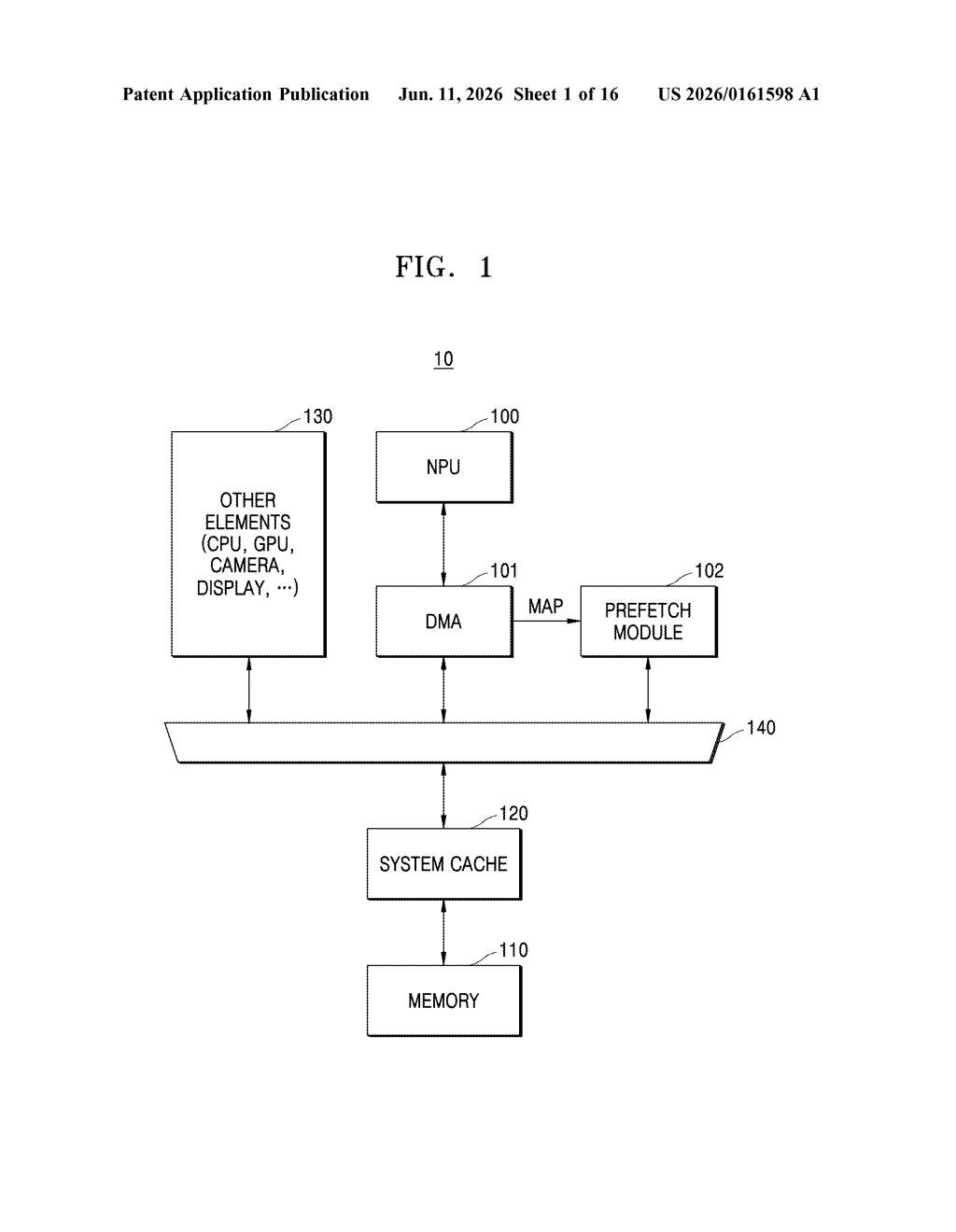
What Samsung's AI data pre-loading chip actually does
Imagine a chef who, instead of waiting until a recipe calls for an ingredient, reads ahead and pulls everything out of the fridge before it's needed. That's essentially what Samsung is patenting here — but for AI chips.
When an AI model runs on a chip, it constantly fetches chunks of data from memory. Normally, it waits until it actually needs a piece of data before going to get it. Samsung's design lets the chip predict which data is coming next — based on the pattern of how AI calculations tend to unfold — and fetch it in advance into a fast, nearby cache.
The result is that when the AI actually needs that data, it's already sitting close by and ready to go — no waiting. This kind of prefetching is a well-known trick in computing, but applying it specifically to neural network workloads on a single integrated chip is the angle Samsung is staking out here.
How the accelerator predicts and pre-fetches memory data
The patent describes a system-on-chip (SoC) — a single piece of silicon that bundles multiple computing components together — built around three key parts working in concert:
- An accelerator: the AI-specific processor that runs neural network calculations. It does two things simultaneously — asks for data it needs right now (a "demand request") and predicts data it will need soon (a "prefetch request"), based on the memory access pattern typical of the neural network it's running.
- A memory controller: the traffic manager that handles fetching both types of data from main memory and routing them appropriately.
- A system cache: a fast, on-chip holding area that stores both the immediately needed data and the pre-loaded data, so the accelerator can grab either without going all the way back to slow main memory.
The key insight is that neural networks follow predictable data access patterns — the sequence of weights and inputs a model reads is largely determined by its architecture. The accelerator exploits that predictability to issue prefetch requests before the demand arrives, keeping the cache stocked and the processor fed.
What this means for on-device AI processing speeds
Memory bandwidth — how fast a chip can pull data in — is one of the biggest bottlenecks in AI processing today. When a chip sits idle waiting for data, you're burning time and power for nothing. Prefetching is a direct attack on that idle time, and doing it at the SoC level means it works without any software changes from developers.
For Samsung, this fits squarely into its push to make its Exynos chips — and potentially its DRAM and SSD products — more competitive in the on-device AI race. A chip that wastes less time waiting is a chip that completes AI tasks faster and with less energy, which matters a lot on a smartphone or a wearable where battery life is always the constraint.
This is solid, unglamorous chip engineering — the kind of work that doesn't make headlines but shows up in benchmark scores and battery life graphs. Prefetching for AI workloads is a real problem worth solving, and Samsung filing this suggests it's baking the idea into future Exynos silicon rather than leaving it to software. It's worth tracking, but don't expect a splashy product announcement tied to it.
There are more where this came from
We read every patent application Big Tech publishes and send you the ones worth knowing. Plain English, free, every week.
Want this weekly breakdown for a company we don't cover? Patentlyze Pro →