
IBM Patents a System That Scores Your Video Call Setup and Tells You What to Fix
IBM wants your laptop to tell you that your webcam angle is hurting your meetings — and back it up with data.
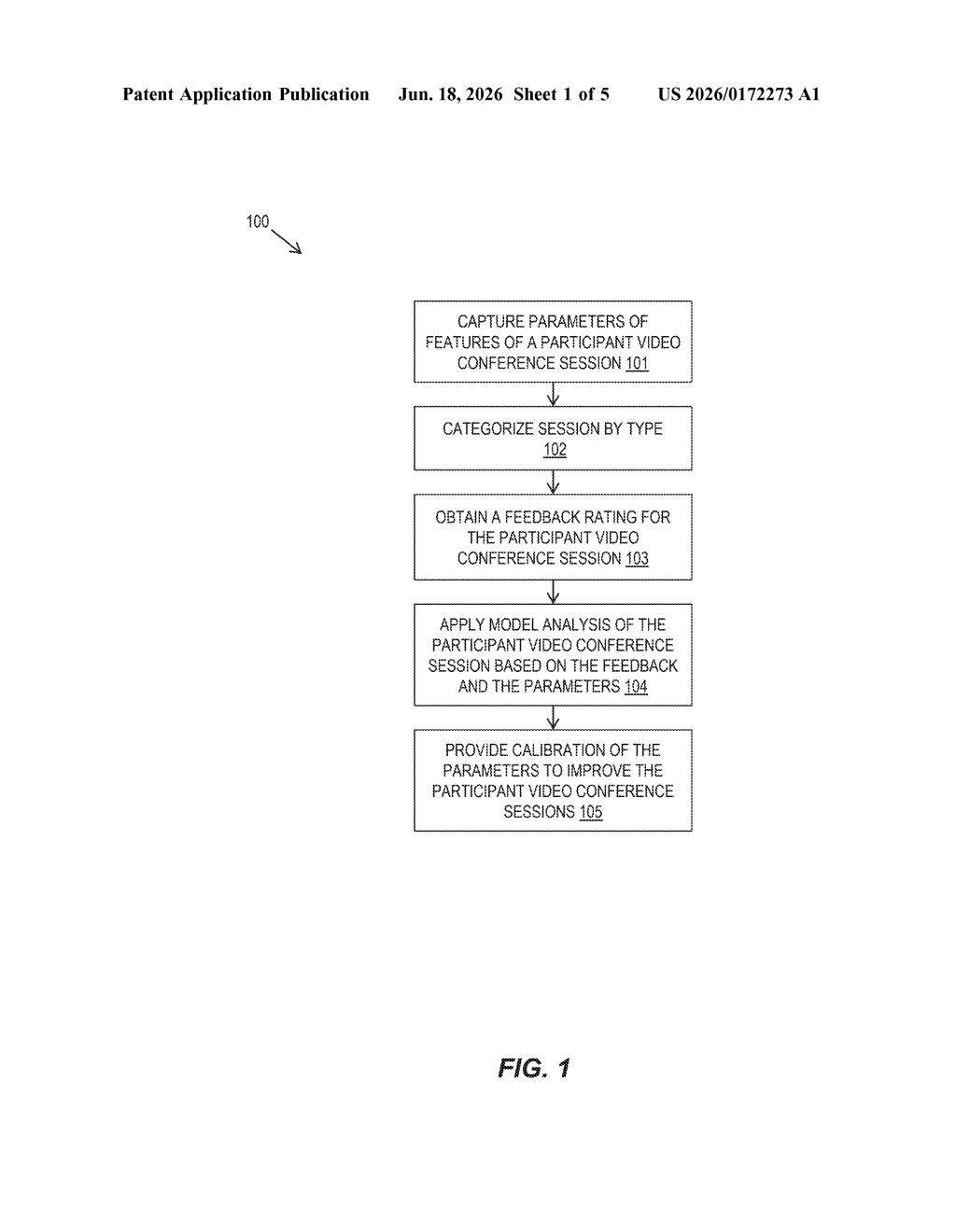
What IBM's video call coaching system actually does
Picture this: you finish a video call, your colleague gives it a low rating, and instead of just shrugging, your computer tells you exactly why — your lighting was off, your camera was too low, or your background was distracting.
That's the idea behind this IBM patent. It tracks the physical setup of your video call — things like camera position, lighting, and room configuration — then matches those details against feedback ratings from the people on the call. Over time, a model figures out which parts of your setup are dragging down your sessions and gives you specific suggestions to improve them.
Think of it like a fitness tracker, but for your home office. Instead of counting steps, it's measuring whether your setup is actually helping you come across well on camera — and nudging you to make changes that real call data suggests would help.
How the model links your setup to call quality scores
The system works in three stages. First, it captures parameters — measurable details about the physical setup of a participant's video conference environment. This includes things like camera angle, room lighting, microphone placement, and background conditions.
Second, it collects feedback ratings from the session itself — presumably from other participants or from some post-call survey mechanism — giving the system a ground-truth signal about how well the session went.
Third, it runs model analysis (a statistical or machine-learning process that looks for patterns between inputs and outcomes) to produce a session effectiveness score. That score ties specific physical setup variables to the quality ratings the session received.
From there, the system generates calibration suggestions — concrete recommendations about which parameters to change and how. The goal is to close the loop: gather setup data, measure real-world outcomes, and then translate that into actionable advice for the participant going forward.
What this means for remote workers and IT teams
Remote work has made video calls a daily fixture for millions of people, but most workers have never received any structured feedback on their physical setup. This patent points toward a system that could change that — turning vague impressions like "your audio was bad" into specific, fixable instructions.
For enterprise IT departments, this kind of tool could also help standardize call quality across large organizations, flagging common setup problems before they become chronic complaints. Whether IBM builds this into a standalone product or folds it into an existing collaboration platform, the underlying idea — using real meeting feedback to coach individual setups — addresses a problem that hasn't been solved well yet.
This is a tidy, practical idea rather than a flashy one. The core concept — connecting physical setup variables to actual call quality ratings — is genuinely useful, and it's surprising nobody has shipped a polished version of it yet. The patent itself is fairly broad, which means IBM is staking out territory more than revealing a finished product.
There are more where this came from
We read every patent application Big Tech publishes and send you the ones worth knowing. Plain English, free, every week.
Want this weekly breakdown for a company we don't cover? Patentlyze Pro →