
New AI Patent Teaches Coders to Study Examples Before Writing Code
Before Samsung's AI writes a single line of code, this patent wants it to do its homework first: find similar code that already exists, understand what it does, and use that context to produce something better.
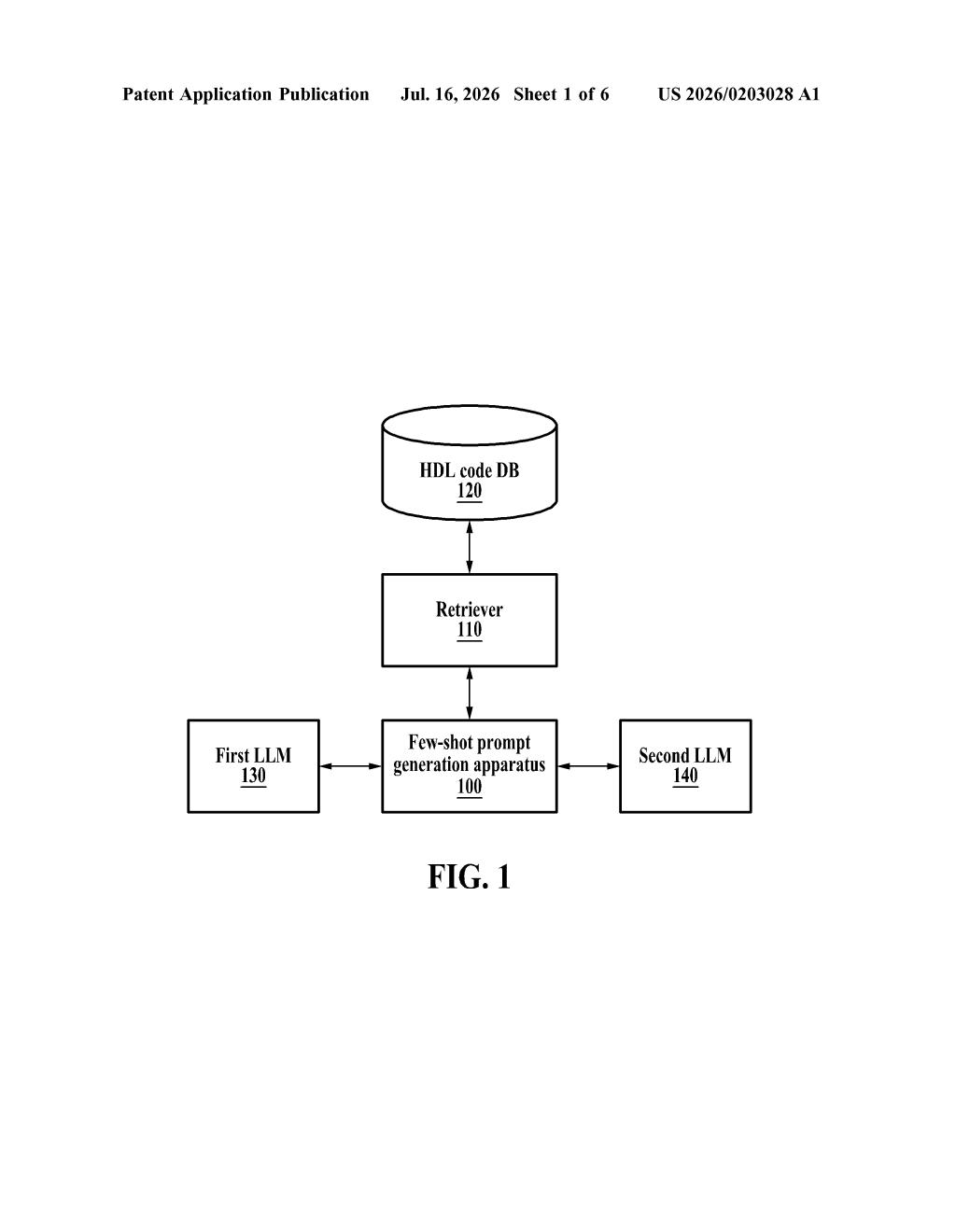
How Samsung's AI prep system actually works
Imagine asking a friend who's a programmer to write some code for you. A great friend wouldn't just start typing immediately. They'd think, "Have I seen something like this before?" Then they'd dig up a related example, study it, and use that as a reference. Samsung's patent describes essentially that same approach, but for AI.
When you ask Samsung's system to generate code, it first searches a library of existing code for anything similar to your request. Then it asks a separate AI model to explain what that similar code actually does, in plain terms. Finally, it bundles your original request, the example code, and that explanation into a single, well-prepared prompt before asking the main AI to write anything.
The idea is that giving the AI context before the task produces better results than just throwing your raw question at it cold. This technique is called few-shot prompting, and Samsung is automating the process of building those helpful examples on the fly.
How the system builds a context-rich prompt for the AI
The patent describes a three-step pipeline designed to improve the quality of AI-generated code by automatically constructing what researchers call a few-shot prompt (a prompt that includes worked examples, not just a bare instruction).
- Step 1 - Search: When a user submits a code generation request (the "query"), the system searches a code database for existing code that's similar to what's being asked for.
- Step 2 - Describe: The found code and the original user query are fed into a first LLM (large language model), which generates a natural-language description explaining what that code does and why it's relevant.
- Step 3 - Prompt assembly: The system bundles the original query, the retrieved example code, and the generated description into a structured few-shot prompt. This prompt is then passed to a second LLM that does the actual code generation.
The key insight is that the description step bridges the gap between raw code and meaning. Instead of just showing the AI an example it might misread, the system explains the example in context, giving the generative model a clearer target. The whole process is automated, so no human needs to manually curate examples.
What this means for AI coding tools and developers
AI coding tools like GitHub Copilot and Google's Gemini Code Assist already use retrieval techniques to improve their suggestions, so Samsung is working in a well-established space. What this patent adds is the automated description layer: rather than just retrieving similar code and hoping the AI figures out the connection, Samsung's system explicitly explains the connection through a dedicated summarization step.
For developers, the practical upside would be fewer hallucinated or off-target suggestions. If this approach ships in a Samsung product or developer tool, you'd spend less time correcting AI output and more time building. The patent also signals Samsung's ambition to compete in the AI coding assistant market, a space currently dominated by Microsoft and Google.
This is competent, incremental work in a genuinely crowded field. The automated description step is a thoughtful addition to retrieval-augmented code generation, but it's not a major departure from techniques already published in academic literature. Samsung is clearly building the plumbing for an AI coding product, and this patent is part of that infrastructure push rather than a standalone breakthrough.
There are more where this came from
We read every patent application Big Tech publishes and send you the ones worth knowing. Plain English, free, every week.
Want this weekly breakdown for a company we don't cover? Patentlyze Pro →
Be the first to weigh in