
Samsung Patents a Conversational System That Auto-Builds Neural Network Prompts
Getting good output from an AI model usually means knowing how to write a good prompt — which most people don't. Samsung's new patent describes a system that essentially interviews you to build one automatically.
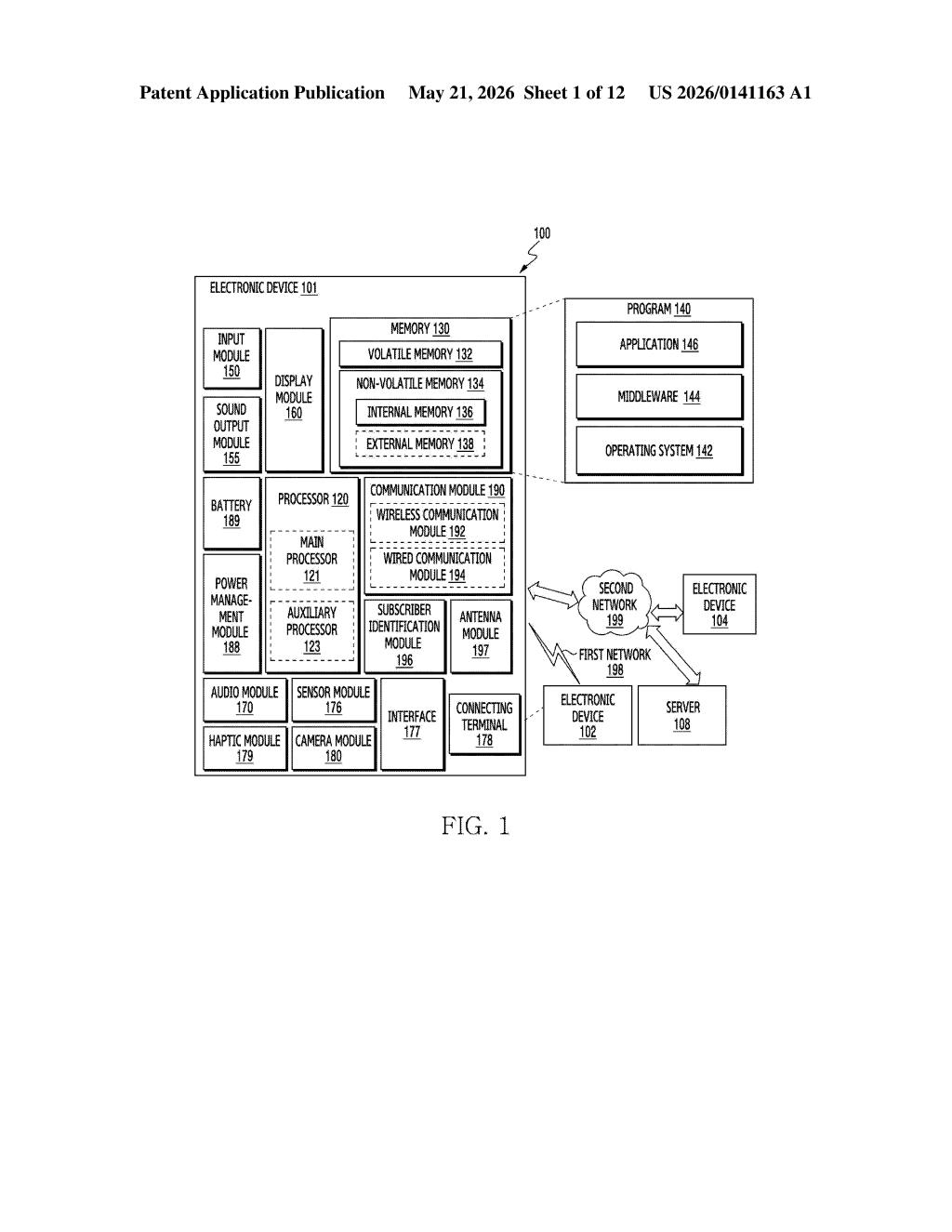
How Samsung turns a chat into a formatted AI prompt
Imagine you want to ask an AI assistant to summarize a contract, but the AI needs the request phrased in a very specific way to work properly. Most users have no idea what that format looks like — they just type something natural and hope for the best.
Samsung's patent tackles this by turning prompt-building into a short conversation. You type something rough (your first text), and the device picks out key words from what you wrote, then asks you a follow-up question to fill in missing details. Your answer becomes part of a neatly formatted prompt that the AI model can actually use well.
Think of it like a smart form that fills itself in by asking you the right questions. Instead of you learning how to talk to an AI, the device figures out what the AI needs and collects that information from you in plain language.
How the four-text pipeline assembles the final prompt
The patent describes a four-stage pipeline for constructing what it calls a "fourth text" — a properly formatted prompt ready for a neural network to consume.
- First text: The user's initial, unstructured input — whatever they naturally type or say.
- Template information: A format specification tied to a specific neural network model, describing exactly how its input must be structured to produce good output.
- Second text: A follow-up question generated by the device, derived from a keyword extracted from the first text — essentially, the system identifies what's missing and asks about it.
- Third text: The user's answer to that follow-up question.
- Fourth text: The final, formatted prompt assembled from the first and third texts using the template, ready to feed into the neural network.
The clever part is the keyword extraction step. Rather than asking generic clarifying questions, the device anchors its follow-up to something specific the user already mentioned, making the interaction feel contextual rather than robotic. The template layer means the same conversational front-end could theoretically serve multiple different AI models, each with its own required input format.
What this means for on-device AI input on Galaxy devices
For Samsung, this is about lowering the barrier to using on-device AI features. If Galaxy devices are going to run local neural network tasks — summarization, translation, image captioning, whatever — users shouldn't need to know the "right way" to phrase a request. This patent describes an abstraction layer that handles format compliance automatically.
The broader implication is a pattern shift: instead of users adapting to AI input requirements, the device mediates between casual human language and the structured inputs models actually need. That's a meaningful UX problem, and if Samsung ships something like this, it could make on-device AI feel noticeably less finicky than competing implementations.
This is a solid, practical patent addressing a real friction point in AI interfaces — most people are bad at prompt engineering and don't want to learn. The four-text pipeline is clean in concept, though the real value depends entirely on how good the keyword extraction and template matching are in practice. Worth watching as Samsung pushes deeper into on-device AI.
There are more where this came from
We read every patent application Big Tech publishes and send you the ones worth knowing. Plain English, free, every week.
Want this weekly breakdown for a company we don't cover? Patentlyze Pro →