
Sony Patents a 3D Scanner That Does a Rough Pass Before the Real One
Sony is patenting a way to make 3D scanning faster and more precise by doing a rough draft scan first, then using what it learned to run a better, more targeted final scan.
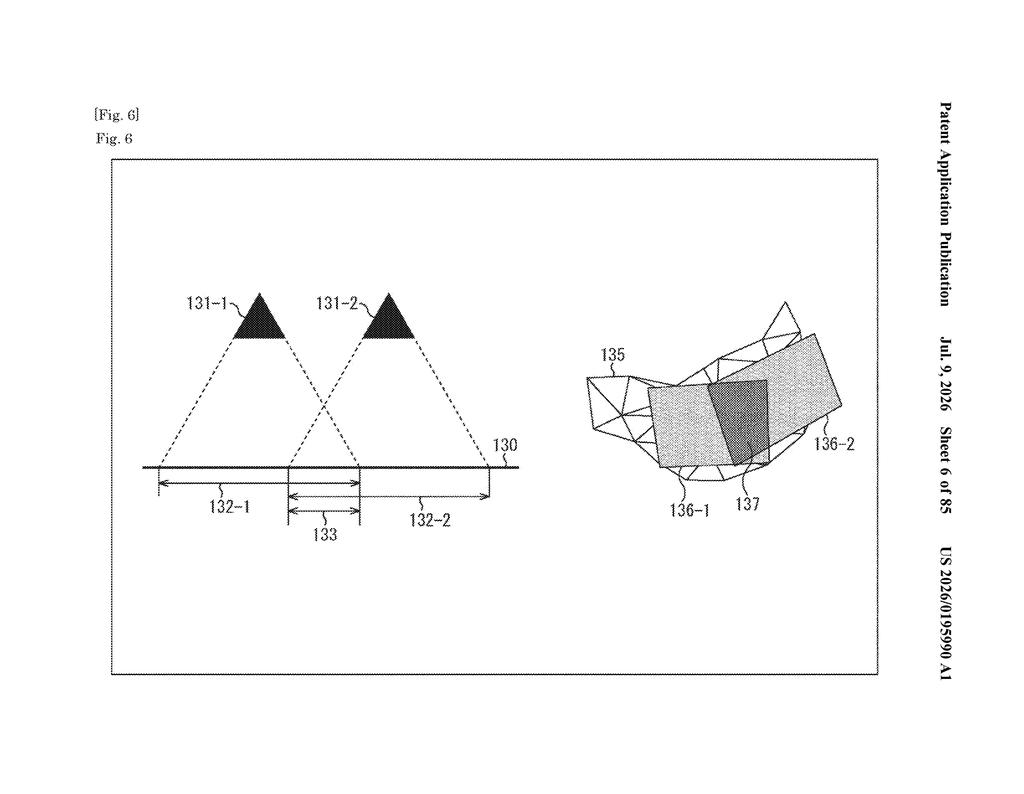
How Sony's two-pass 3D scanning system works
Imagine trying to photograph every angle of a sculpture. If you just start shooting randomly, you might miss spots or waste time on angles that don't add much detail. But if you first walk around it quickly to get a rough sense of its shape, you can then plan exactly where to point the camera for the best results. That's the core idea here.
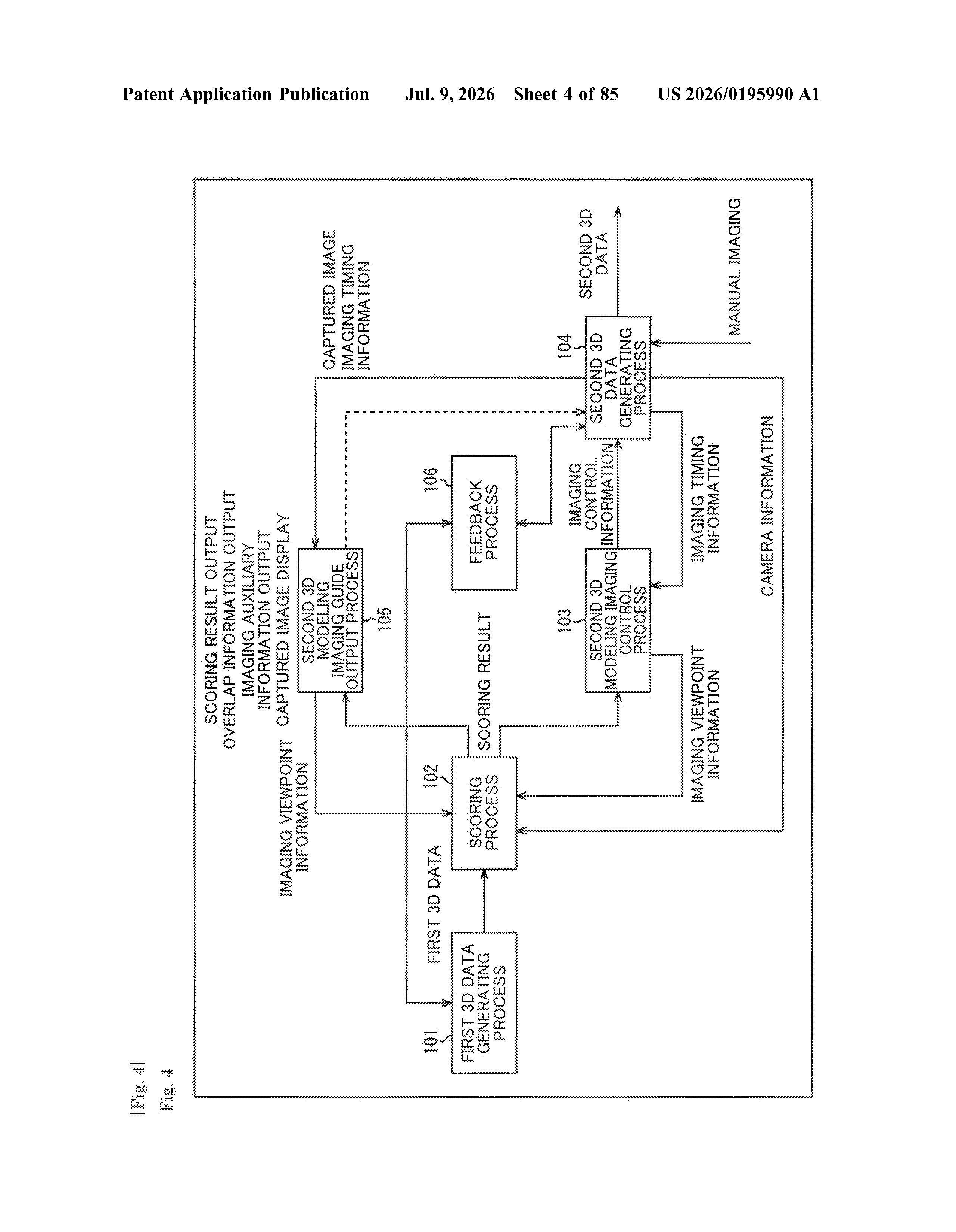
Sony's patent describes a 3D scanning system that runs two scans in sequence. The first, called the preliminary scan, produces a rough 3D model of an object. The system then uses what it learned from that rough model to automatically configure the settings and camera positions for a second, more precise scan.
The result is a final 3D model that's more accurate than you'd get from a single pass, without requiring a person to manually figure out the best way to scan the object. It's aimed at cameras, imaging devices, and other electronics where capturing detailed 3D shapes matters.
How the first scan feeds parameters into the second scan
The patent describes a two-stage pipeline for generating high-quality 3D models of physical objects.
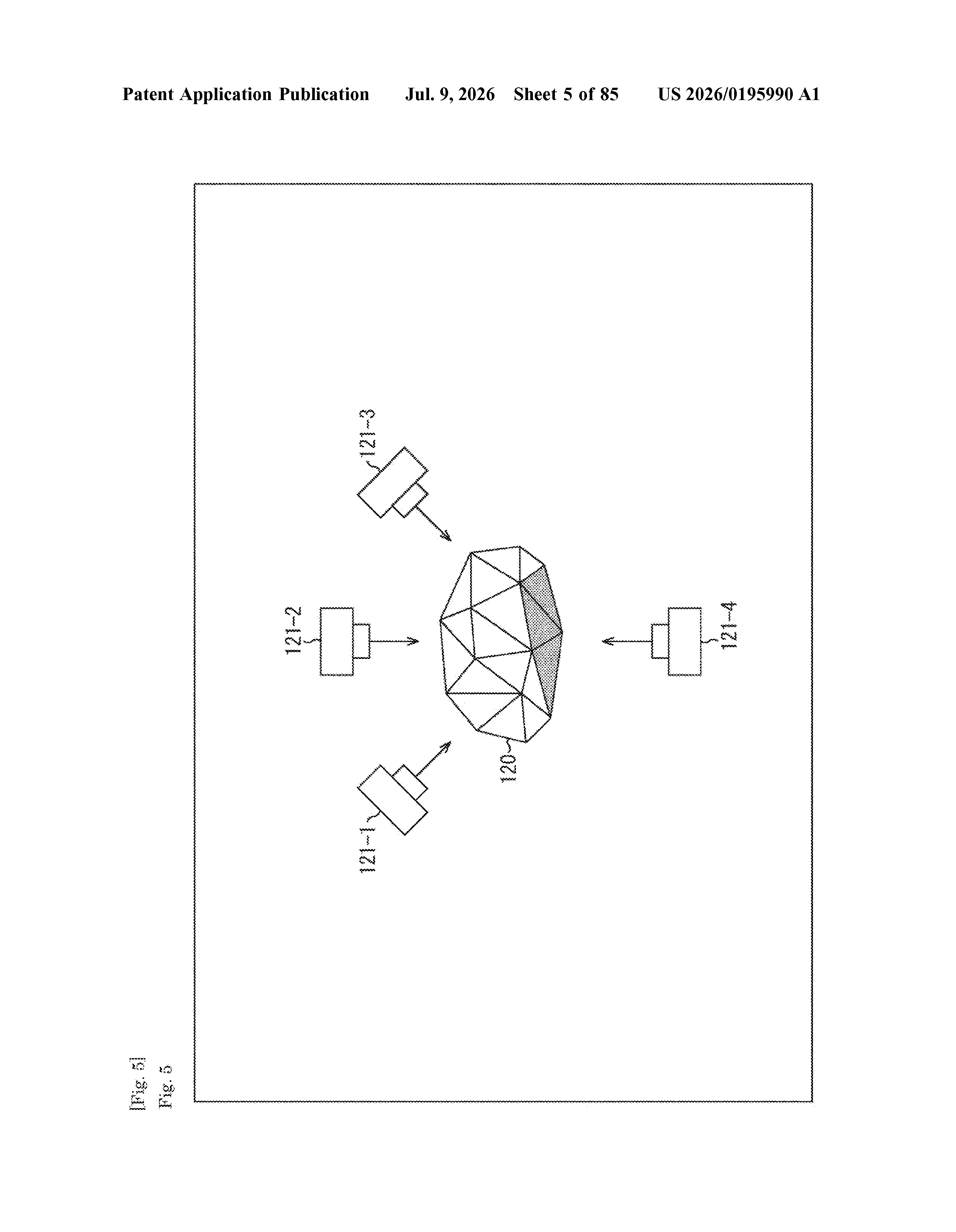
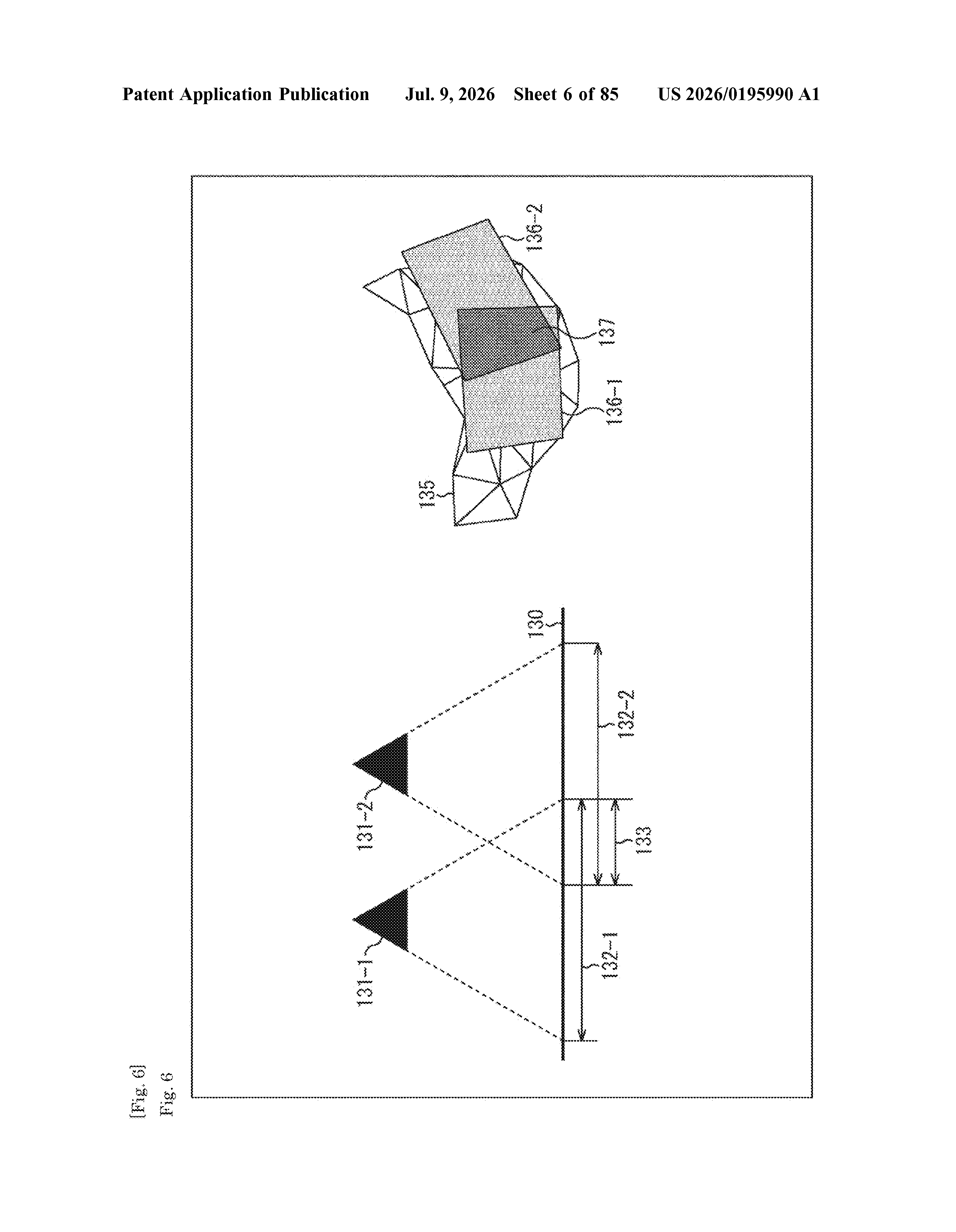
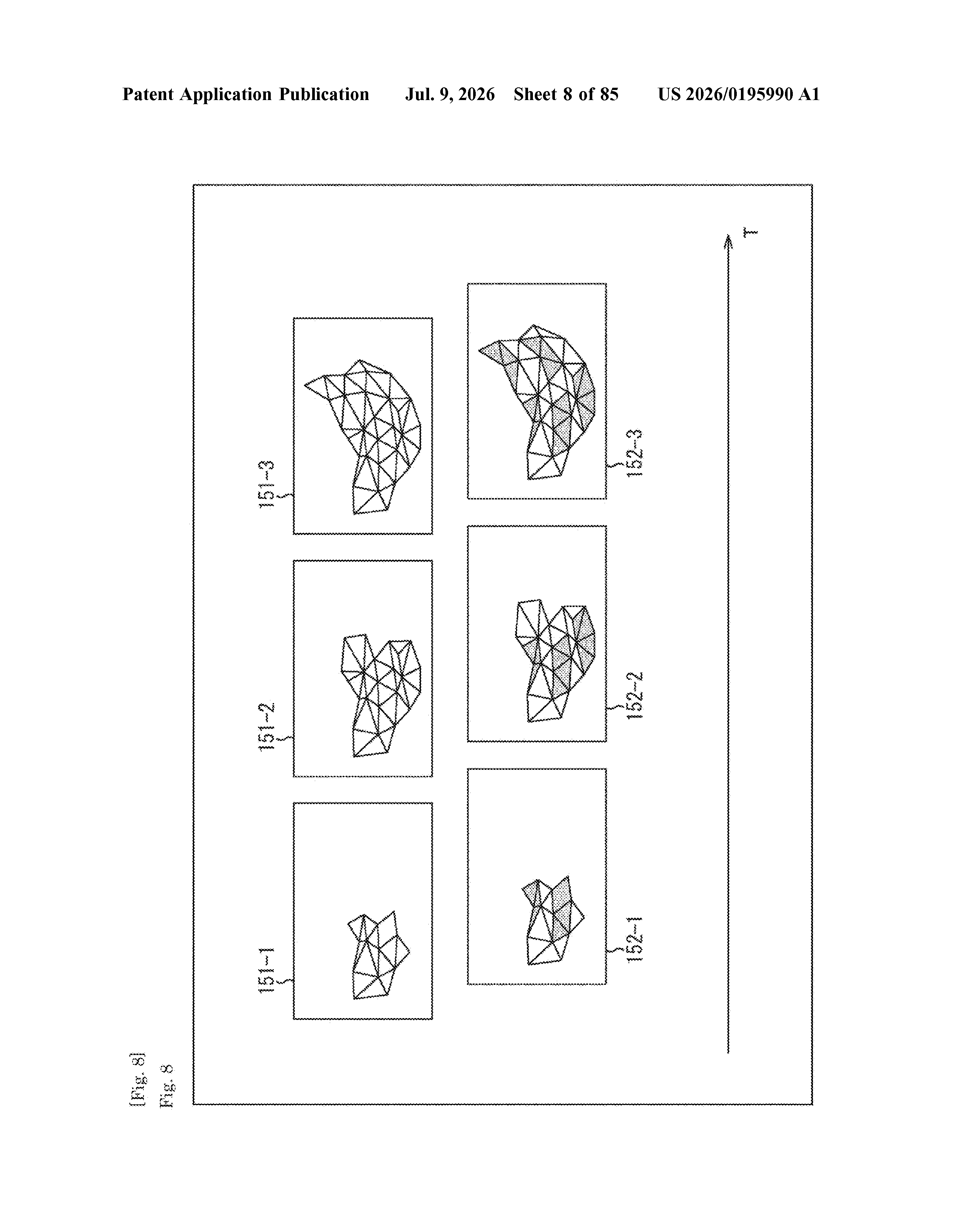
Stage one (preliminary scan): A first imaging unit captures images of a 3D object and feeds them into a first 3D modeling process. This produces first three-dimensional shape information, essentially a rough draft of the object's geometry. Think of it as a low-resolution map of the object.
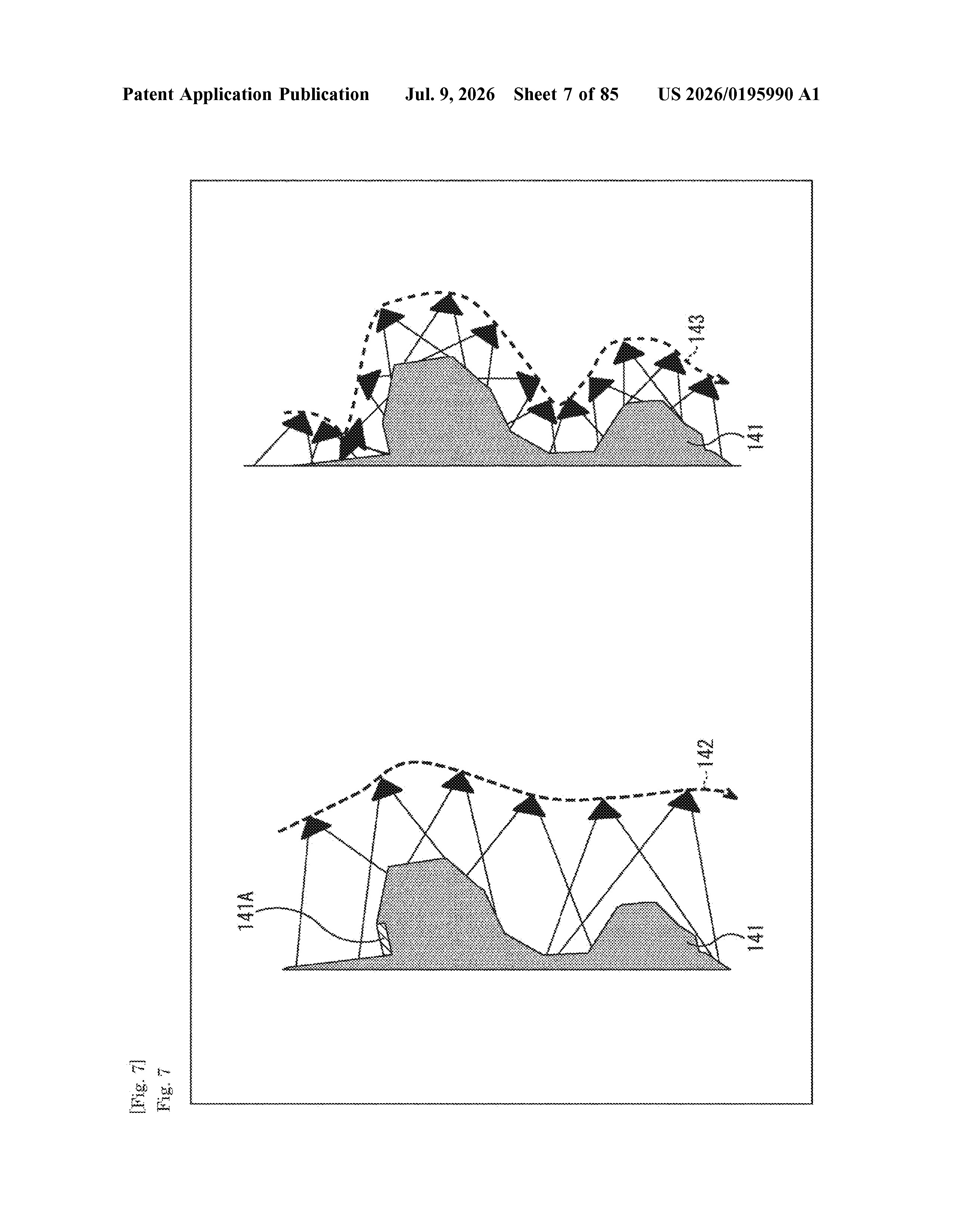
Stage two (main scan): A second imaging unit then uses that rough shape data to decide how to image the object more carefully. The angles, positions, and camera parameters for this second scan are all derived automatically from what the first scan found. A dedicated parameter information generating unit bridges the two stages by translating the output of the preliminary scan into optimized settings for the main scan.
- The preliminary and main scans are both classified as 'second 3D modeling processes,' meaning they use image-based reconstruction (as opposed to lidar or depth sensors).
- The system is designed to reduce wasted effort by targeting the main scan at the parts of the object that the rough pass identified as needing more attention.
- Sony lists cameras, imaging communication devices, and general electronic devices as possible applications.
What this means for 3D capture in Sony's devices
3D scanning is increasingly relevant for product design, augmented reality, and consumer cameras. The bottleneck has often been that getting a high-quality scan either takes a long time or requires a skilled operator to set things up correctly. Sony's two-pass approach aims to automate that setup step, which could make high-quality 3D capture practical in smaller, faster devices.
Sony makes cameras (the Alpha series), professional imaging equipment, and has an active interest in AR and spatial content tools. A more automated 3D capture pipeline could show up in anything from a professional camera accessory to a future smartphone feature. Whether Sony ships this as a standalone product or bakes it into existing hardware remains to be seen, but the patent covers a broad enough scope to apply to many device types.
This is a methodical, well-reasoned engineering patent rather than a flashy concept. The two-pass approach is a known strategy in computer vision, so the novelty here is in how Sony is applying it specifically to image-based 3D reconstruction and automating the handoff between the two stages. It's worth watching if you follow Sony's camera or spatial computing ambitions, but it won't excite anyone outside that audience.
Get our take in your Top Stories
Liked this breakdown? Add Patentlyze as a preferred source on Google, and our plain-English take shows up more often in your Top Stories the next time Sony patent news breaks.
There are more where this came from
We read every patent application Big Tech publishes and send you the ones worth knowing. Plain English, free, every week.
The drawings
85 drawing sheets from US 2026/0195990 A1 · click any drawing to enlarge
Want this weekly breakdown for a company we don't cover? Patentlyze Pro →