
Qualcomm Patents a Traffic-Aware System for Balancing AI Tasks on Wi-Fi Routers
Your Wi-Fi router is getting smarter — and busier. Qualcomm is patenting a way to make sure all those AI tasks running inside a router never slow down the traffic it's supposed to move.
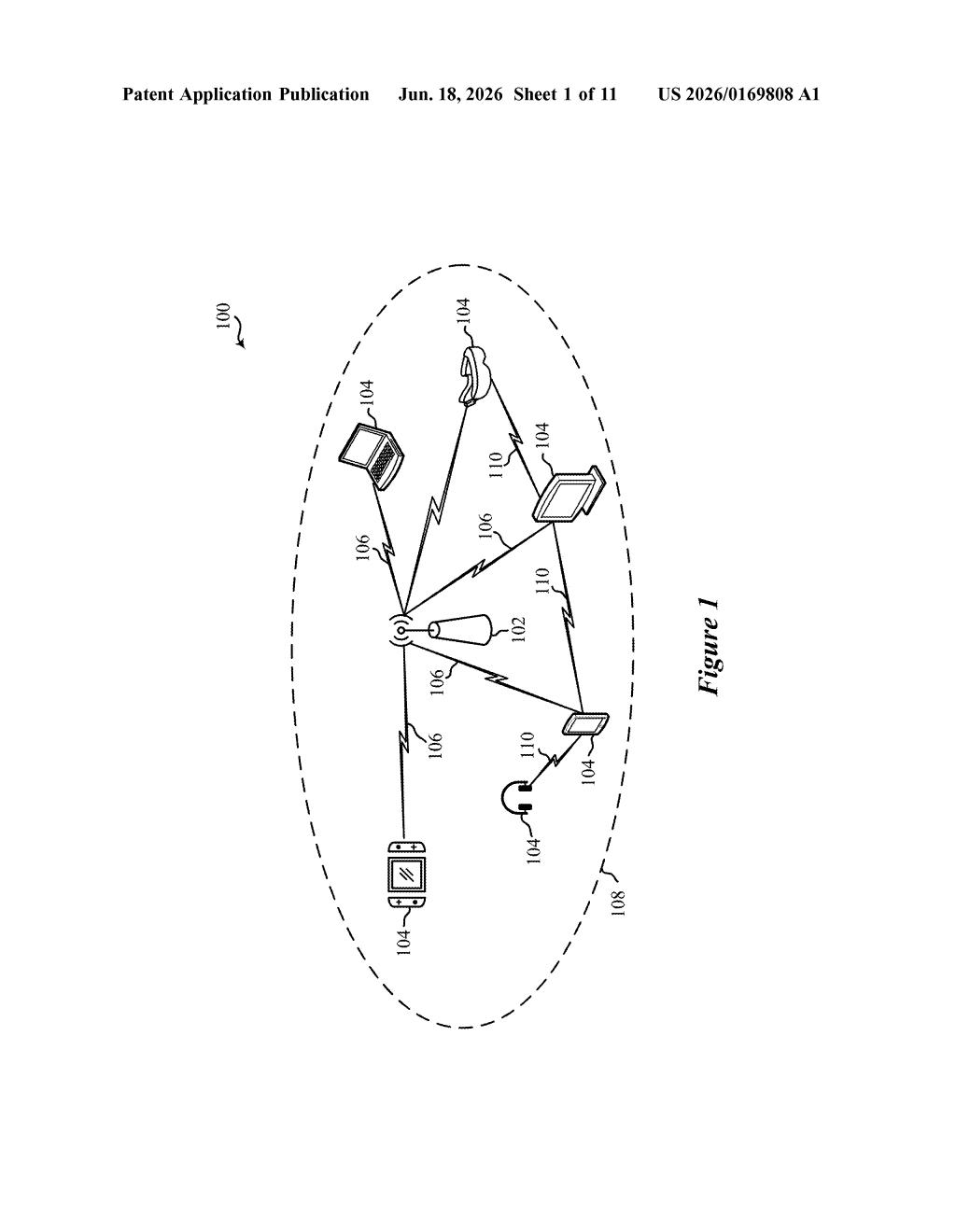
What Qualcomm's AI-workload balancer actually does
Imagine your home router trying to juggle two jobs at once: running AI features (like detecting intruders on your security camera feed or optimizing signal strength) while also keeping your video call from stuttering. Right now, nothing stops the AI side from hogging computing power and degrading the actual internet traffic it's supposed to serve.
Qualcomm's patent describes a coordination system — essentially a referee — that lives inside or alongside a Wi-Fi access point. It watches both what the AI jobs need and how the network is performing in real time, then decides how much computing muscle each AI task gets. If your network is getting congested or a time-sensitive packet is waiting, the AI jobs get throttled back.
The system tracks concrete network health signals: how fast packets are arriving, how long they're sitting in a queue, whether quality-of-service guarantees are being met. AI features stay on, but they don't get to tank your connection to do it.
How the orchestrator weighs AI jobs against live network load
The patent describes a compute resource orchestration framework — a scheduling system that sits at or near a Wi-Fi access point (AP) and manages how processing power is divided between AI workloads and the network's core job of moving data.
Each AI task running on the AP submits a workload request that includes its parameters — things like how much compute it needs, how urgent it is, and what it's trying to accomplish. The orchestrator collects all of these requests and then makes allocation decisions based on three inputs:
- What the AI tasks need (their individual workload parameters)
- What compute is actually available on the access point at that moment
- Live network health metrics — specifically packet rate (how much data is flowing), quality-of-service (QoS) levels (promised performance tiers for certain traffic), packet delay (how long data waits), and how much traffic is buffered and waiting to be sent
The key design choice is that network performance criteria act as a hard constraint, not just a suggestion. The orchestrator assigns compute to AI jobs only in ways that keep the network metrics within acceptable bounds. If the network is under stress, AI workloads get less — automatically.
What this means for AI-powered Wi-Fi routers and access points
Access points are no longer passive hardware — modern routers and enterprise Wi-Fi gear increasingly run AI models directly on-device for tasks like interference avoidance, threat detection, and traffic classification. The problem is that these AI features compete for the same processor that handles actual packet forwarding. Without a referee, one can starve the other.
For everyday users, this kind of system could mean AI-enhanced routers that don't quietly degrade your connection speed while doing their AI work. For enterprise and carrier deployments — where Qualcomm sells a lot of chips — it's a way to make AI-at-the-edge reliable enough to promise to customers, not just demo in a lab.
This is solid infrastructure-layer thinking, not a flashy consumer feature. Qualcomm is essentially patenting the traffic cop that makes AI-on-router a viable product rather than a marketing bullet point. It's not exciting to read about, but without something like this, every router vendor shipping AI features is flying blind on resource contention.
There are more where this came from
We read every patent application Big Tech publishes and send you the ones worth knowing. Plain English, free, every week.
Want this weekly breakdown for a company we don't cover? Patentlyze Pro →