
Amazon Patents a Dashboard That Shows Developers Where Their AI Is Being Unfair
Training an AI model is one thing; knowing whether it's discriminating against certain groups of people is another. Amazon is patenting a system that makes bias measurements visible inside the same dashboard where developers build their models.
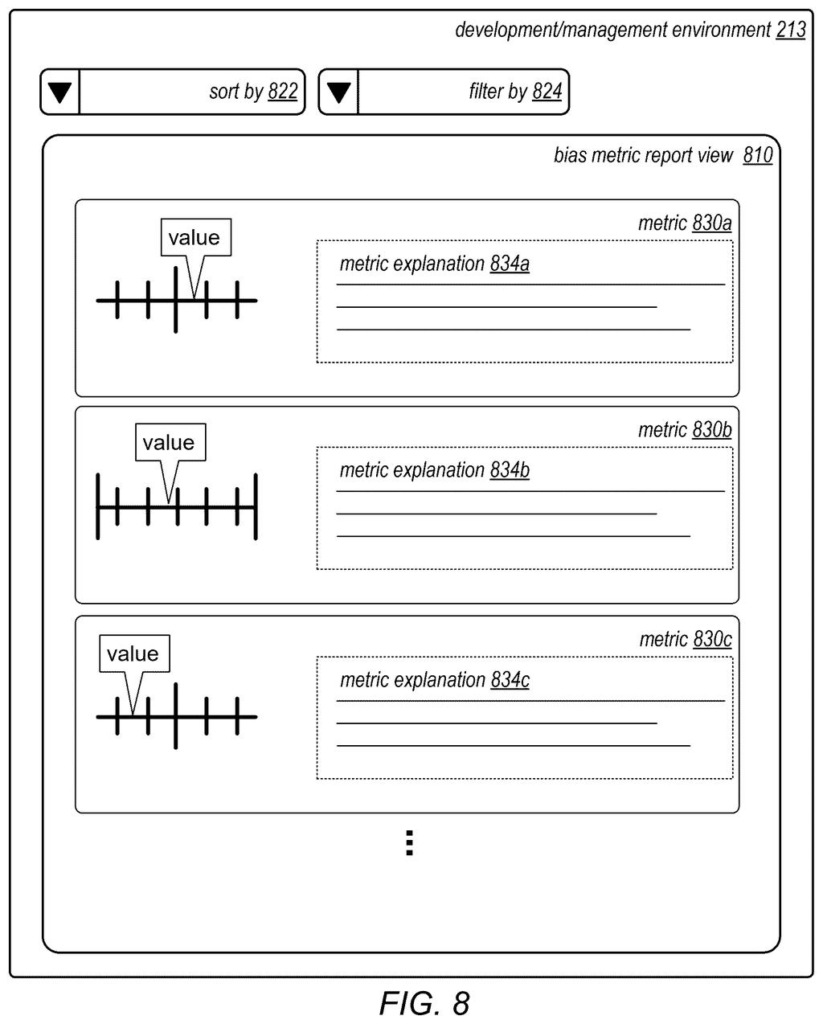
What Amazon's AI bias viewer actually shows developers
Imagine a company trains an AI to approve loan applications. The model might learn, without anyone realizing it, to treat applicants differently based on their zip code or age. Right now, catching that kind of bias usually requires a separate investigation after the fact.
Amazon's patent describes a tool that tracks fairness measurements automatically, as part of the normal model-training process. Developers working inside Amazon's cloud-based AI tools could pull up a visual view showing which groups the model is treating differently, and which data features (like income, location, or purchase history) are actually driving its decisions.
The goal is to make bias auditing part of the standard workflow rather than an afterthought. Instead of shipping a model and hoping for the best, developers would see the fairness data right alongside their other training results.
How the pipeline captures and surfaces bias data
The patent describes a system built into a machine learning development environment (think: Amazon SageMaker's web interface) that does three things automatically during model training:
- Bias metrics capture: While the training job runs, the pipeline measures statistical fairness indicators, for example whether the model performs equally well for different demographic groups or whether approval rates differ by gender or age.
- Feature attribution capture: The system also records which input variables (called features) had the most influence on the model's predictions. This is sometimes called explainability: understanding why the model gave a particular answer.
- View generation: When a developer requests a summary, the development environment pulls those stored metrics from a data store and generates a formatted visual view inside the same interface they're already using.
The key technical claim is that the bias and attribution data are specified inside the training job configuration itself, making measurement a first-class part of the pipeline rather than a bolt-on step. The interface receives the request, fetches the pre-computed results, and renders the view on demand.
What this means for AI fairness accountability tools
For companies building AI on Amazon Web Services, this would mean bias auditing is built into the tooling rather than requiring a separate compliance process. Regulators in the EU and the US have been pushing for exactly this kind of documentation: proof that developers checked for discrimination before deploying a model, not just after complaints arrived.
For everyday users, the downstream effect is that AI systems making decisions about credit, hiring, or content moderation could face more internal scrutiny before they go live. Whether developers actually act on the data is a separate question, but making it visible and automatic removes one excuse for skipping the check entirely.
This patent is less about a technical breakthrough and more about workflow design: putting bias auditing where developers already work so it doesn't get skipped. That's genuinely useful, but it's also table stakes for a major cloud AI platform in 2026. The interesting question is whether Amazon bakes enforcement into the tool or keeps it purely informational.
There are more where this came from
We read every patent application Big Tech publishes and send you the ones worth knowing. Plain English, free, every week.
The drawings
19 drawing sheets from US 2026/0211980 A1 · click any drawing to enlarge


Want this weekly breakdown for a company we don't cover? Patentlyze Pro →