
Apple Patents a Smarter 5G Radio Monitoring System to Save Battery Life
Your phone's 5G radio is constantly checking in with cell towers even when nothing is happening — Apple's new patent is about making that process a lot smarter by letting devices selectively skip those check-ins based on real-time network conditions.
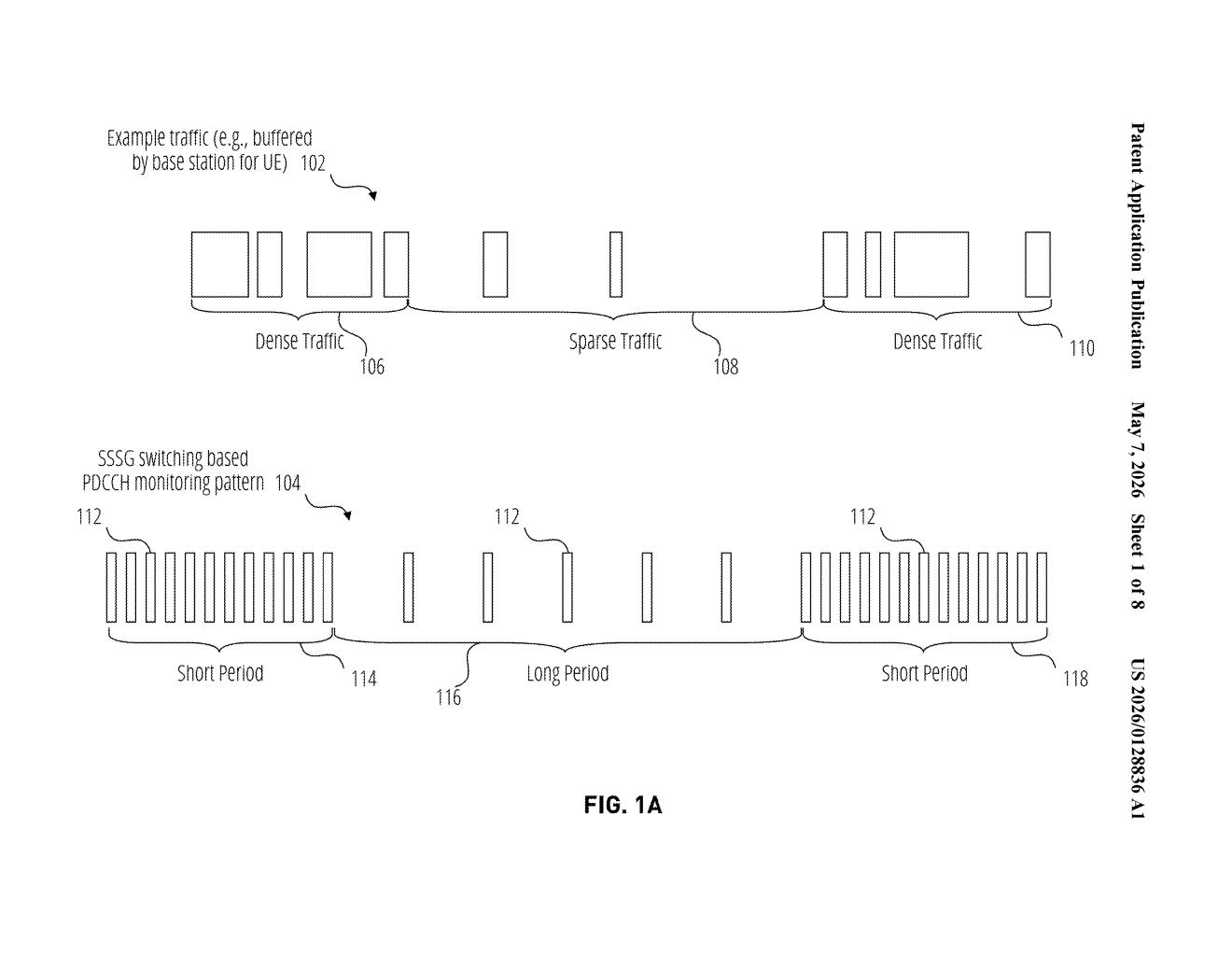
How Apple's patent cuts unnecessary 5G radio wake-ups
Imagine your phone as someone waiting for a text message. If messages are coming in fast, you'd check your phone every few seconds. But if it's been quiet for a while, you'd check less often — maybe every few minutes. That's the core idea here.
Apple's patent describes a system where a 5G device (like an iPhone) can dynamically adjust how often it listens for instructions from a cell tower. Instead of constantly tuning in, it can switch into a low-activity mode that skips most of those check-ins when network traffic is light — and snap back to full attention when things get busy again.
The switching is controlled by short coded signals from the tower itself, using just two bits of data to tell the phone which listening mode to be in. A built-in timer makes sure the phone doesn't stay in low-power mode forever — it automatically returns to the default attentive mode when the timer runs out.
How the SSSG timer and two-bit trigger actually work
The patent describes a mechanism for controlling how a User Equipment (UE) — 5G-speak for your phone or tablet — monitors the Physical Downlink Control Channel (PDCCH), which is the channel a cell tower uses to send scheduling instructions to devices.
Normally, a device monitors a default Search Space Set Group (SSSG) — essentially a defined set of time-frequency slots where it listens for those tower instructions. This patent introduces the ability to switch between three configurations:
- Default SSSG: full monitoring, used during normal or heavy traffic
- First non-default SSSG: a reduced monitoring set for moderate conditions, paired with a countdown timer
- Second non-default SSSG: an empty SSSG — meaning the phone skips PDCCH monitoring entirely for short windows, emulating what's called "PDCCH skipping"
The switching is triggered by a two-bit DCI (Downlink Control Information) signal embedded in the tower's transmissions — four possible bit values, three of which map to distinct monitoring configurations. When the tower sends a new configuration that matches the current one, the timer just keeps counting down. When it sends a different configuration, the timer resets. If the timer expires before any new trigger arrives, the device automatically falls back to the default SSSG.
This combination of explicit triggers and automatic fallback creates a robust, self-correcting system that doesn't require perfect signal conditions to work safely.
What this means for iPhone 5G battery efficiency
Battery life on 5G devices is notoriously worse than on LTE, and a big reason is the relentless overhead of radio monitoring. Every moment your phone is awake listening for tower signals it never actually receives is wasted energy. PDCCH skipping — the ability to silence that listening loop during lulls — is a known technique, but Apple's patent adds a more granular, dynamically-triggered approach that could make the savings more consistent across varied real-world conditions.
For you as a user, the practical effect would be a phone that gets meaningfully better battery life during idle periods without sacrificing responsiveness when data actually starts flowing. This is the kind of invisible infrastructure improvement that rarely gets announced at a keynote but quietly extends the time between charges.
This is squarely in the category of 5G standards-adjacent engineering work — not flashy, but genuinely important. Battery drain from 5G radio overhead is a real and persistent user complaint, and smarter PDCCH monitoring is one of the few levers chipmakers and OS vendors can pull. Apple filing this suggests they're actively shaping how these mechanisms work in 3GPP standards, not just implementing whatever the standards body decides.
There are more where this came from
We read every patent application Big Tech publishes and send you the ones worth knowing. Plain English, free, every week.
Want this weekly breakdown for a company we don't cover? Patentlyze Pro →