
Samsung Patents a Scheduled Device Discovery System for Wireless Networks
Before two wireless devices can talk to each other, they first have to find each other — and that handshake process is messier than it sounds. Samsung's new patent describes a cleaner, time-scheduled approach to device discovery and synchronization.
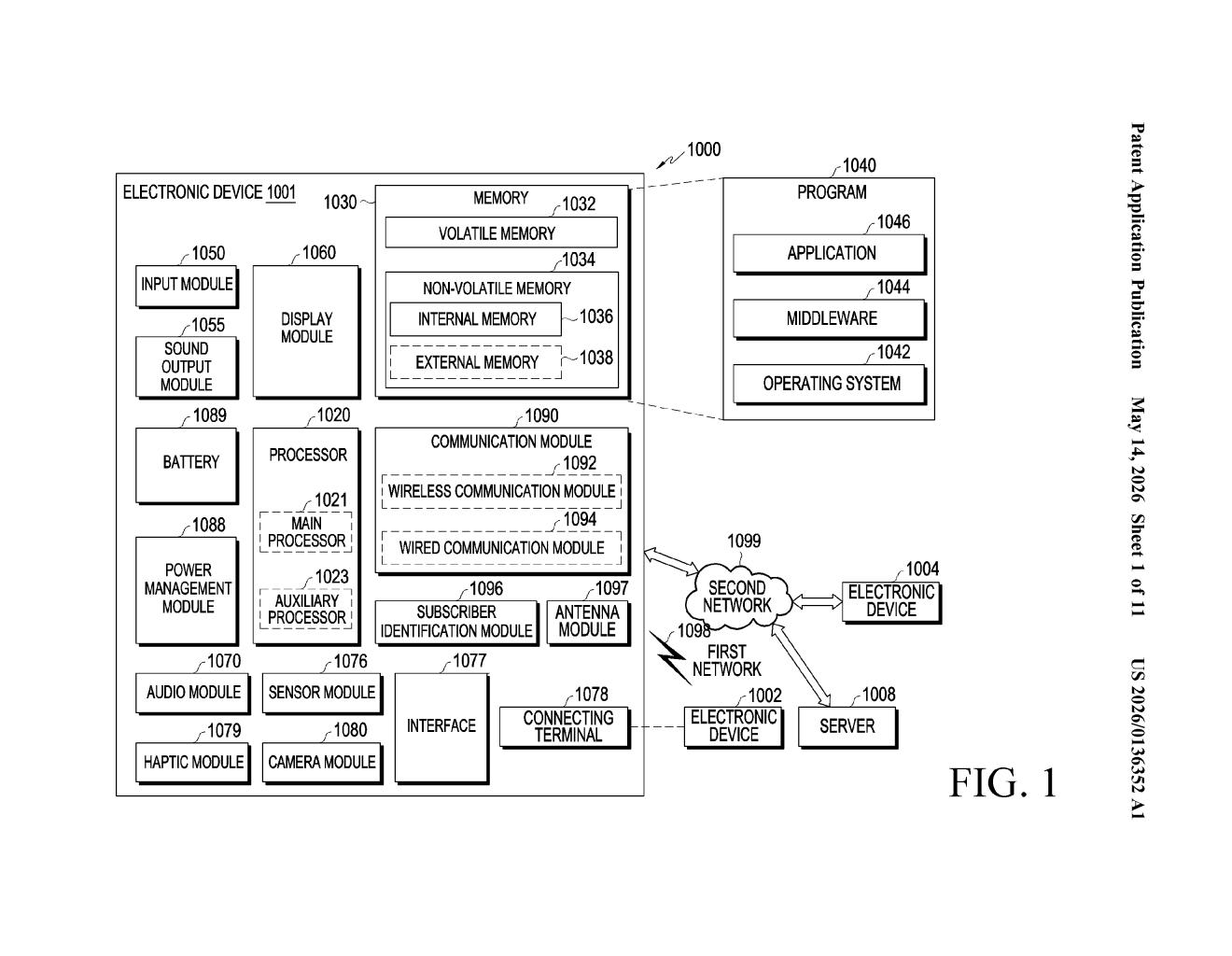
How Samsung's wireless device handshake actually works
Imagine you walk into a room full of people, all trying to have conversations simultaneously. Before anyone can actually talk, someone has to shout 'I'm here!' and wait for others to respond before agreeing on a common rhythm. Wireless devices go through a similar process every time they try to connect.
Samsung's patent describes a structured way for a device to manage this whole sequence on a schedule. First, it broadcasts a service discovery frame — essentially a 'who's out there?' announcement — during a dedicated time window. Once it gets a response and identifies nearby devices, it sends synchronization beacons to lock everyone onto the same timing. Only then does the actual data communication begin.
The key idea is that all of this is driven by scheduling information known in advance, so each phase happens in its own clean time slot rather than all at once. Think of it like a meeting agenda: discovery first, sync second, talk third.
How scheduling frames, beacons, and discovery periods chain together
The patent describes a three-phase protocol performed by a first electronic device coordinating with one or more second electronic devices over a wireless link.
- Phase 1 — Service Discovery: The first device transmits a service discovery frame during a dedicated first period. This is a broadcast that advertises the device's presence and the services it offers, allowing other nearby devices to recognize it.
- Phase 2 — Synchronization: After identifying at least one responding device, the first device sends synchronization beacons (timing reference signals that align all devices to a shared clock or frame structure) during a second period that follows the discovery window.
- Phase 3 — Communication: With discovery complete and timing aligned, actual data communication proceeds according to the same scheduling information that governed the earlier phases.
The glue holding all three phases together is the scheduling information identified at the outset. By pre-defining when each phase occurs, the protocol avoids collisions and wasted airtime — a common problem in ad-hoc wireless environments where devices all try to announce themselves at random times.
This pattern is relevant to device-to-device (D2D) or sidelink communication scenarios, where devices talk directly without routing through a base station — a growing area in 5G NR and Wi-Fi Direct contexts.
What this means for device-to-device wireless communication
Device-to-device wireless communication is becoming increasingly important in scenarios like proximity services, IoT mesh networks, and emergency communications where infrastructure may be absent or overloaded. The challenge has always been the coordination overhead — getting devices to find each other quickly and reliably without burning battery or spectrum.
A time-scheduled discovery approach like this could make your devices connect faster and more efficiently in crowded environments — think a stadium, a factory floor, or a disaster response zone. For Samsung, which ships everything from Galaxy phones to industrial IoT sensors, having a cleaner protocol for device-to-device discovery is a practical building block across its entire hardware ecosystem.
This is foundational wireless protocol work — not flashy, but the kind of low-level coordination improvement that quietly makes every device-to-device interaction faster and more reliable. Samsung files a lot of these, and individually they're unremarkable, but they add up to real differentiation in 5G sidelink and proximity service performance.
There are more where this came from
We read every patent application Big Tech publishes and send you the ones worth knowing. Plain English, free, every week.
Want this weekly breakdown for a company we don't cover? Patentlyze Pro →