
Apple Patents a Camera System That Stylizes Photos Automatically Based on What's in the Shot
Apple has filed a patent for a system that looks at what's in a photo and, if the image meets certain conditions, automatically produces a stylized version of the object in the scene, no filter-picking required.
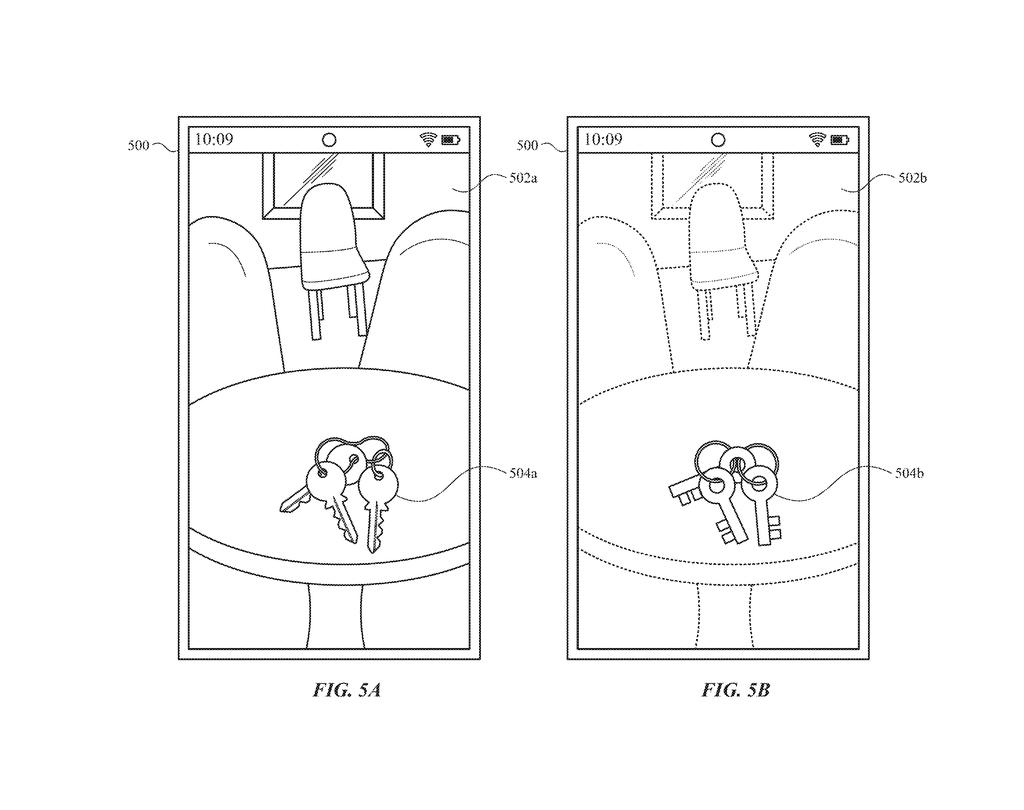
What Apple's auto-stylized photo system actually does
A stranger's photo app opens, captures a picture, and instantly applies an artistic treatment to the subject. You didn't choose it. The phone did. That's essentially what this Apple patent describes.
The system checks an incoming photo against a set of criteria. If the image passes (say, it contains a recognizable object under the right conditions), your phone automatically produces a stylized version of that object. If the photo doesn't pass the test, it just saves the original without touching it.
Think of it as a camera that decides, on its own, when an artistic treatment would work and when it wouldn't. You get two possible outcomes: a creatively reworked image, or the plain photo you took, depending on what the phone finds in the frame.
… automatically generating a modified image including a stylized version of the object; and in accordance with a determination that the input image does not satisfy the first set of criteria, saving the input image without generating the modified image.
Translation: The system applies artistic edits if the photo fits certain rules, or saves it normally if it does not.
How the system decides when to stylize a photo
The patent describes a computer system connected to one or more image sensors (essentially a camera setup) that processes incoming photos through a two-branch decision tree.
Branch one: the system evaluates the captured image against a first set of criteria. The patent doesn't define exactly what those criteria are, which is a deliberate choice that keeps the claim broad. They could include object type, lighting conditions, composition, or anything else the system is trained to assess.
Branch two: based on that evaluation, the system takes one of two actions:
- If the image meets the criteria, it automatically generates a modified image containing a stylized version of the detected object.
- If the image does not meet the criteria, it saves the original photo with no modification at all.
The key technical word here is automatically. The stylization happens without the user doing anything. The system also specifically works with an identified object inside the image, not the entire frame, suggesting the stylization is targeted rather than applied as a blanket filter over the whole photo.
What this means for iPhone cameras and photo editing
For most people, this would mean a camera that applies an artistic look to a specific subject (a person, a flower, a car) only when the photo is a good candidate for it. The phone makes that call for you. If you've ever taken a portrait and wished it automatically had a painterly quality when the lighting was right, that's the kind of experience this patent points toward.
Apple's steady run of computational photography filings signals that the company sees the camera as a place where software decisions increasingly replace manual choices. A system like this could surface in a future iOS camera mode, a specialized shooting setting, or a post-processing step inside the Photos app.
That makes this Apple's 371st filing in our Apple coverage since May, adding to work like cleaner 3D scans and loading 3D map highlights.
Claim 1 is very wide. It covers any computer system with a camera that (a) checks an image against unspecified criteria and (b) either stylizes the detected object or saves the original. Because the criteria are left undefined, the claim doesn't commit to any particular style, object type, or detection method. That breadth is a double-edged thing: it gives Apple room to apply this to almost any automatic photo treatment, but it also invites scrutiny from patent examiners who may want more specificity before granting it.
What claim 1 would block, if granted, is surprisingly wide: any camera system that automatically applies a stylized effect to a recognized object based on conditional criteria, without user input. That could sweep in photo features from competitors who run object-aware filters automatically. The practical scope depends entirely on how the USPTO interprets that undefined first set of criteria.
As a filing, this reads as a land-grab around the general idea of conditional, automatic photo stylization. Whether it survives examination in this form is a different question, but the intent to cover broad automatic stylization behavior is clear from the claim language.
Get our take in your Top Stories
Liked this breakdown? Add Patentlyze as a preferred source on Google, and our plain-English take shows up more often in your Top Stories the next time Apple patent news breaks.
There are more where this came from
We read every patent application Big Tech publishes and send you the ones worth knowing. Plain English, free, every week.
The drawings
11 drawing sheets from US 2026/0260406 A1 · click any drawing to enlarge


Show the other 3 sheets


Want this weekly breakdown for a company we don't cover? Patentlyze Pro →
Be the first to weigh in