
Apple Patents a Call Recording System That Checks for Hidden Listeners First
Before your iPhone records a call, Apple's new patent says it should first confirm nobody else is secretly listening in — then tell the other person it's happening.
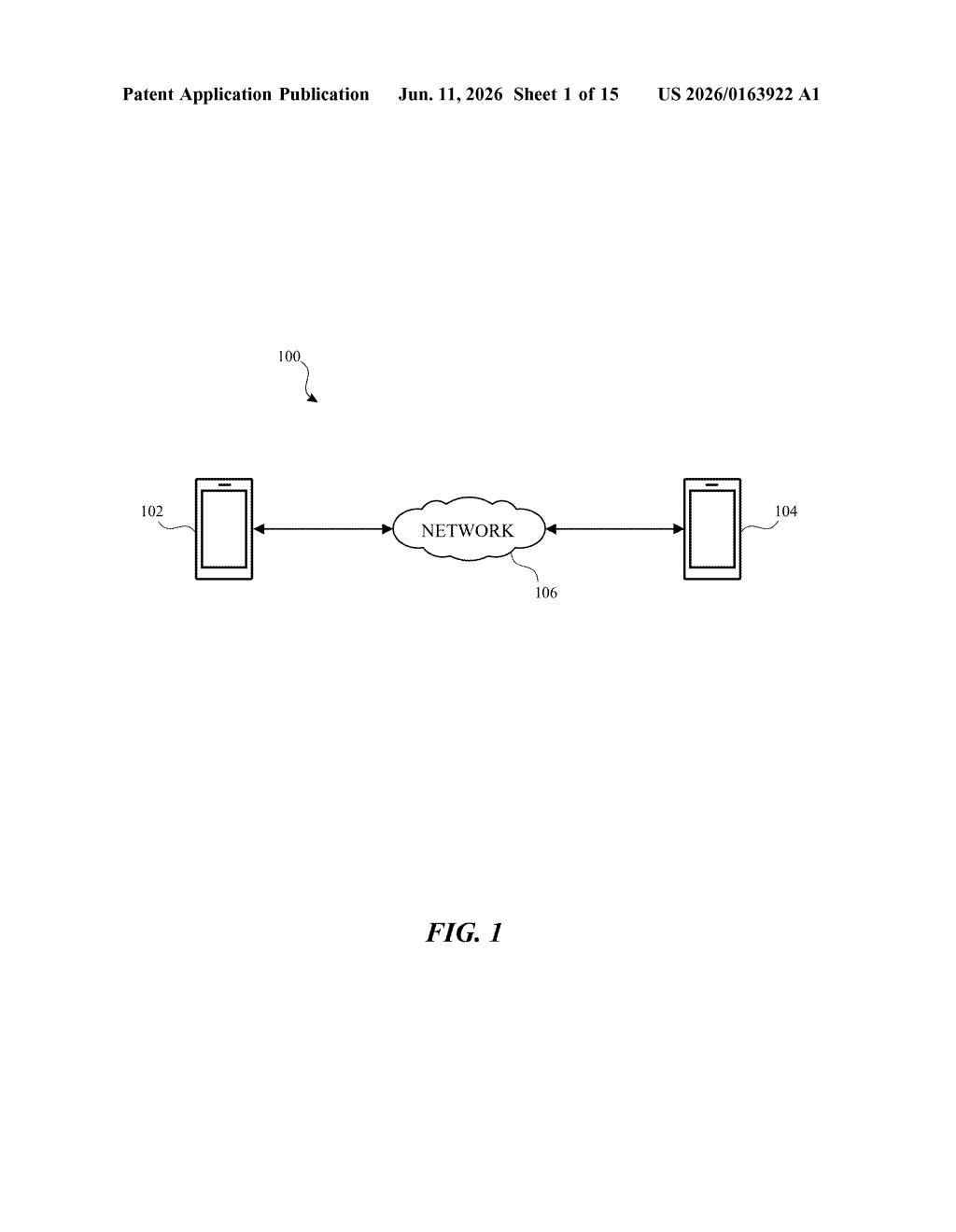
What Apple's call-recording consent system actually does
Imagine you're on a phone call and want to record it. In many states and countries, you're legally required to tell the other person first — but most phones leave that entirely up to you. Apple's new patent describes a system that handles this automatically.
When you ask your device to record a call, it immediately notifies the other person that recording is about to start. But here's the part that sets this apart: before a single second of audio gets saved, your phone checks that only the two of you are on the line — no conference bridges, no silent third parties, no call-center monitors.
Once the device confirms it's a private two-way conversation, the recording begins. The idea is to build consent and transparency directly into the recording process, rather than leaving it as an afterthought.
How the device verifies who's on the call before recording
The patent describes a method running on a first electronic device (your iPhone or iPad) during an active communication session — think a regular phone call or a VoIP call.
When a recording request comes in, the system does three things in sequence:
- Sends a notification to the other device, informing the remote party that recording is about to start — this happens automatically, not as an optional courtesy.
- Verifies participant count — the device checks that only two devices are involved in the session before proceeding. This is the key differentiator: the system won't record if it detects additional parties, which could indicate a conference call, a call-monitoring setup, or an undisclosed listener.
- Records only after both conditions are met — notification sent and exclusivity confirmed. The recording doesn't start until the verification passes.
The patent doesn't specify how the device detects additional participants, but the claim is written broadly enough to cover any signaling-layer check that can count active endpoints in the session. This is a protocol-level safeguard, not just a UI prompt.
What this means for iPhone call recording and legal compliance
Call recording is a legal minefield. In the U.S., over a dozen states require all parties on a call to consent before recording begins — and international rules are even stricter. Right now, iPhones have no native call recording at all, which means users rely on workarounds that do nothing to handle consent. A built-in system that notifies the other party and confirms the call is private would give Apple a legally defensible architecture for this long-requested feature.
For you as a user, this could finally bring call recording to the iPhone in a way that doesn't expose you to legal risk the moment you hit record. It also signals that Apple isn't just bolting on a record button — it's thinking about the accountability layer that wraps around it.
This is a genuinely useful patent, not a speculative one. Apple has pointedly refused to add native call recording to iOS for years, and consent verification is the obvious reason why. A system that bakes notification and participant-count checking into the recording flow is a real, practical answer to a real legal problem — and it's the kind of careful, liability-aware engineering that looks exactly like Apple's style before shipping a sensitive feature.
There are more where this came from
We read every patent application Big Tech publishes and send you the ones worth knowing. Plain English, free, every week.
Want this weekly breakdown for a company we don't cover? Patentlyze Pro →