
Apple Patents a Notification System That Knows When to Get Out of the Way
Your phone buzzes with a suggestion that only made sense five minutes ago. Apple's latest patent targets exactly that failure, building a notification system that watches what you're doing and removes itself when the moment has passed.
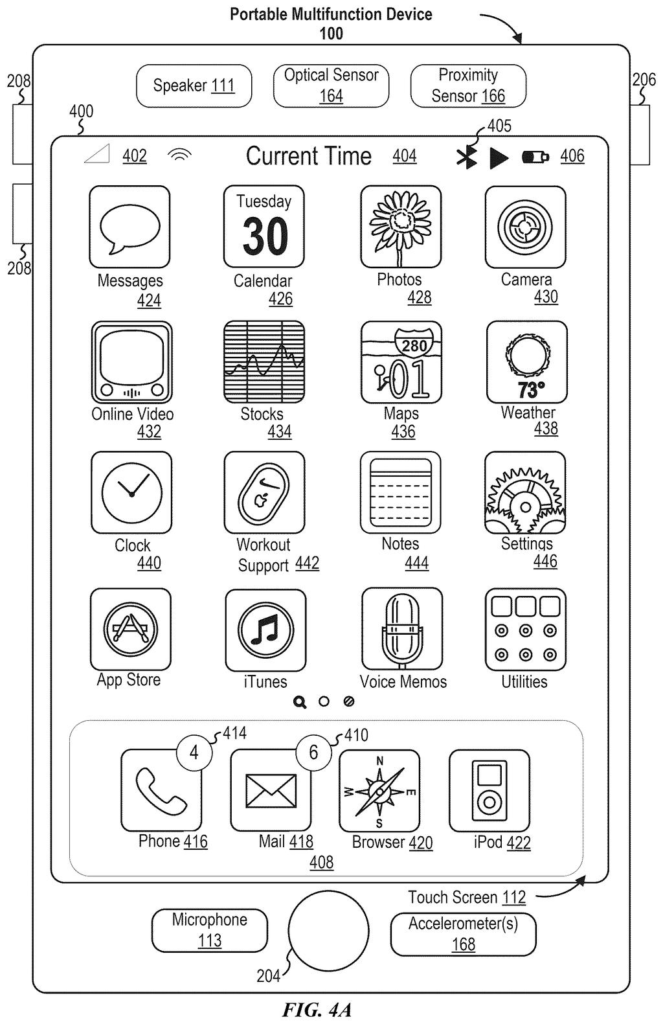
How Apple's context-aware alerts decide to disappear
Notifications often outlive their usefulness. Your phone tells you to grab an umbrella after you've already left the house, or offers a turn-by-turn suggestion while you're already parked. You dismiss it manually, or you ignore it entirely.
Apple's patent describes a smarter version of that experience. The idea is that a notification appears because a specific set of conditions is true at that moment, and disappears automatically when those conditions are no longer true. No tapping dismiss. No clearing a stack of stale alerts later.
The patent also covers what it calls "variable confidence" notifications, which hints at a system that can signal how certain it is that a suggestion is actually relevant to you right now. Together, these two ideas point toward alerts that feel less like interruptions and more like helpful nudges that know when to back off.
… methods and user interfaces for providing proactive contextual notifications and methods and user interfaces for providing variable confidence notifications …
Translation: The technology creates smart popups that appear based on what you are currently doing.
How the system tracks context and dismisses stale alerts
The patent describes a computer system that monitors the device's current context, meaning a defined set of conditions like location, app state, time, or ongoing activity. When that context matches a specific profile, a notification appears overlaid on whatever is already on screen.
The notification surfaces an action that isn't otherwise visible in the current interface. In other words, it's not a duplicate of something you could already tap; it's an option that only exists through the notification itself.
The key mechanism is automatic dismissal. The system continuously checks whether the original context conditions are still met. As soon as the context shifts to a second state that no longer satisfies those conditions, the notification disappears without any user action required. This is distinct from the standard notification model, where alerts persist until manually cleared.
The filing also mentions proactive contextual notifications and variable confidence notifications. The first refers to alerts the system surfaces before a user explicitly asks for something. The second suggests the system can attach a confidence level to its suggestions, potentially displaying a notification differently depending on how certain it is that the suggestion applies. The exact form that confidence signal takes in the UI is not fully specified in the claim.
What this means for Apple's next generation of notification design
Notification fatigue is one of the most common complaints about modern smartphones. Alerts pile up, most of them irrelevant by the time you see them, and the habit of swiping everything away becomes second nature. A system that removes its own notifications when they expire would reduce that pile-up automatically, making the alerts that do stay on screen feel more trustworthy.
For Apple specifically, this fits neatly into the direction the company has been nudging iOS notifications for years, toward fewer, more intentional interruptions. Apple's ongoing push toward proactive, AI-driven UX means this kind of context-awareness could eventually touch everything from Maps and Calendar suggestions to on-device health prompts, as long as the underlying context model is reliable enough to know when to show up and when to leave.
Apple's 376th filing in our Apple coverage since May adds to a privacy push that includes the digital IDs application and the lock screen privacy application.
Nothing in this patent calls for new hardware. The context-monitoring logic described here runs on sensors and processing power phones already carry, so the shortest path to shipping it is essentially writing and testing the code.
The harder part is getting the judgment right. A notification that disappears too early is useless, and one that lingers past its moment is annoying in a new way. The patent gestures at this with its "variable confidence" idea, though it leaves the actual math behind that confidence unspecified.
If Apple gets the underlying context engine solid, the dismissal behavior sitting on top of it becomes almost trivial to build, and the result could make phone alerts feel like they understand you rather than interrupt you.
Get our take in your Top Stories
Liked this breakdown? Add Patentlyze as a preferred source on Google, and our plain-English take shows up more often in your Top Stories the next time Apple patent news breaks.
There are more where this came from
We read every patent application Big Tech publishes and send you the ones worth knowing. Plain English, free, every week.
The drawings
20 drawing sheets from US 2026/0259809 A1 · click any drawing to enlarge


Show the other 12 sheets


Want this weekly breakdown for a company we don't cover? Patentlyze Pro →
Be the first to weigh in