
Apple Patents a Smarter Push Notification Distribution System
Every app on your iPhone quietly registers itself to receive push notifications — one at a time, over and over. Apple's new patent describes a way to bundle all those requests together and manage which notifications actually get through, and when.
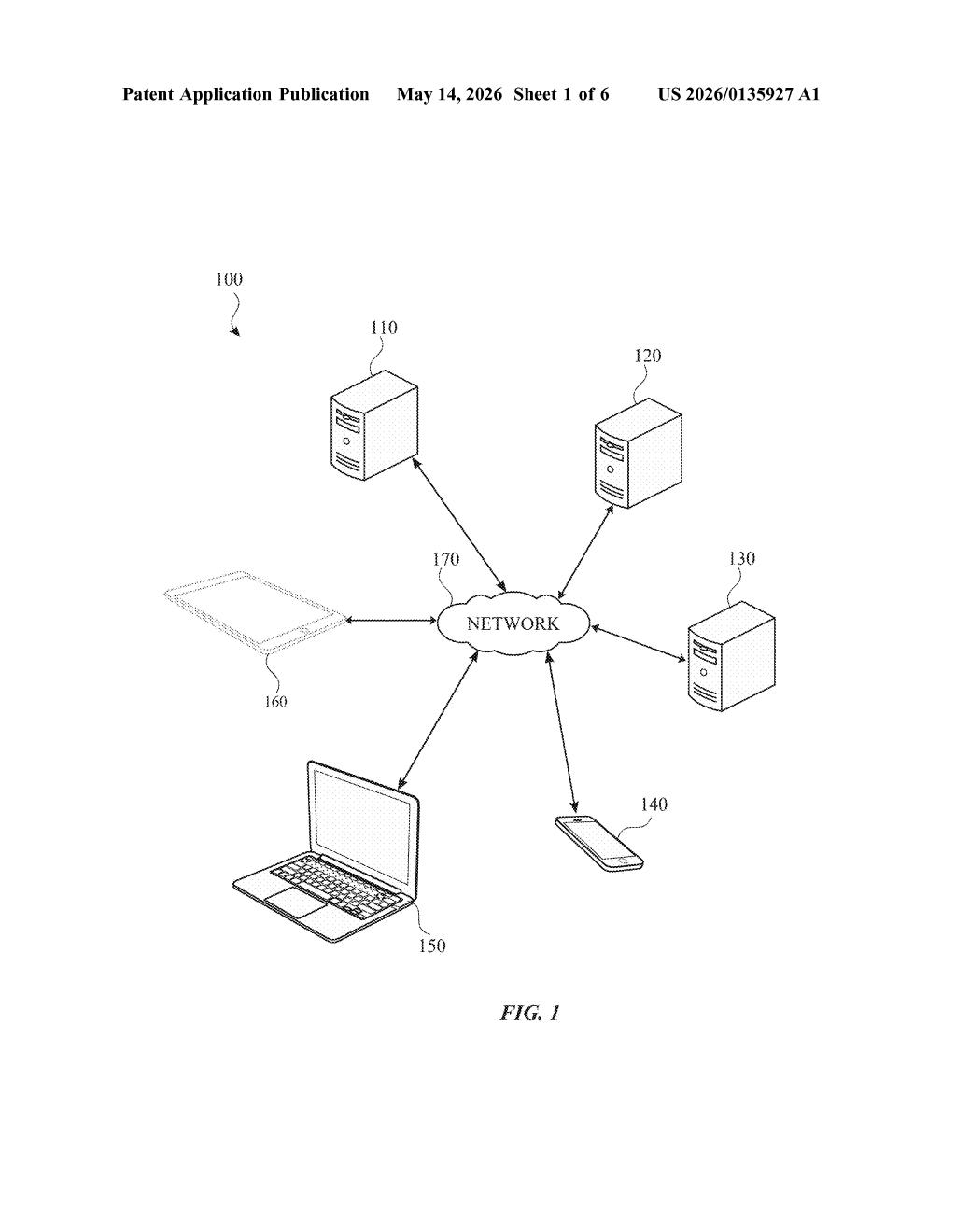
What Apple's batched push notification system actually does
Imagine every app on your phone is knocking on the same door individually, just to say 'hey, I want notifications.' Apple's patent describes a smarter approach: one device collects all those registration requests and sends them as a single, combined message to Apple's servers.
Beyond just bundling registrations, the system also lets Apple — or whoever manages the notification pipeline — tweak the delivery priority of incoming notifications on the fly. So if a certain app is on a list of apps with special handling rules, its notifications can be bumped up or down in urgency before they ever hit your screen.
Think of it like a smart mail room that sorts packages by importance before they reach your door, instead of just dropping everything at once.
How Apple aggregates registration requests across apps
The patent describes a push notification distribution system that operates at two levels: registration and delivery.
On the registration side, when multiple apps on a device each send a registration request (the handshake that tells Apple's push servers 'this device wants notifications for this app'), the system can aggregate those into a single aggregated registration request — sent only when one or more criteria are met. Those criteria aren't fully specified in the claim, but likely include thresholds like 'enough apps are waiting' or 'a timer has elapsed.'
On the delivery side, when an incoming push notification arrives intended for a specific device, the system checks whether the app's identifier appears on a predefined list. If it does, the delivery priority — essentially how urgently the notification is processed and surfaced — can be changed before the notification reaches the device.
- Aggregated registration: bundles per-app registration handshakes into one network call
- Priority management: overrides delivery urgency based on app-level rules
- Centralized control: a second device (Apple's server infrastructure) handles the coordination
What this means for battery life and notification delivery
Batching registration requests might sound like plumbing, but it has real consequences for battery life and network efficiency. Every individual registration call wakes up radios and consumes power — doing it once for ten apps instead of ten times is a meaningful optimization, especially on devices with constrained power budgets like Apple Watch or older iPhones.
The priority management piece is potentially more interesting to you as a user. It suggests Apple is building infrastructure to enforce notification delivery policies at the system level — meaning apps can't just declare their own notifications as high-priority and jump the queue. That has implications for how Focus modes, notification summaries, and app-level controls could work in future versions of iOS.
This is quiet infrastructure work — the kind of patent that doesn't generate headlines but probably ends up in iOS and watchOS within a release cycle or two. The batching optimization is straightforward engineering hygiene. The priority-override mechanism is the more interesting thread, because it implies Apple wants tighter system-level control over which notifications actually interrupt you — which fits neatly into the direction they've been pushing with notification summaries and Focus in recent iOS versions.
There are more where this came from
We read every patent application Big Tech publishes and send you the ones worth knowing. Plain English, free, every week.
Want this weekly breakdown for a company we don't cover? Patentlyze Pro →