
Apple Patent Tailors Audio to Your Individual Hearing Test Results
Apple is patenting a system that doesn't just give you a hearing test, it uses your results to automatically tweak different kinds of audio differently, so music, speech, and other sounds are each adjusted in the way that suits your ears best.
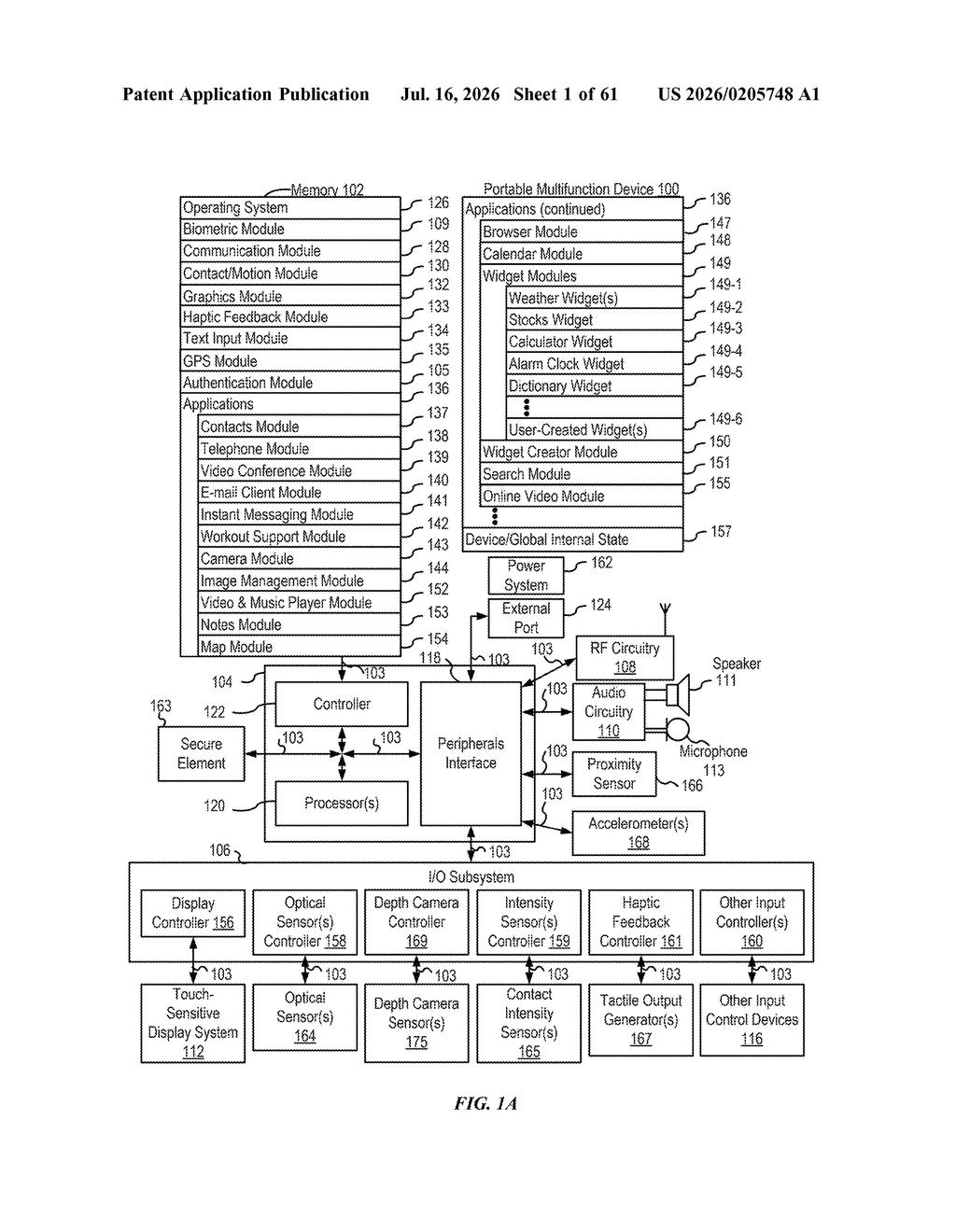
What Apple's hearing health system actually does for you
Imagine you get a hearing check at the doctor's office and walk away with a prescription. Now imagine your headphones could actually fill that prescription automatically, adjusting every sound before it reaches your ears. That's the direction Apple is heading here.
This patent describes a system where your device runs a hearing test, prompting you to respond when you can barely hear a quiet tone, and stores the results. From that point on, it applies audio adjustments based on what you can hear, not a generic average.
The twist is that it doesn't apply a one-size-fits-all fix. Different types of audio get different corrections. A podcast might be adjusted one way, music another. The system also shows you a real-time indicator of how noisy your environment is, so you know whether background sound might be interfering with the test or your listening experience.
How Apple sorts audio types and applies different corrections
At the core of this patent is a system that runs an on-device hearing test and then stores two separate sets of audio characteristics based on the results. When audio comes in, the device checks what kind of audio it is before deciding how to modify it.
- Type 1 audio (say, speech or a phone call) gets processed using one set of hearing-based adjustments.
- Type 2 audio (say, music or environmental sound) gets processed using a different set of adjustments tuned for that category.
This matters because the way you struggle to hear a whispered voice is not the same as the way you struggle to hear a low bass note. A flat correction that helps with one might not help with the other.
The patent also describes the hearing test interface itself: the device prompts the user to start the test, plays tones at varying volumes, and detects the faintest level at which the user signals they can hear something. A visual indicator of ambient noise is shown during the test, so both the user and the system know whether background sound could be affecting the results.
What this means for AirPods and iPhone hearing features
Apple already sells AirPods Pro with basic hearing protection and a limited hearing test feature introduced in late 2024. This patent suggests the company is working on the next layer: applying test results in a more personalized and category-aware way rather than applying one uniform correction across all audio.
For you, the practical difference is significant. If your hearing loss is primarily in the high frequencies that affect consonant sounds in speech, a system like this could sharpen voices without over-boosting the treble in your music. That kind of targeted correction is closer to what an audiologist programs into a hearing aid than what current consumer headphones offer.
This is one of the more consequential hearing-tech patents Apple has filed. The idea of classifying audio by type before applying hearing corrections is a real engineering step beyond what's in AirPods today, and it maps directly onto how audiologists actually think about hearing loss. If this ships, it would move AirPods meaningfully closer to clinical hearing-aid territory.
There are more where this came from
We read every patent application Big Tech publishes and send you the ones worth knowing. Plain English, free, every week.
Want this weekly breakdown for a company we don't cover? Patentlyze Pro →