
Apple Patents an Optical Touch Sensor That Ignores Water Droplets
Water on a touchscreen has always been the enemy — it fools capacitive sensors into thinking ghost fingers are tapping everywhere. Apple's latest patent describes an optical approach that can tell the difference between your actual fingertip and a rogue water droplet.
What Apple's water-ignoring touch sensor actually does
Imagine you're following a recipe and your hands are wet, or you're swimming with your phone in a waterproof case. Current iPhones use capacitive touch — electricity-based sensors that can't distinguish water from skin, so the display goes haywire. Apple wants to fix that.
This patent describes an optical touch sensor built directly into the display that fires tiny beams of light through the screen's cover glass and watches how they bounce back. A real fingertip scatters light differently than a water droplet, and the sensor is designed to exploit that difference.
The secret weapon is a set of angular filters — microscopic light gates placed over the sensors that only let in light arriving from specific angles. Water droplets tend to reflect light straight back (perpendicular to the screen), while a fingertip scatters it at shallower, wider angles. By blocking the perpendicular reflections, the sensor can effectively ignore water and keep registering your touch accurately.
How angular filters separate fingers from water drops
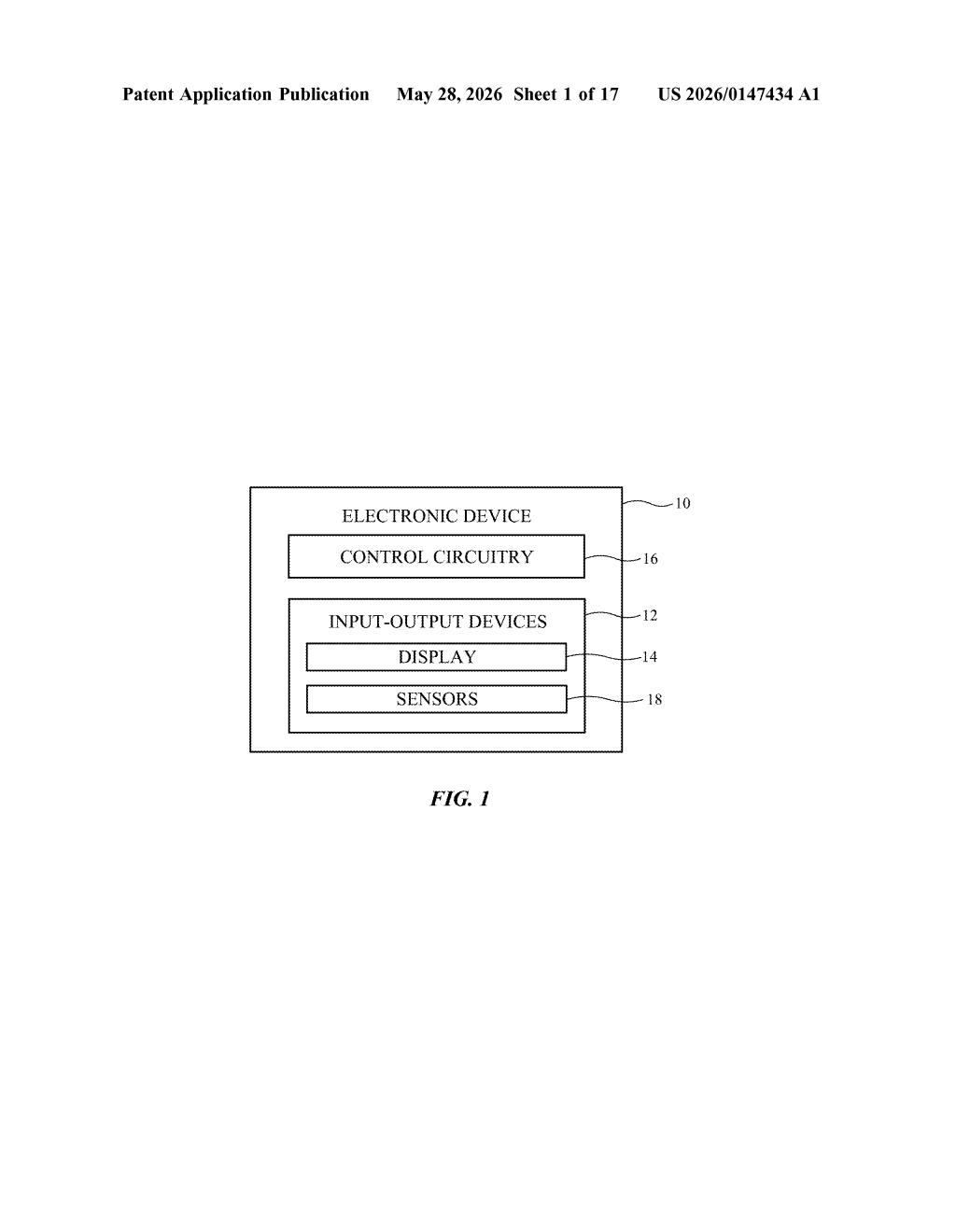
The system integrates light sources (likely micro-LEDs, which the patent notes are crystalline semiconductor dies) and light detectors directly onto the same substrate as the display's image pixels. That means the touch-sensing layer lives inside the display stack itself, not as a separate overlay.
When you touch the screen, total internal reflection changes — light that was bouncing around inside the cover glass now escapes toward your finger and scatters back to the detectors. The sensor catches that change and registers a touch. Water droplets create a similar optical disruption, which is the core problem.
The fix is the angular filter array placed over each light detector. The patent describes two variants:
- On-axis blocking filters — block light arriving parallel to the screen's surface normal (i.e., straight up-and-down reflections, which water produces).
- Off-axis blocking filters — block light arriving at oblique angles, passing only the near-perpendicular light a fingertip generates.
By tuning which angles reach the detectors, Apple can bias the sensor toward finger-like reflections and away from droplet-like ones. The system doesn't need to "know" about water explicitly — it's baked into the optics.
What this means for future waterproof iPhones
Today's waterproof iPhones are rated for submersion under IEC 68-2-68 standards, but the touch experience underwater or in rain is still broken — most people just wait until the screen dries. If Apple ships this, you'd get a display that actually works when wet, which changes the calculus for outdoor, sports, and industrial use cases where getting a device wet is unavoidable.
There's also a broader display architecture angle here. Putting both image pixels and optical sensors on the same substrate — using micro-LED dies — suggests Apple is continuing to push toward fully integrated, under-display sensing. That could eventually reduce the thickness of the display stack and open the door to more sensors (proximity, biometric) sharing the same optical layer.
This is a genuinely interesting engineering problem with a clean optical solution. The angular filter approach is elegant — rather than adding complex signal processing to sort fingers from water in software, Apple is solving it in the physical optics layer. Whether this makes it into a shipping product soon depends on how mature the micro-LED display program is, but the underlying idea is solid and addresses a real pain point that every current waterproof phone fails to solve.
There are more where this came from
We read every patent application Big Tech publishes and send you the ones worth knowing. Plain English, free, every week.
Want this weekly breakdown for a company we don't cover? Patentlyze Pro →