
A New Apple Patent Stops Your Phone Hunting for Cell Towers While You Sit Still
Your phone keeps checking for better cell towers even while it sits on your desk. Apple's filing describes a way for it to stop when you aren't going anywhere.
What Apple's stay-put cell scanning fix does
Ever notice your battery drain while your phone just sits on the couch? Part of the reason is that it keeps listening for other cell towers, in case a better one is nearby. That makes sense on a commute. It makes much less sense when you haven't moved in an hour.
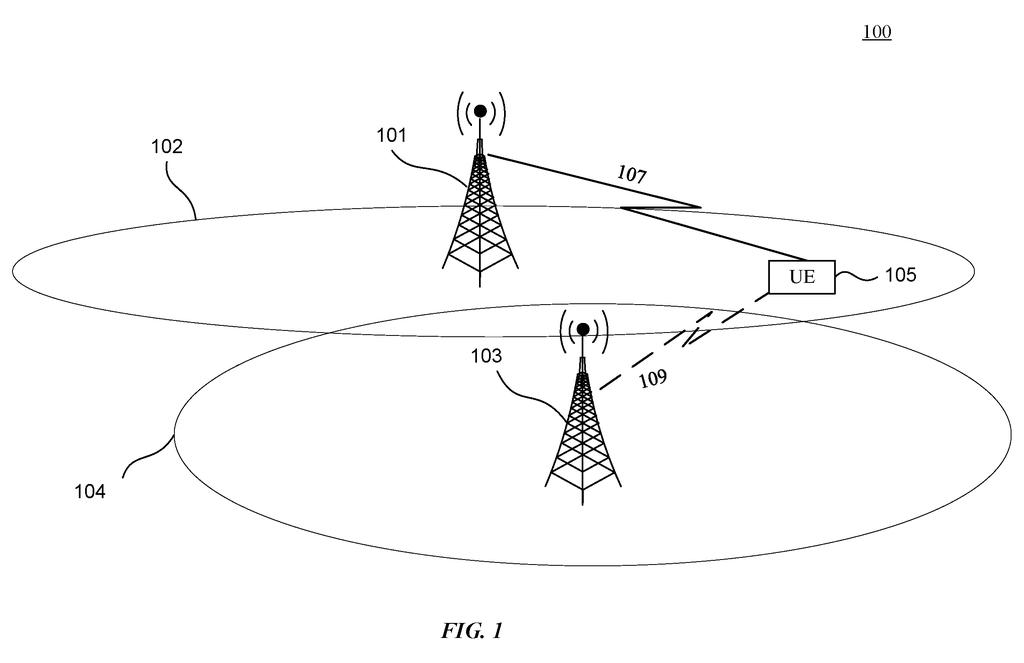
Apple's filing describes a phone that checks whether it is staying put, then looks at a few extra clues: Is it at a place you've saved, like home or work? Is the battery low? Is it busy with background chores like email syncing? If the answers line up, it stops hunting for other towers.
If you start moving, or the tower you're connected to gets crowded or weak, the phone starts looking again.
determine whether a movement state associated with the UE satisfies one or more movement conditions …
Translation: The phone checks if you are actually moving around.
How the phone decides when to stop scanning
The patent covers a phone (the filing calls it a "user equipment") that first decides whether its movement state meets certain conditions, such as being stationary for a set time, or moving slower than walking or driving speed. It can tell using GPS, an accelerometer, a gyroscope, or by comparing signals from nearby towers and Wi-Fi access points (called location fingerprinting).
Once that test passes, the phone gathers more information. This can be its location (the filing mentions places such as home or work, learned from an app like Maps), its battery level, or whether background tasks like email or calendar syncing are running. If those conditions are met, the phone ceases signal measurements on neighboring cells. These are the checks of other towers or other network types that normally support switching to a better connection.
The filing also lists reasons to start measuring again:
- The phone starts moving past a set threshold.
- The tower it is using is congested or barred.
- The tower's signal drops below an acceptable level.
- The network changes its priority information, or the phone is being paged for a voice call.
It also describes keeping a table of which frequencies are used at each saved place, so a phone that does move there only checks those.
… cease, at least based on the operational information and one or more operational conditions being satisfied, a signal measurement associated with a neighbor cell …
Translation: The device stops searching for nearby cell towers to save battery when you stay still.
Why this matters for your iPhone battery life
Battery life is one of the few things every phone owner cares about, and this targets a drain that happens when you're doing nothing. If your phone stops scanning while it sits at your desk or on your nightstand, you could see small but real savings across a day.
The design also keeps safety valves. The phone resumes checking if you move, if the tower gets crowded, or if the signal weakens, so your connection should not suffer. The filing says it applies to 5G and LTE phones, and also lists watches, laptops and car devices, so the idea could reach well beyond the iPhone.
Apple's 557th filing in our Apple coverage since May adds to a picture that includes a headset that reads your mood and moving a caller's avatar on screen.
The cost of this design is a phone that is a little less alert. By ignoring other towers while you sit still, it could miss a better connection that appears nearby, such as a newly improved tower or a faster network type. The filing guards against this with its restart triggers, and those are sensible safeguards.
The riskiest piece is the guesswork. The phone has to trust its own sense of "I'm staying put" and "this is home," and a wrong call could leave you on a weaker signal until one of the triggers fires.
Most people would accept that tradeoff for extra battery. A small saving repeated across hours of idle time is something you would feel in your battery meter without ever noticing the cause, and that is exactly where quiet engineering earns its keep.
Get our take in your Top Stories
Liked this breakdown? Add Patentlyze as a preferred source on Google, and our plain-English take shows up more often in your Top Stories the next time Apple patent news breaks.
There are more where this came from
We read every patent application Big Tech publishes and send you the ones worth knowing. Plain English, free, every week.
The drawings
5 drawing sheets from US 2026/0333236 A1 · click any drawing to enlarge


Want this weekly breakdown for a company we don't cover? Patentlyze Pro →
Be the first to weigh in