
Apple Patent Would Pre-Load Cell Tower Data to Speed Up Connections
What if your phone already knew which cell tower to connect to before you arrived? Apple has filed a patent that does exactly that, using a predicted location to pre-load the connection details your device will need.
What Apple's location-predictive cell setup actually does
Imagine you're on a video call while walking toward the subway entrance. Your phone scrambles to find a new cell tower the moment you move out of range of your current one, and for a second or two, the call stutters or drops entirely. That gap happens because your phone has to discover and negotiate with a new tower from scratch.
Apple's patent describes a system where one device (say, a server or a companion device) figures out where you're going to be at a future moment, then looks up the connection details for the cell tower that serves that location. It sends those details to your phone before you get there.
The result is that your phone already has its homework done when it arrives in a new coverage zone. Instead of starting the connection process cold, it can jump straight to connecting. Think of it like a hotel sending your room key to your phone before you even check in.
How the first device predicts and pushes tower credentials
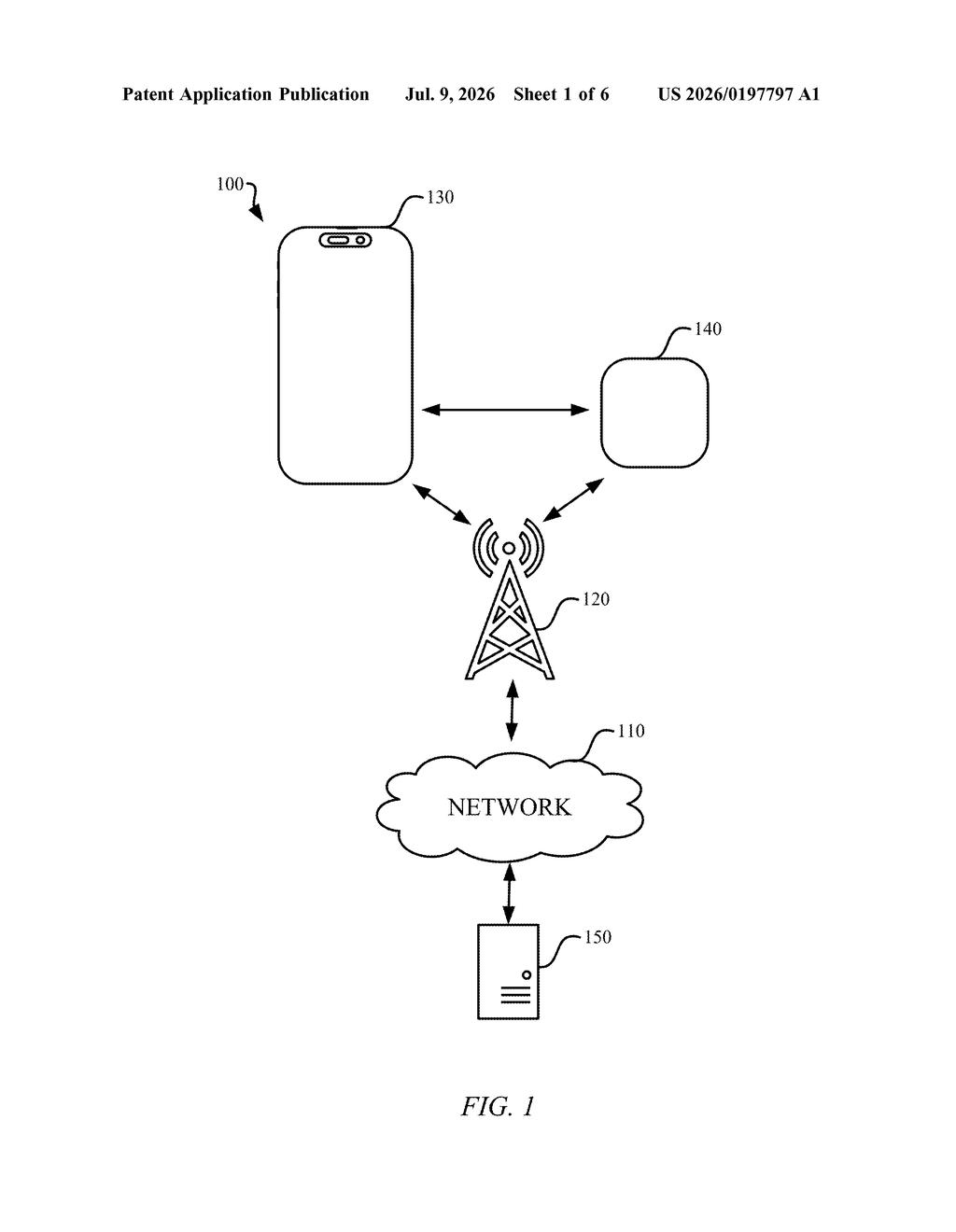
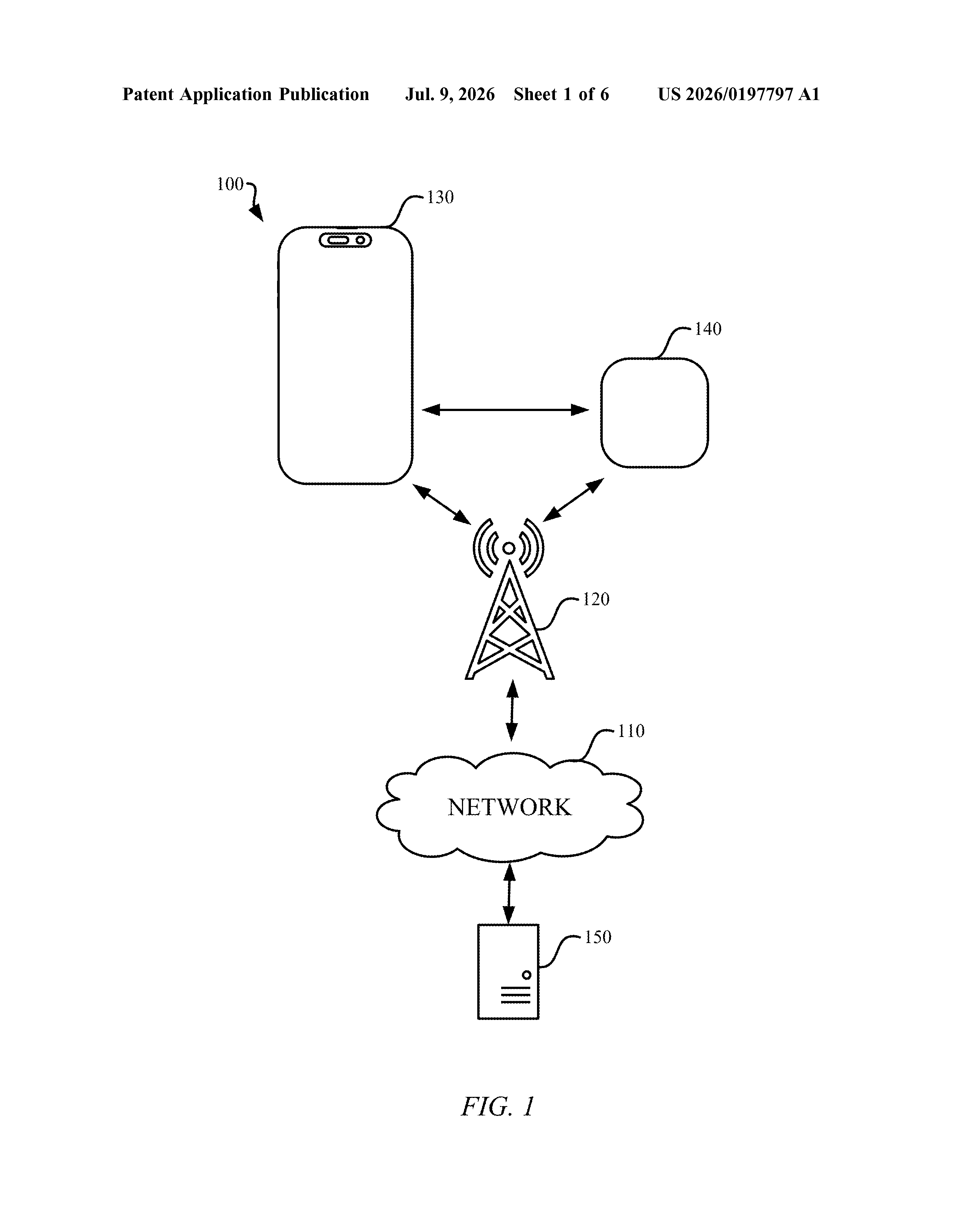
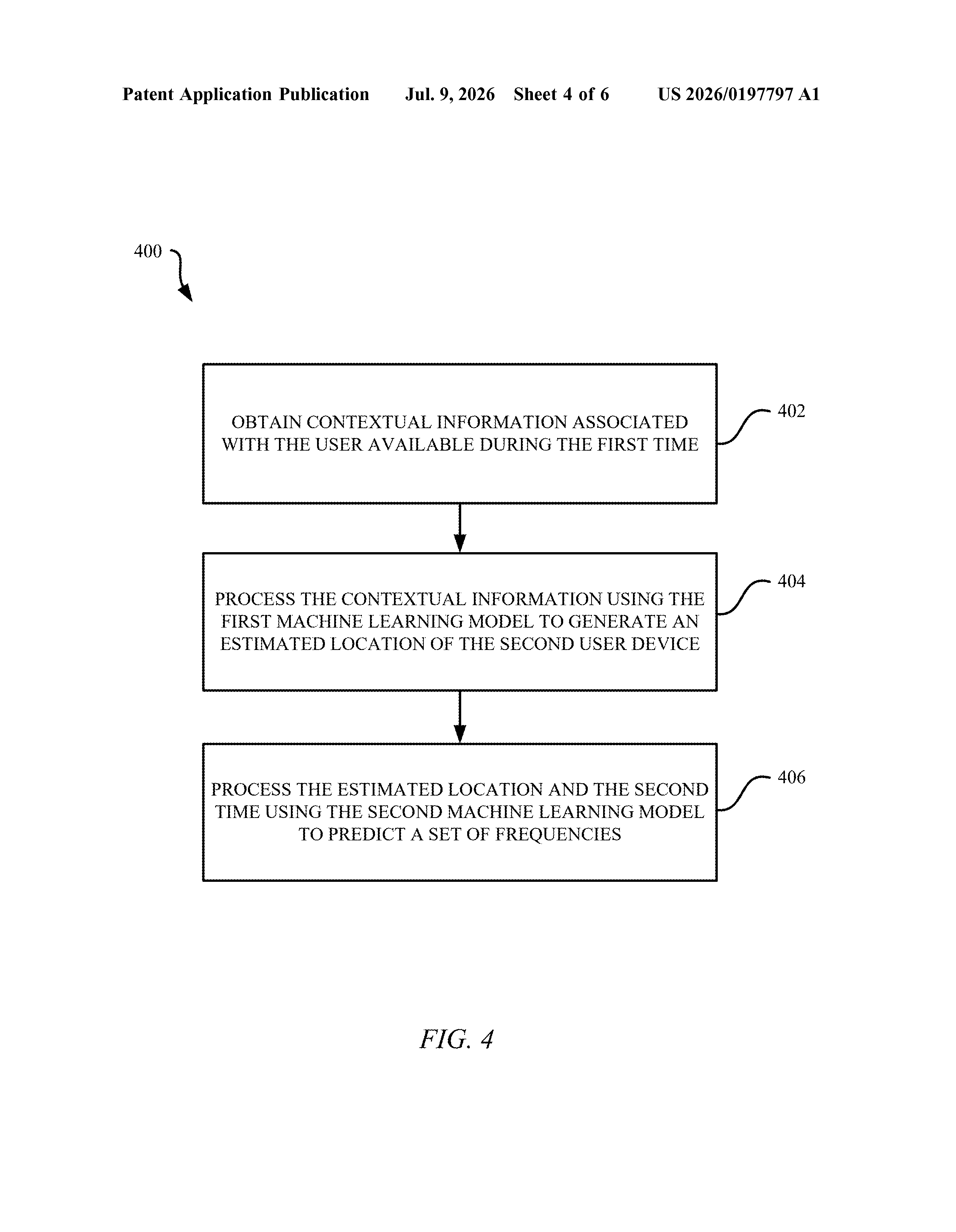
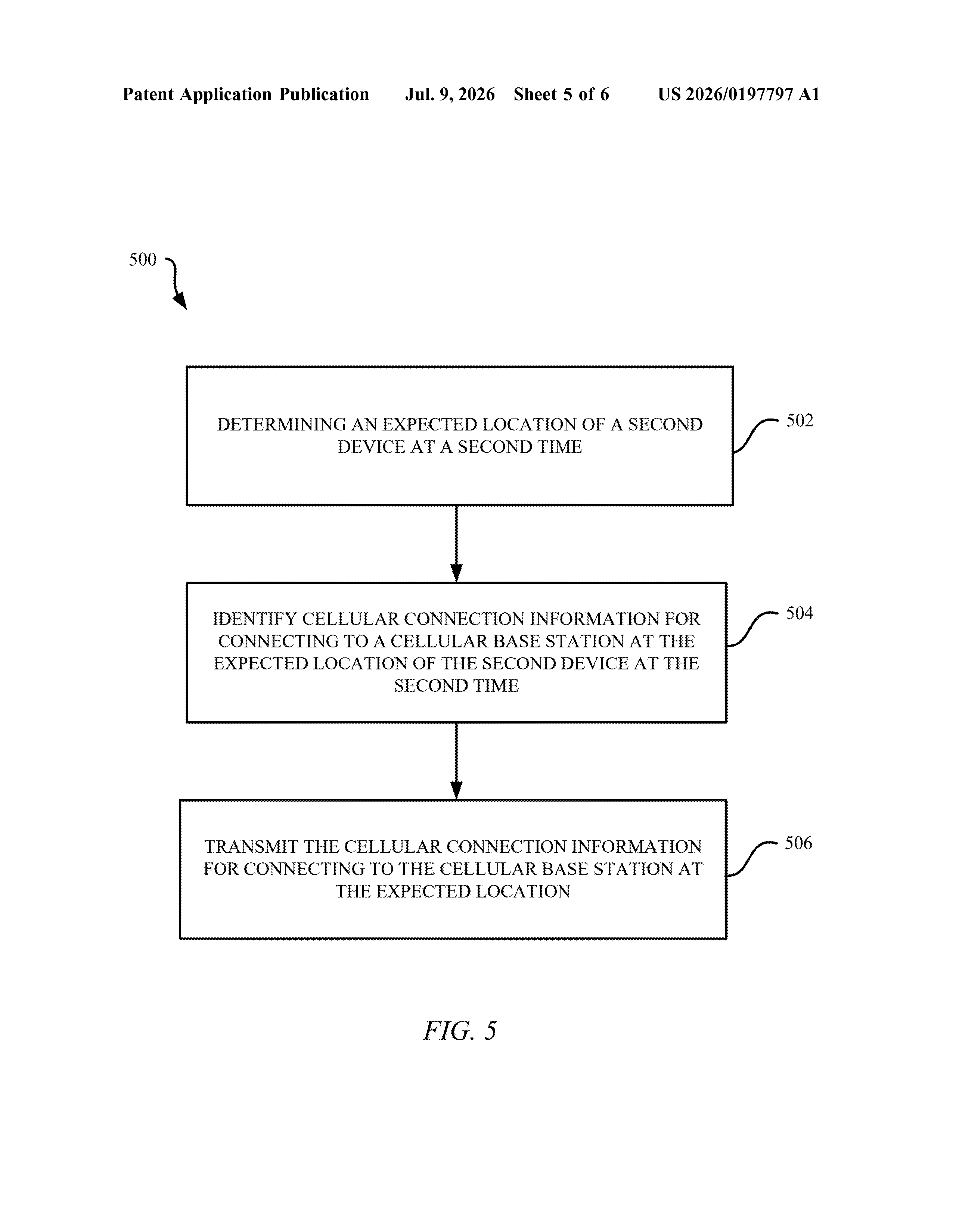
The patent describes a two-device system. A first device (which could be a server, a home hub, or another Apple device) monitors or predicts the expected location of a second device (your iPhone or iPad) at a future point in time.
Once the first device has that predicted location, it identifies the cellular connection information for the base station (cell tower) that covers that area. This includes the technical credentials and parameters needed to register with that tower, things your phone would normally have to request and receive on its own after arrival.
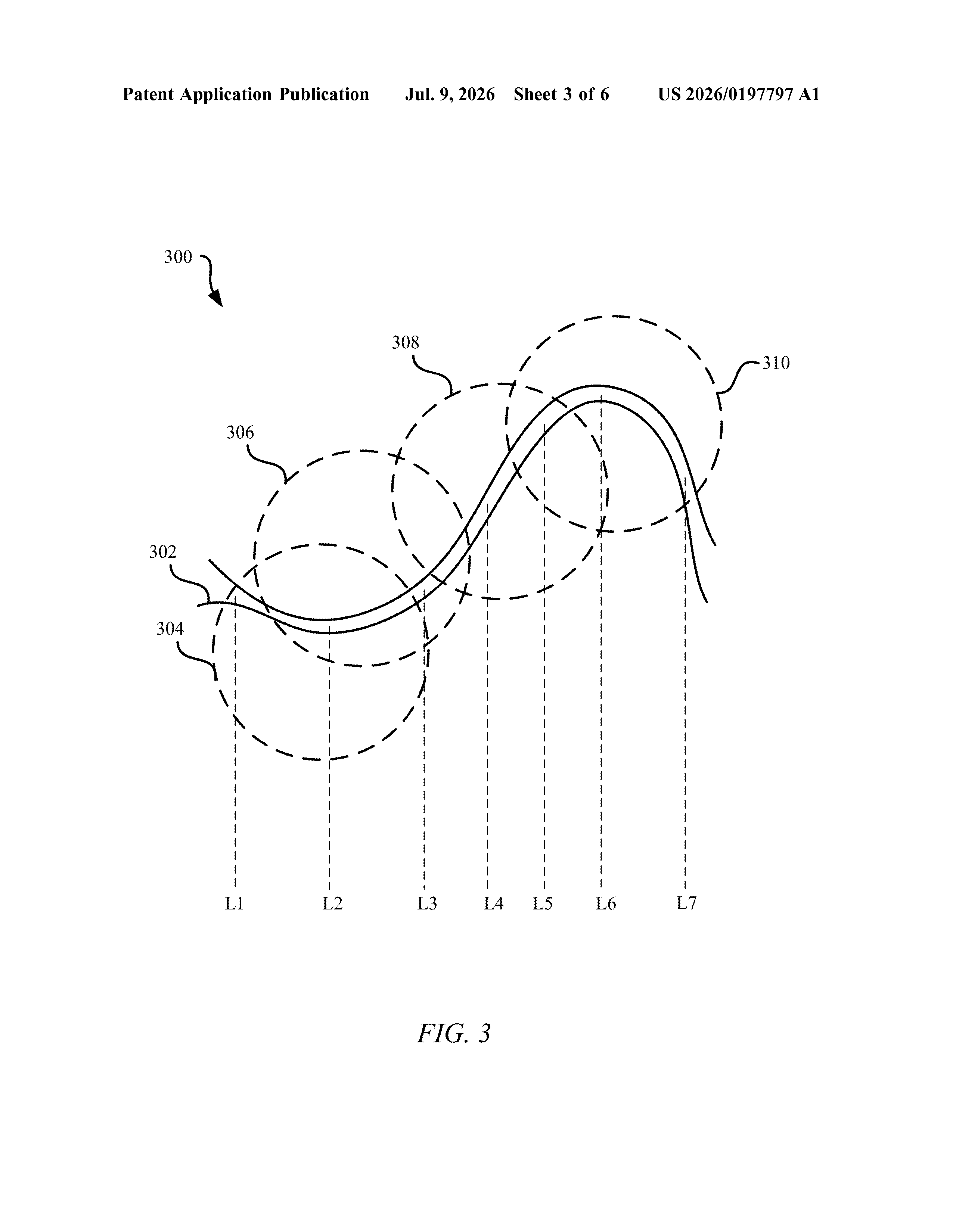
That connection data is then transmitted to the second device in advance, so when your phone physically reaches the expected location, the tower handshake is already primed. The patent doesn't specify exactly how location is predicted, but the mechanism implies calendar data, travel patterns, or GPS trajectory could all be inputs.
Key components the patent covers:
- A prediction step that estimates where device two will be at a specific future time
- A lookup step that retrieves the relevant cellular tower's connection data
- A transmission step that pushes that data to the target device proactively
What this means for dropped calls and cellular handoffs
Dropped calls and slow reconnection moments are one of the most persistent annoyances in mobile networking, and they happen most often at predictable transition points: leaving a building, entering a tunnel, crossing a coverage boundary on a commute. If Apple can front-load the tower handoff data for those known moments, connection gaps could shrink significantly without any change to the underlying cellular infrastructure.
For you as a user, this could mean smoother calls during your morning commute, faster data restoration when you leave the office, and fewer of those frustrating seconds where your phone shows bars but nothing loads. It also hints at a broader Apple strategy of using device intelligence and inter-device coordination to paper over gaps in carrier network performance, things Apple doesn't control but still gets blamed for.
This is a practical, unglamorous fix for a real problem that affects every smartphone user every day. It's not a flashy AI feature, but pre-loading cell tower credentials based on predicted location is the kind of quiet infrastructure work that makes a phone feel more reliable. Whether Apple ships this as a visible feature or buries it in iOS background processes, it's worth paying attention to.
There are more where this came from
We read every patent application Big Tech publishes and send you the ones worth knowing. Plain English, free, every week.
The drawings
6 drawing sheets from US 2026/0197797 A1 · click any drawing to enlarge
Want this weekly breakdown for a company we don't cover? Patentlyze Pro →
Be the first to weigh in