
Qualcomm Patents Technology That Detects Moving Objects Using Radio Waves, No Camera Needed
Qualcomm is working on a way to track moving objects using ordinary radio signals, no cameras or dedicated sensors required. The trick is comparing tiny frequency shifts between multiple signal bounces.
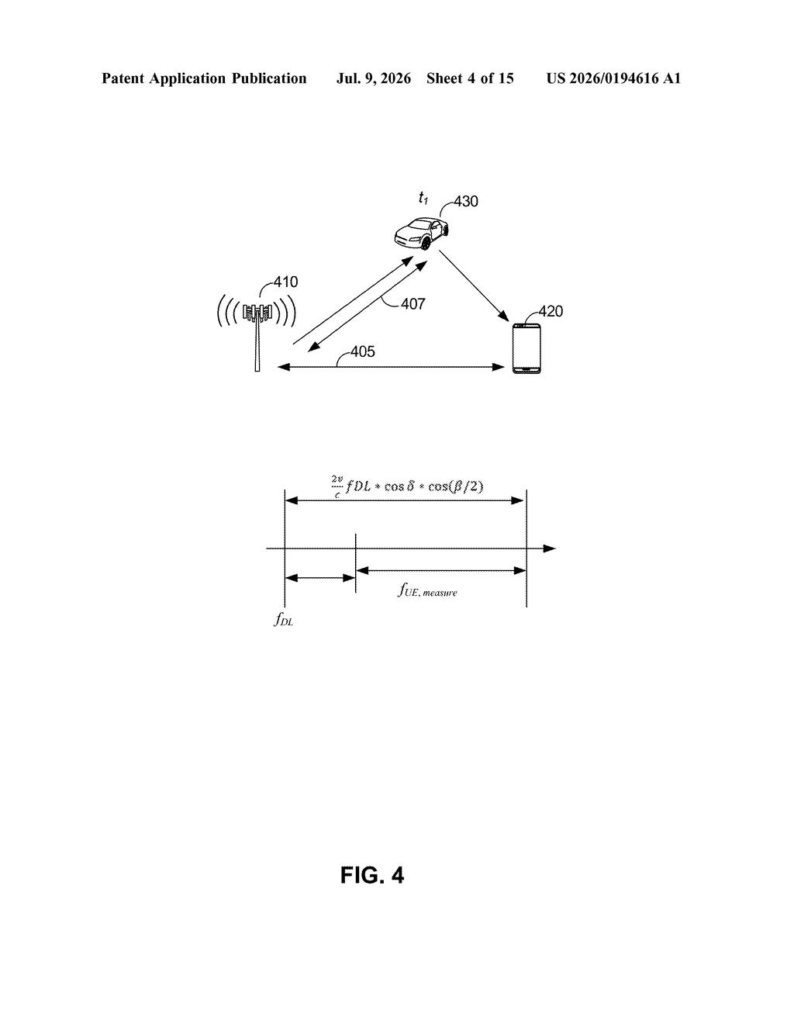
How Qualcomm's radio sensing tracks moving objects
Imagine you're standing near a busy road. When a car drives toward you, the sound of its engine seems higher-pitched, and as it drives away, the pitch drops. That's the Doppler effect, and radio waves work the same way. Qualcomm's patent applies this idea to wireless tracking.
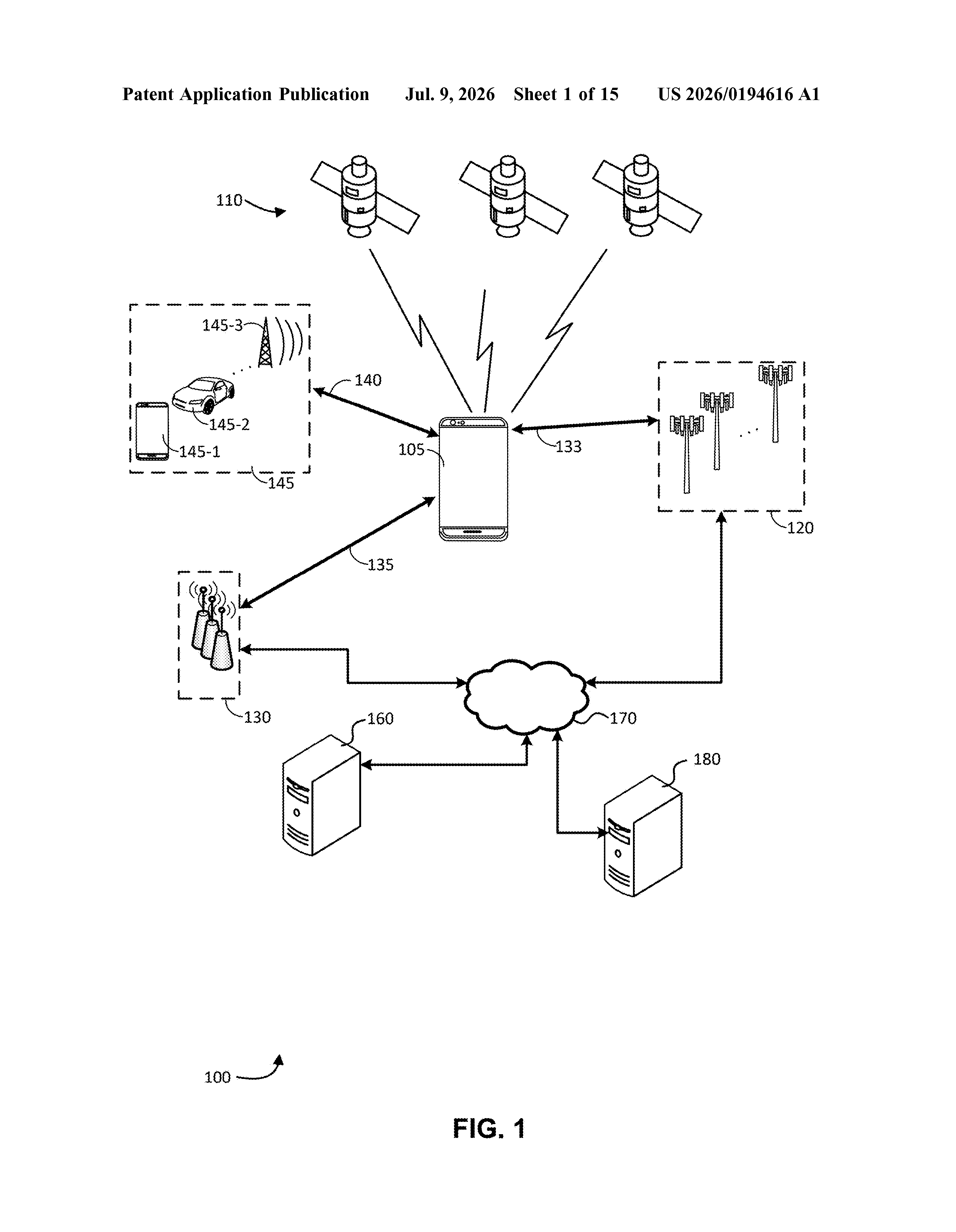
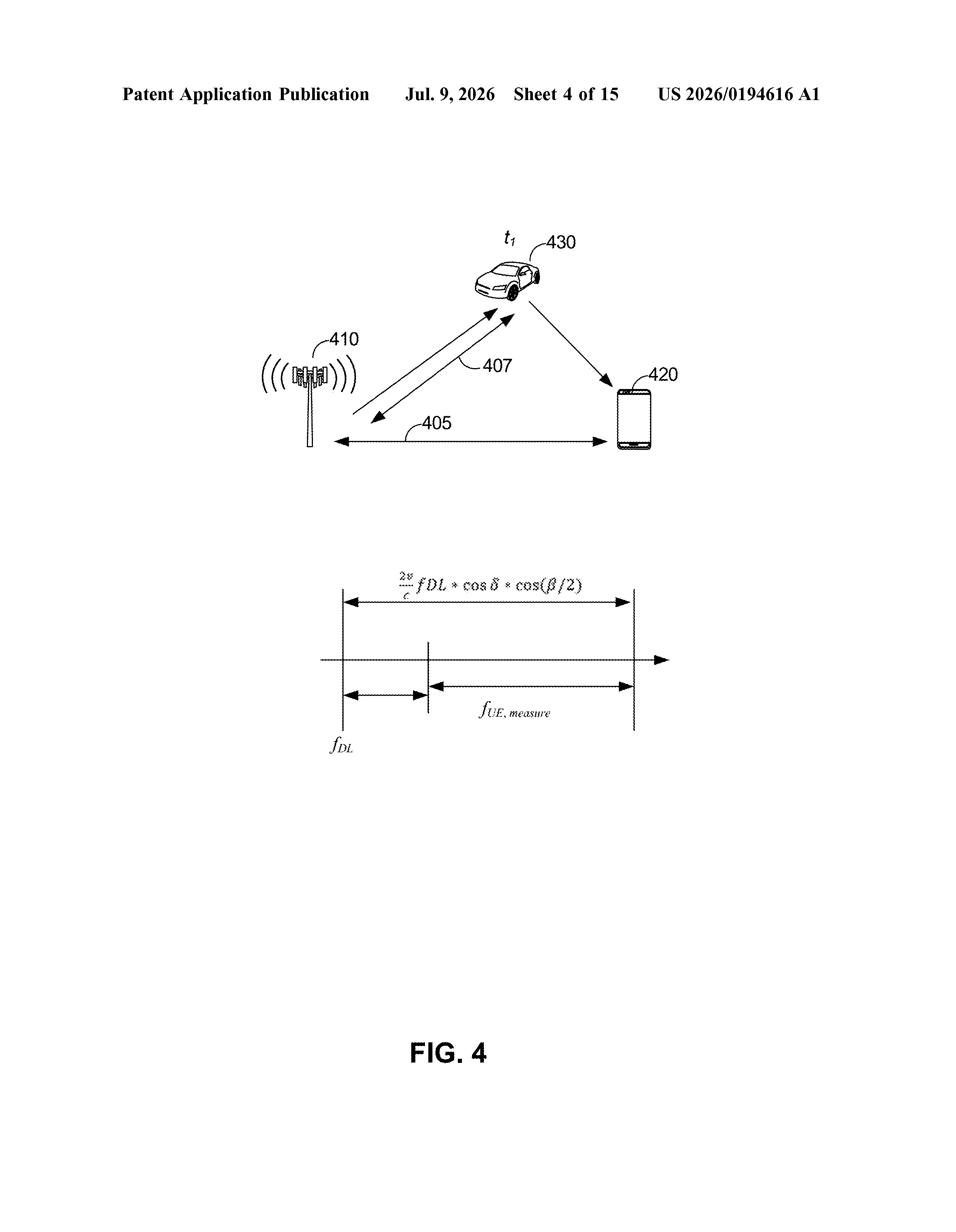
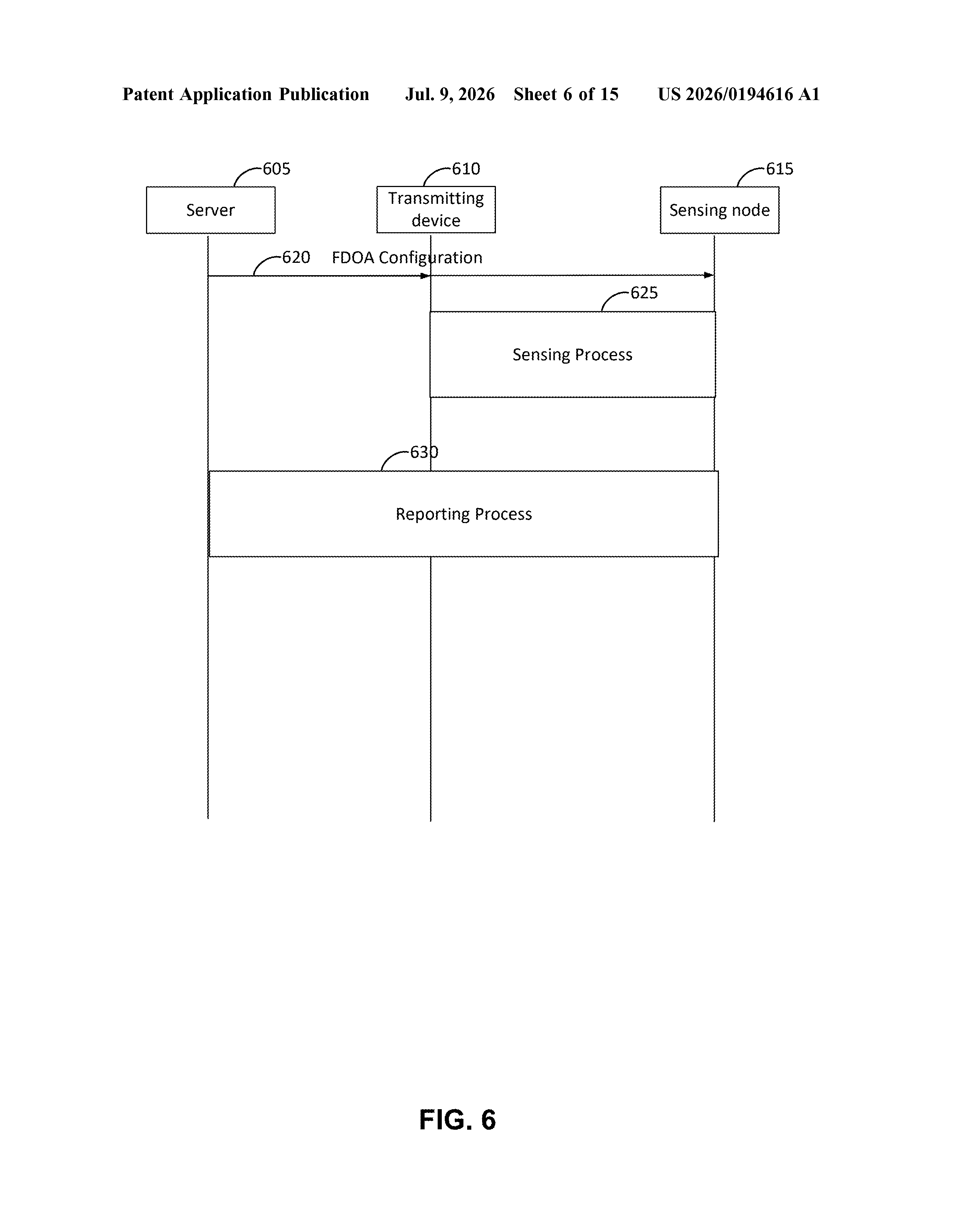
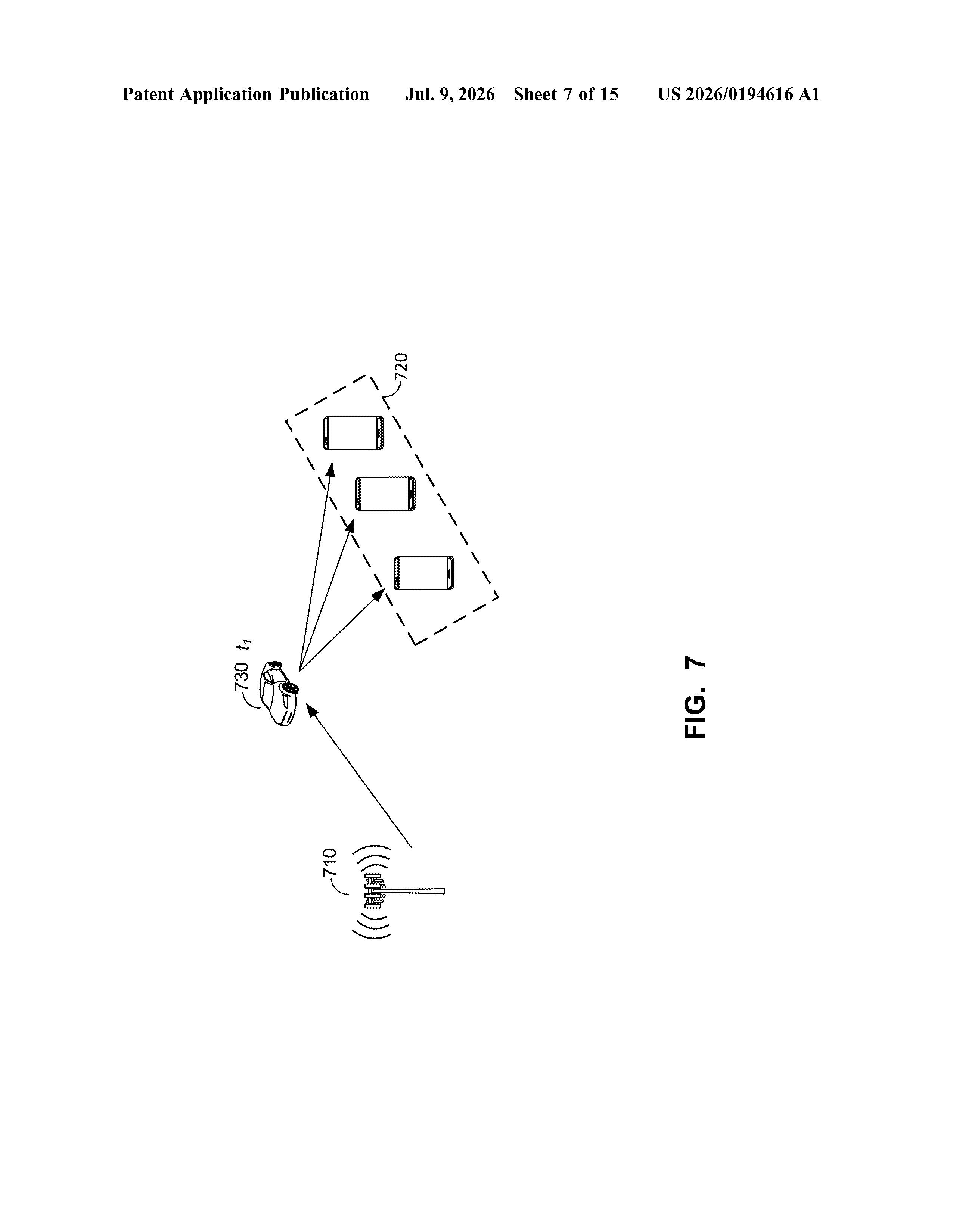
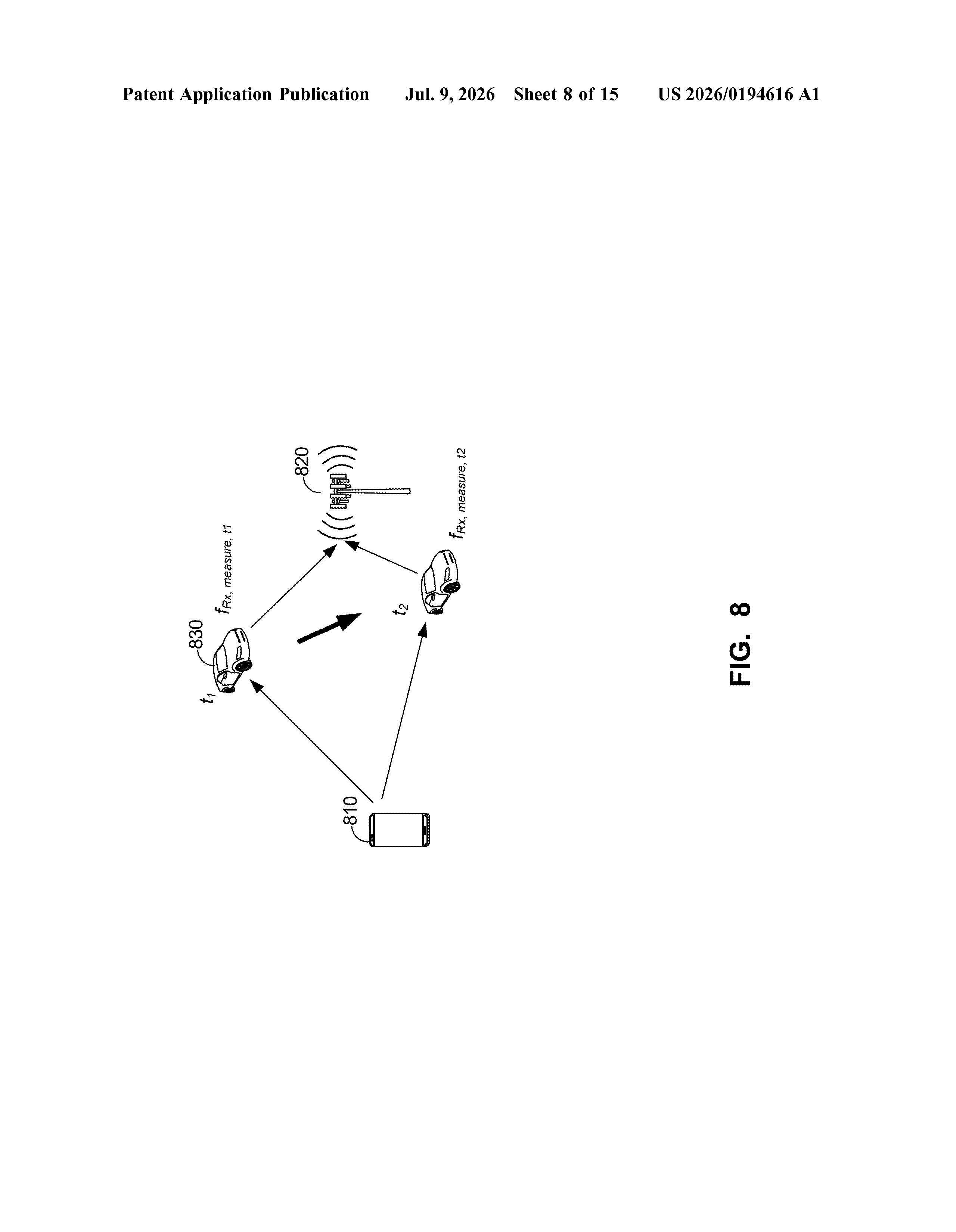
A transmitting device sends out several radio signals at different moments. Each signal bounces off nearby objects and comes back slightly changed in frequency, depending on how fast those objects are moving. A server collects these reflected signals and compares the frequency differences between them to figure out how an object is moving.
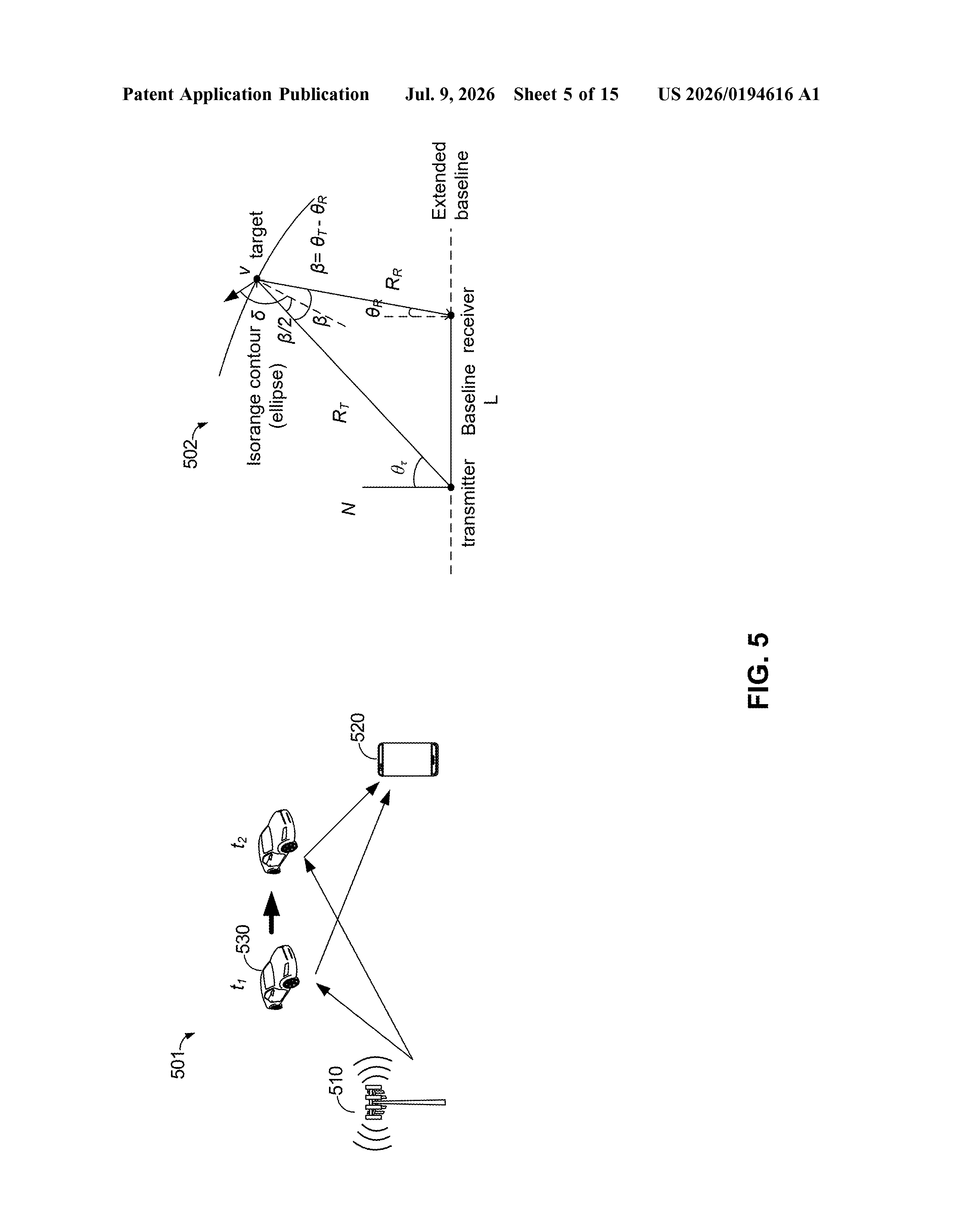
What makes this patent specific is that it separates out the motion of the reflector (the object being tracked) from the motion of the transmitter itself. That matters because in the real world, both the device sending the signal and the thing you're trying to track may be moving at the same time.
How the differential Doppler calculation works
The system uses a technique called Frequency Difference of Arrival (FDOA), which measures how much the frequency of a reflected radio signal has shifted compared to another reflected signal. Think of it as comparing two echo recordings of the same noise to see how much the pitch changed between them.
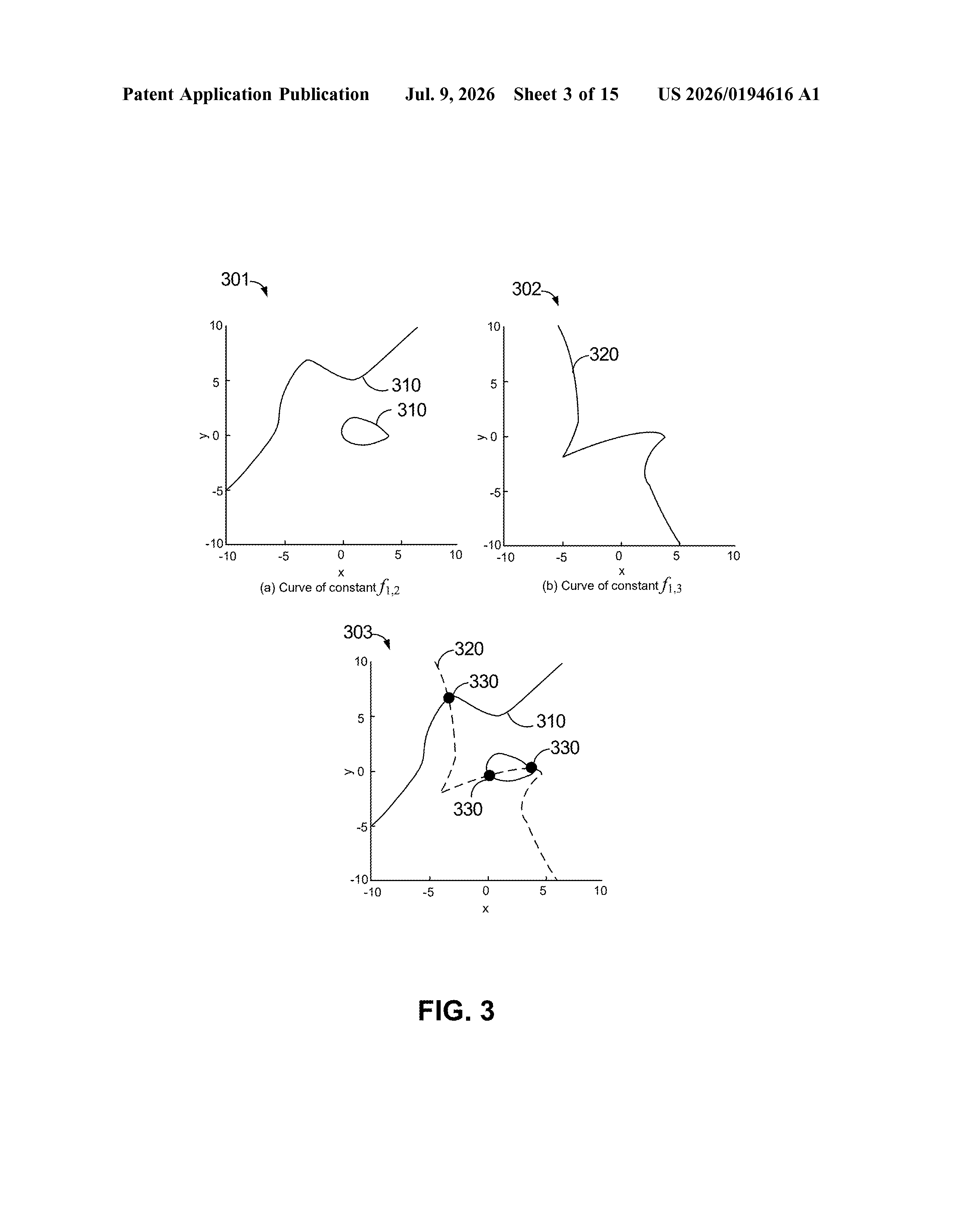
A transmitting device sends three separate radio frequency signals at three different points in time. The reflections from each of those signals are collected and compared in pairs, producing two FDOA measurements. These measurements capture the combined Doppler effect of both the moving object and the moving transmitter.
The server then works through the math:
- It obtains independent Doppler information about the reflector (the object being tracked) from other means.
- It uses the two FDOA measurements alongside that reflector Doppler data to isolate the Doppler motion of the transmitting device itself.
- This separation allows accurate motion estimates even when both the tracker and the tracked object are moving simultaneously.
The approach is essentially a subtraction problem: once you know how much of the frequency shift is caused by the reflector, you can strip that out and see what's left from the transmitter's own movement.
What this means for wireless sensing and device tracking
Passive radio-based sensing is a growing area across wireless standards, including Wi-Fi and cellular networks. If a device can use its existing radio hardware to detect motion, you get a sensing layer essentially for free, without dedicated radar hardware or cameras that raise privacy concerns.
For Qualcomm, which supplies chips for a huge share of the world's smartphones, Wi-Fi routers, and base stations, baking motion-sensing capabilities into radio firmware is a natural extension of what its hardware already does. This kind of sensing could support gesture detection, indoor positioning, or security monitoring. The patent's specific contribution, untangling the motion of the transmitter from the motion of the target, is a technical hurdle that matters in any real-world deployment where neither the device nor the object being tracked is sitting still.
This is a solid, narrowly scoped engineering patent addressing a real problem in radio sensing: when everything is moving, it's hard to know what's causing the frequency shift you're measuring. Qualcomm's approach of using three timed signals to produce two differential measurements, and then solving for device motion separately, is methodical rather than flashy. It reads like infrastructure work for future sensing standards rather than a product announcement.
There are more where this came from
We read every patent application Big Tech publishes and send you the ones worth knowing. Plain English, free, every week.
The drawings
15 drawing sheets from US 2026/0194616 A1 · click any drawing to enlarge
Want this weekly breakdown for a company we don't cover? Patentlyze Pro →
Be the first to weigh in