
Qualcomm Patents a System That Tells Networks Where Wireless Signals Actually Reach
Qualcomm is working on a way for wireless devices to tell the network exactly where their radio-based sensing signals are actually reaching, so the network stops wasting power broadcasting into dead zones.
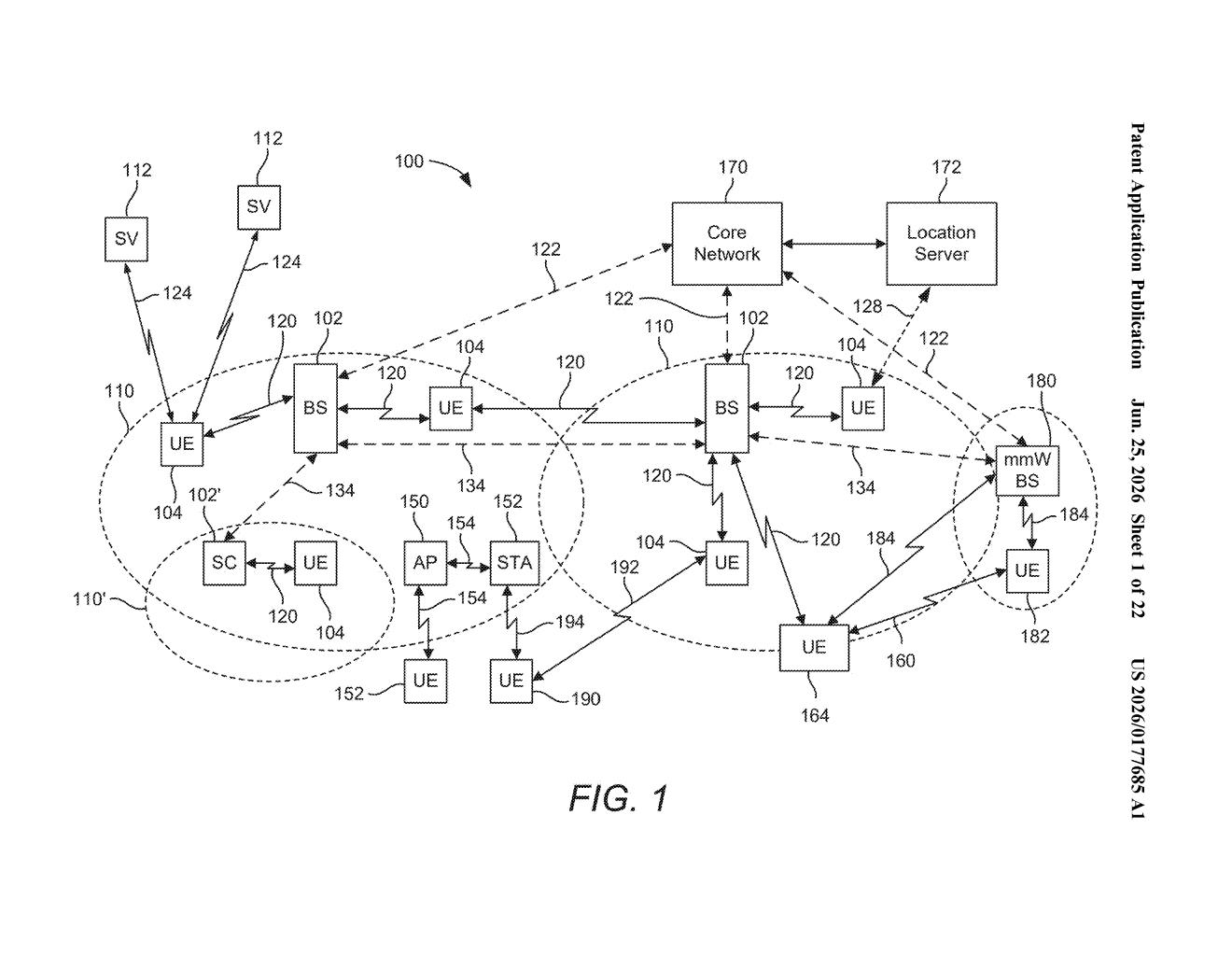
What Qualcomm's RF sensing coverage reporting actually does
Imagine your home Wi-Fi router keeps blasting a signal into the garage even though nothing out there ever connects. That's essentially what happens today with RF (radio frequency) sensing, a technology that uses wireless signals to detect motion, presence, or objects, similar to radar. The network sends out sensing signals without knowing which ones are actually doing anything useful.
Qualcomm's patent describes a smarter feedback loop. A device (called a "sensing node" in the patent) measures the signals it picks up and then sends a report back to the network spelling out which geographic areas those signals are covering. The network can use that information to decide which signals to keep sending and which to switch off.
The practical result is less wasted energy on both the network side and the device side, since radios that aren't needed can be powered down or scaled back.
How the sensing node packages and sends coverage data
The patent covers a device called a sensing node, which is any wireless device capable of measuring sensing reference signals (dedicated radio transmissions used to detect or map an environment, think of them as the sonar pings of a wireless network).
The sensing node does two things:
- It takes measurements of those reference signals.
- It builds a sensing measurement report that includes parameters describing the sensing coverage areas, meaning the spatial zones where each signal is actually detectable and useful.
That report goes back to a network node (a base station or similar infrastructure). With coverage data in hand, the network can make intelligent decisions: stop transmitting signals into areas where nobody is listening, redirect energy toward zones that matter, or coordinate multiple sensing devices without overlap.
The core technical contribution is the feedback channel itself. Today's RF sensing systems largely operate open-loop, the network sends, and nobody reports back on what landed where. Adding coverage-area reporting closes that loop.
What this means for 5G sensing and device battery life
RF sensing is becoming a core feature of next-generation 5G and Wi-Fi networks, used for everything from smart-home motion detection to industrial automation and vehicle positioning. But the energy cost of running persistent sensing signals across a cell site is real, and right now there's no standard way for devices to tell the network which signals are actually doing something useful.
For you as a user, the downstream benefit is longer battery life on devices that participate in sensing, and potentially denser, more accurate sensing coverage in places like airports or factories where dozens of devices operate at once. For carriers and device makers, it's a path toward meeting increasingly strict energy-efficiency targets without sacrificing capability.
This is incremental standards-track work, the kind of quiet infrastructure patent that ends up folded into a 3GPP specification two years from now rather than announced at a product launch. It's not flashy, but the problem it solves is real: wireless sensing wastes power today precisely because devices have no agreed-upon way to tell the network what they can see. Getting that feedback loop into the spec matters.
There are more where this came from
We read every patent application Big Tech publishes and send you the ones worth knowing. Plain English, free, every week.
Want this weekly breakdown for a company we don't cover? Patentlyze Pro →