
Apple Files Patent for a Screen That Turns Toward You While Its Speakers Quiet Down
Walk up to this device while it's playing music and the sound drops while its touchscreen swings around to face you. Apple's filing says the power for that movement can come straight out of the speakers' share of the battery.
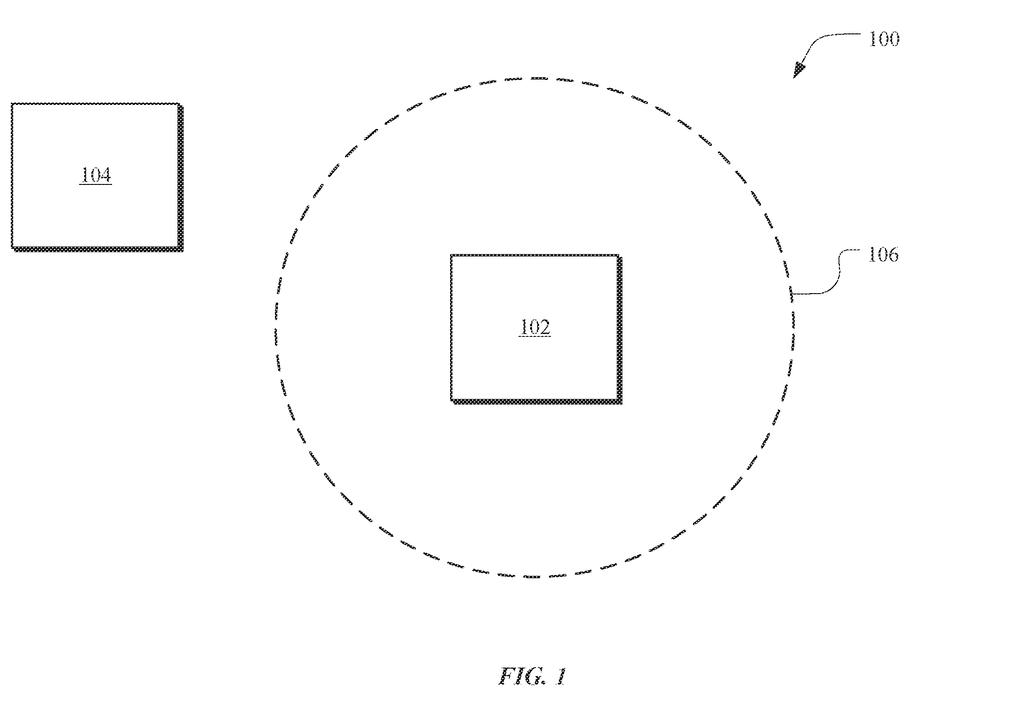
What Apple's approaching-user speaker does
Every time you walk up to a speaker that's playing music, you reach for the volume or the pause button. Apple has filed a patent for a device that handles that part for you.
Sensors on the device notice you coming. The music drops to a lower volume, and if the device has a motorized screen, the screen turns to face you, ready to be touched. When you step away or stop interacting, the music goes back to its original level.
There's a power angle too. A battery has only so much energy to spend, so the device can take some away from the speakers and hand it to the motors that move the screen. If the device is plugged in or the battery is healthy, it may not need to bother.
An electronic device comprising: a presentation system associated with the electronic device, the presentation system configured to generate an output according to one or more first operation parameters and to present the output to an environment in which the electronic device is located …
Translation: The device features a built-in display or sound system that puts out media for people nearby to experience.
How Apple shifts power from speakers to motors
The filing describes a device with a presentation system (the parts that put out sound, light or movement, such as speakers and a touchscreen) and a set of sensors. The device runs its output using operation parameters, which are just settings such as volume. When a sensor picks up an event trigger, like a person walking up, the device swaps to a second set of settings.
In the main example, the trigger is a person approaching. The volume drops, and motors (called actuators) tilt the touchscreen toward the person's face or hand. The filing says the screen can follow the estimated path of a hand, and can use stored preferences if the device recognizes who is approaching, for example by face, voice or a nearby phone or wearable. The motors can be back-drivable (they give way if pushed), so the device can actively hold the screen in place while you tap it.
Power is the thread that ties it together:
- Each task gets its own power budget, a slice of the battery's energy.
- When someone approaches, the speakers' budget shrinks and the motors' budget grows.
- That swap can depend on whether the battery is below a set level or the device is plugged in.
- When the person stops interacting, the volume and the budgets go back.
An event trigger is detected using sensor data captured using one or more sensors. A second operation power budget may be determined based on the event trigger. The output is changed by updating the one or more first operation parameters to one or more second operation parameters in response to the event trigger.
Translation: Sensors notice a change in the room and automatically adjust how much power the device uses for its sights and sounds.
Why a screen that turns to meet you matters
If you've ever had a speaker blast music while you try to use its screen, you can see the appeal. The patent describes a device that senses you coming and adjusts, so the sound drops out of the way and the screen is ready for your hand. It also tries to do that without wasting battery.
The filing doesn't name a product. It describes a battery-powered device with speakers, a touchscreen and motors, and lists robots, home systems and entertainment devices as possible examples. The practical idea is that power is a budget the device can move around in real time, spending it on whatever matters most at that moment.
Apple's 47th filing in the Display patents we've tracked since May adds to a run that includes a folding screen frame and a dual-read camera sensor.
Claim 1 is remarkably wide. It covers an electronic device that produces some output, has sensors that notice some trigger, and changes the output when that happens. Volume, speakers, people and batteries never appear in it.
Those details show up in the dependent claims: a lower volume when a person approaches (claims 3 and 4), a touchscreen that turns toward them (claim 9), and power moved from the speakers to the motors (claim 6). The power swap is the most specific idea in the filing, and it deserves the attention.
On its face, claim 1 as written would reach any gadget that changes what it plays, shows or does after a sensor notices something. That is a very large circle, and the narrower claims beneath it are where the real invention sits. Whether a claim that open survives review is an open question.
Get our take in your Top Stories
Liked this breakdown? Add Patentlyze as a preferred source on Google, and our plain-English take shows up more often in your Top Stories the next time Apple patent news breaks.
There are more where this came from
We read every patent application Big Tech publishes and send you the ones worth knowing. Plain English, free, every week.
The drawings
5 drawing sheets from US 2026/0349650 A1 · click any drawing to enlarge


Want this weekly breakdown for a company we don't cover? Patentlyze Pro →
Be the first to weigh in