
Apple Patents a Noise-Reducing Touch Screen Layout for Crisper Input Detection
Touch screens are constantly fighting electrical interference from their own components. Apple's latest patent describes a reworked electrode layout that physically cancels out that noise before it ever reaches the processor.
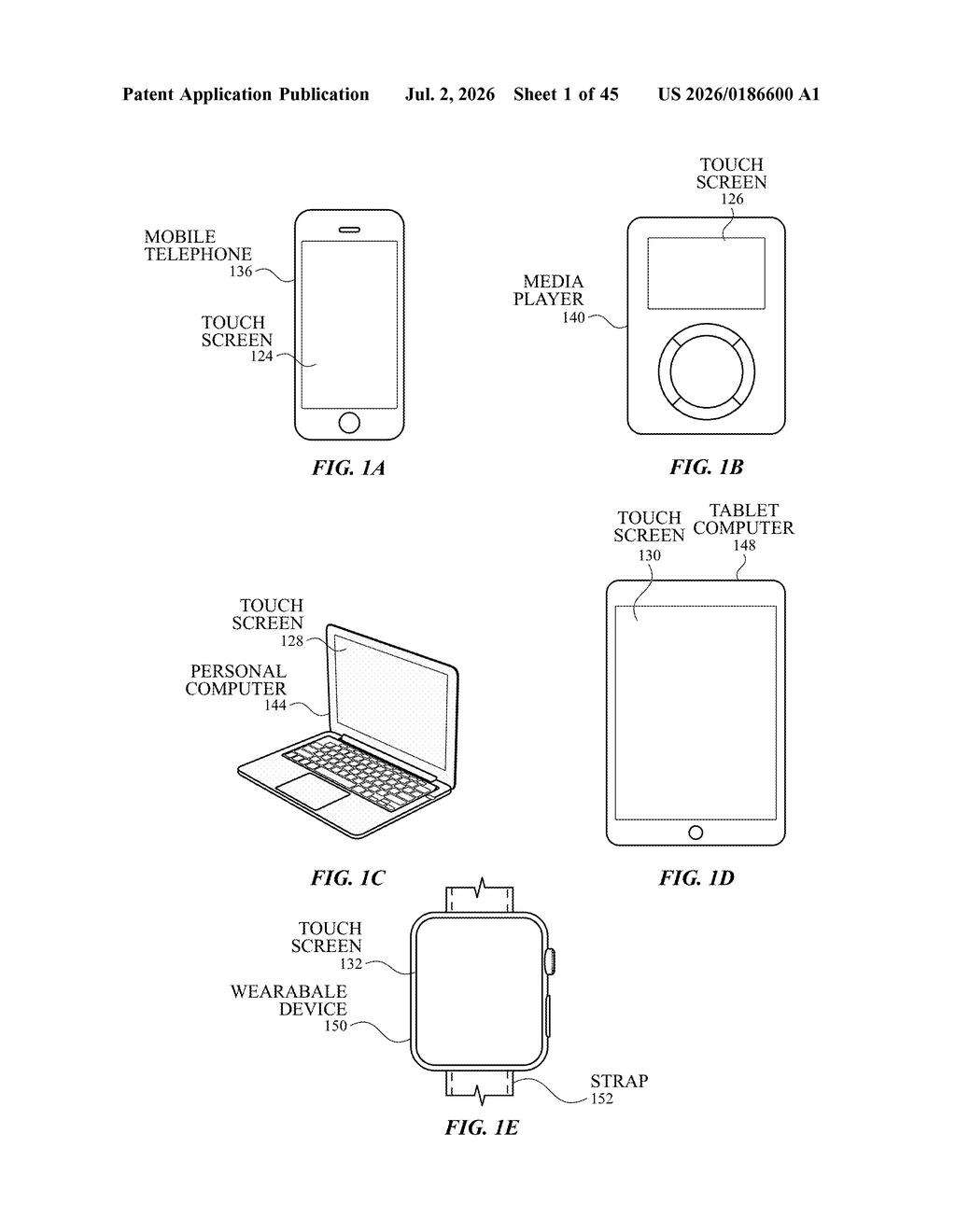
What Apple's differential touch screen design actually does
Imagine your touchscreen is trying to hear a whisper in a noisy room. Every time the display refreshes or a charger is plugged in, electrical interference makes it harder for the screen to accurately detect exactly where your finger is. That noise can cause missed taps, drifting cursors, or imprecise drawing strokes.
Apple's patent describes a way to lay out the tiny electrodes inside a touch screen so that the electrical noise they pick up cancels itself out. The trick is to interleave the sensing elements from two neighboring screen regions, weaving them together in a deliberate pattern. When both electrodes pick up the same background noise, the system subtracts one signal from the other and the interference disappears, leaving only the real touch data.
The filing also covers optical improvements: making the metal mesh wiring inside the display look visually uniform so you don't see a grid through the glass, and using transparent conductive materials to fill in gaps without blocking light.
How the interleaved electrode layout cancels electrical noise
The patent describes a differential drive-and-sense architecture for touch screens, meaning the panel drives pairs of electrodes with opposite electrical signals and then compares those signals to extract touch data while discarding shared noise (a technique borrowed from audio engineering, where it's called balanced signal transmission).
The core structural invention involves interleaved touch electrodes inside each touch node. Rather than keeping two neighboring electrode groups separate, their individual segments are woven together in the same layer. The routing traces (the thin wires that carry signals to and from each electrode group) are tucked between the segments of the adjacent group, so each group's wiring physically sits inside the other's electrode pattern.
This matters because it forces both electrodes in a pair to experience nearly identical electromagnetic interference from the environment. When the sensing circuit subtracts one signal from the other, the shared noise cancels out precisely.
The patent also addresses how to keep the display looking good:
- Metal mesh conductors in overlapping layers are sized to appear visually uniform so no grid pattern is visible to the eye
- A thicker or lower-dielectric-constant insulating layer between metal layers reduces unwanted electrical coupling
- Touch electrodes can be filled with a transparent conductive material to improve optical uniformity, while routing traces are left unfilled to avoid adding parasitic capacitance to signal-carrying wires
What this means for future Apple display accuracy
Touch accuracy is one of those things users only notice when it goes wrong, and electrical noise is a major reason it does go wrong, especially during charging or near other wireless hardware. A design that structurally eliminates noise at the electrode level rather than relying purely on software correction could improve responsiveness and precision across iPhones, iPads, and MacBook trackpads without requiring extra processing power.
The optical engineering details are equally telling. Apple is trying to solve the noise problem without making the display look worse, which is a real constraint when metal mesh wiring is involved. Getting both right in the same electrode layer suggests this architecture is aimed at thin, high-resolution panels where every micron of the stack counts.
This is a solid, specific patent covering real engineering tradeoffs in touch screen design. It won't generate headlines outside of display-engineering circles, but differential sensing is a well-proven technique for noise rejection and Apple applying it at the electrode-layout level rather than just the signal-processing level is a meaningful structural choice. Worth tracking if you follow Apple's display supply chain.
Get our take in your Top Stories
Liked this breakdown? Add Patentlyze as a preferred source on Google, and our plain-English take shows up more often in your Top Stories the next time Apple patent news breaks.
There are more where this came from
We read every patent application Big Tech publishes and send you the ones worth knowing. Plain English, free, every week.
Want this weekly breakdown for a company we don't cover? Patentlyze Pro →