
Samsung Patents a Tool That Fixes Off-Color Animation Frames Using Nearby Ones
Animators and video editors sometimes end up with individual frames that look color-wrong compared to the rest of a clip. Samsung's new patent describes a system that automatically scouts nearby frames for the right color data and applies it to fix the problem.
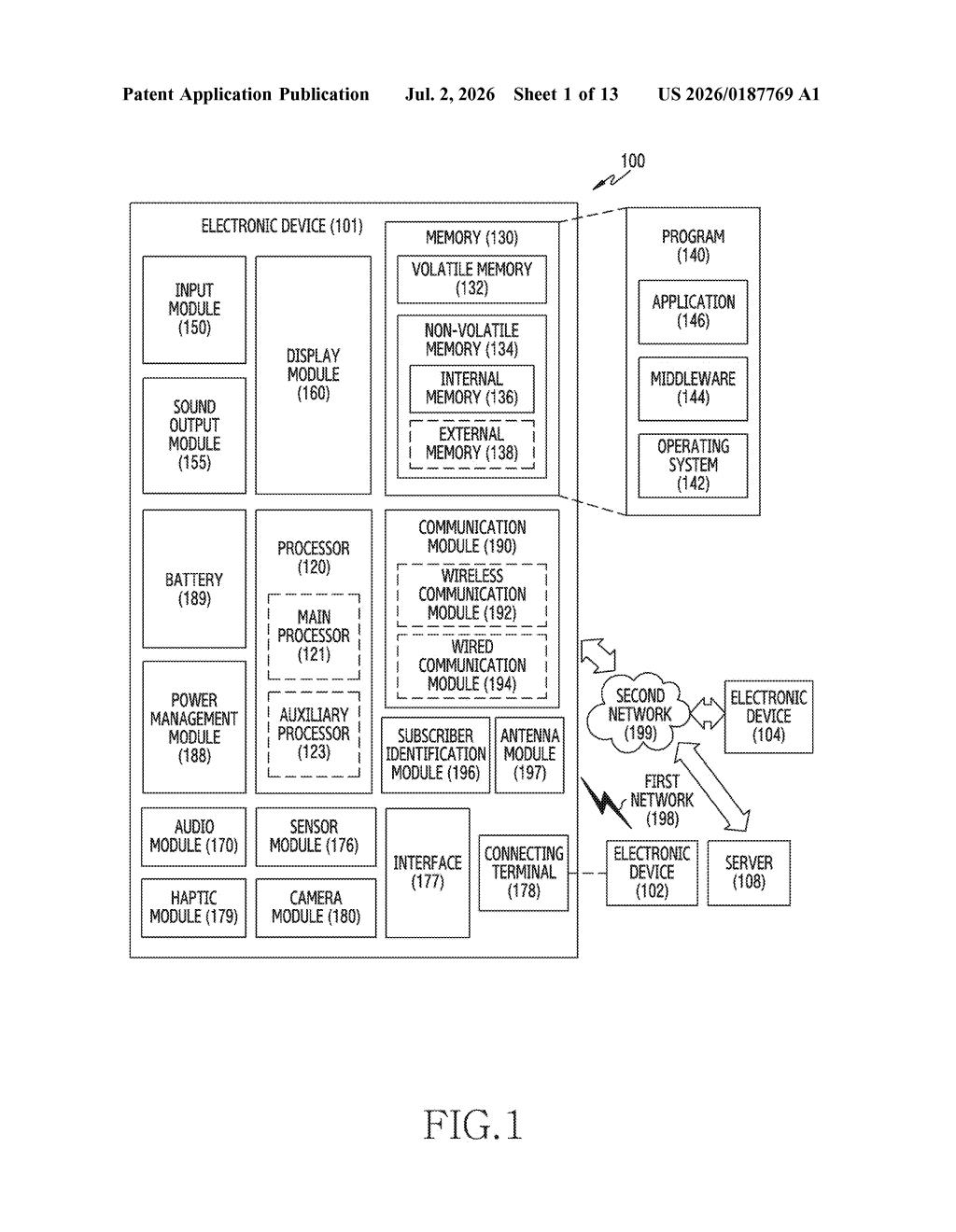
What Samsung's frame color-recovery system actually does
Imagine you're watching an animated film and one frame looks slightly faded, too bright, or just an odd color compared to the frames around it. It's subtle, but once you see it, you can't unsee it.
Samsung's patent describes a tool that lets you select that problematic frame in a user interface. The system then studies the objects in that frame, finds other nearby frames from the same clip where those objects look correct, and builds a kind of color-correction blueprint called a recovery map. It applies that blueprint to fix the colors in your chosen frame.
The idea is that instead of a human editor manually tweaking sliders to match colors, the software figures out what the frame should look like by looking at the evidence already sitting in the surrounding footage.
How the recovery map rebuilds a frame's color
The patent covers an electronic device (likely a TV, monitor, or editing workstation) with a display, memory, and at least one processor working together to restore color accuracy in individual animation frames.
Here's the step-by-step process the system follows:
- Frame selection: A user picks a specific frame from a video or animation through an on-screen interface.
- Characteristic extraction: The processor analyzes the objects inside that frame and collects characteristic information, essentially a fingerprint of the object's appearance, including color properties.
- Candidate frame identification: Based on that fingerprint, the system searches the rest of the clip and identifies candidate frames where the same object appears under better or more representative color conditions.
- Recovery map generation: Using both the original frame's fingerprint and the candidate frames, the system builds a recovery map (a per-pixel or per-region set of color adjustment instructions).
- Frame correction: The map is applied to the selected frame to produce a corrected output frame with restored color.
The patent is filed under HDR (High Dynamic Range) image content, which means it's specifically targeting the expanded color and brightness ranges that HDR displays handle, where color errors are more visible.
What this means for HDR video and animation editing
HDR content is more demanding than standard video because the wider range of colors and brightness levels makes any inconsistency between frames more obvious to the viewer. A tool that can automatically pull color-reference data from surrounding frames and apply it to a broken one could save significant manual correction work in animation and video post-production pipelines.
For everyday consumers, this technology could surface as an automatic cleanup feature inside a Samsung TV or display correcting problematic frames before they ever reach your eyes. For creative professionals, it hints at a more automated approach to frame-by-frame HDR color work, which today still requires a lot of hands-on time.
This is a practical, specific patent addressing a real problem in HDR animation playback and editing. It's not trying to reinvent color science, it's solving the narrow but annoying issue of individual frames that look wrong relative to their neighbors. Whether it shows up as a post-production tool or a behind-the-scenes TV processing feature, the underlying logic is sound and the use case is genuine.
Get our take in your Top Stories
Liked this breakdown? Add Patentlyze as a preferred source on Google, and our plain-English take shows up more often in your Top Stories the next time Samsung patent news breaks.
There are more where this came from
We read every patent application Big Tech publishes and send you the ones worth knowing. Plain English, free, every week.
Want this weekly breakdown for a company we don't cover? Patentlyze Pro →